

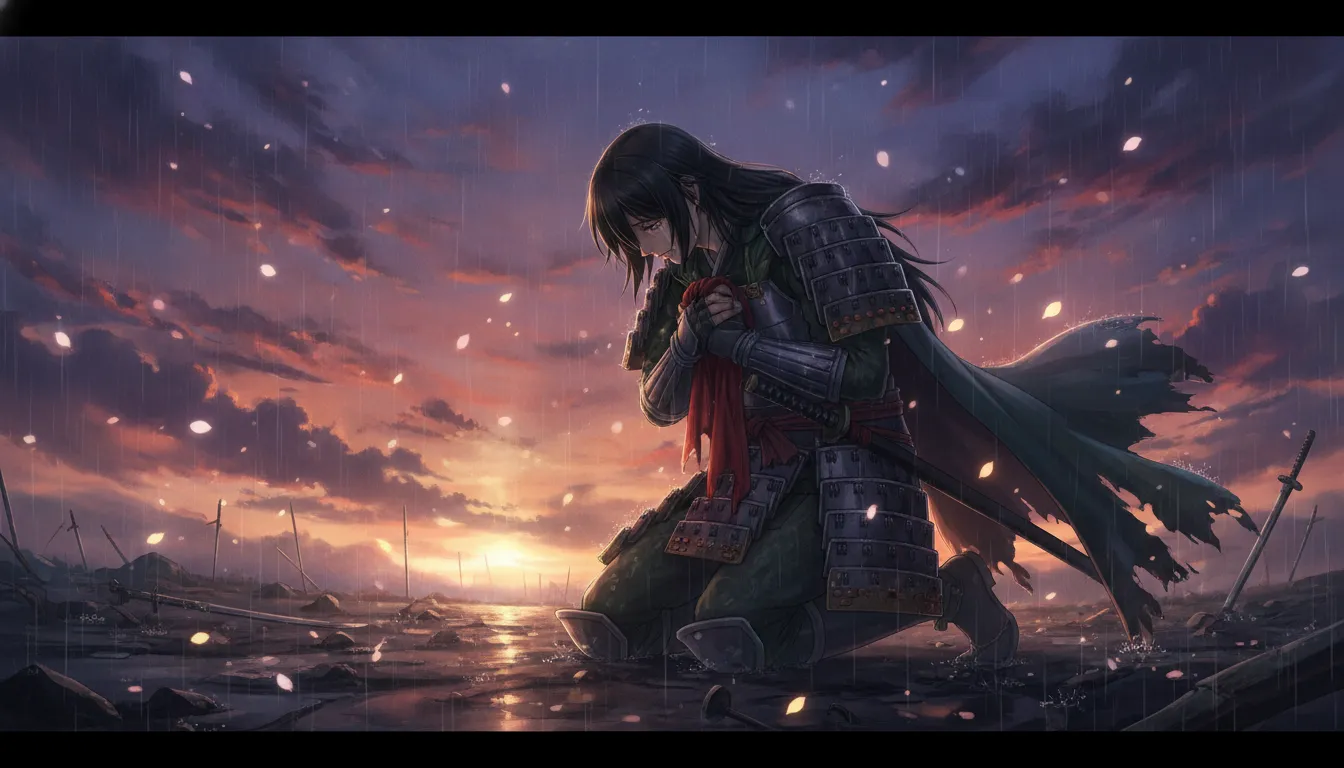
There are certain moments in anime that leave a permanent mark — not just on the story, but on the fans who watched it unfold. You remember exactly where you were, who you were with, and the precise second your heart shattered into pieces. Maybe you sat in stunned silence. Maybe you ugly-cried into a pillow at 2 a.m. and told no one. Either way, you were never quite the same afterward.
Anime has a unique ability to make viewers emotionally invest in characters at a level that few other mediums can match. Hundreds of episodes, years of fandom, fan art, theories, cosplay — and then, in a single scene, it’s all ripped away. What makes these deaths so devastating isn’t just the shock factor. It’s the storytelling craft behind them: the foreshadowing, the music, the voice acting, and the weight of everything that character meant to the story and to us.
This list isn’t just a ranking of sad scenes — it’s a tribute to the characters who broke us, the writers who dared to go there, and the fandoms that are still, honestly, not okay. Whether you’re a seasoned anime veteran or just starting to explore the medium, consider this your emotional warning label. Spoilers ahead. Have tissues ready.
Maes Hughes — Fullmetal Alchemist: Brotherhood (2009)
The Death That Defined a Generation of Anime Fans
If there is one death that converted casual anime viewers into emotionally devastated superfans, it’s Maes Hughes. A cheerful, loving father and soldier who never missed a chance to show off his daughter Elicia’s photos, Hughes was the heart of Fullmetal Alchemist: Brotherhood. He was funny, warm, and deeply loyal — which, in anime, is practically a death sentence.
When Hughes is killed by the shape-shifting homunculus Envy — who takes the form of his own wife to catch him off guard — the cruelty of it is almost unbearable. But the scene that truly destroys viewers comes at his funeral, when his young daughter Elicia cries out asking why they’re burying her daddy. She doesn’t understand. She just wants him to come home. It’s one of the most emotionally precise moments in anime history, and it hits like a truck every single time.
Hughes’ death also serves a critical narrative purpose: it signals to the audience that this story is serious, that no one is safe, and that the enemies in this world are genuinely terrifying. He died for the truth, and the fandom has never forgiven Envy.
Jiraiya — Naruto: Shippuden (2007)
Losing the Frog Sage Felt Personal
Jiraiya — known as the “Toad Sage” or “Pervy Sage” — was one of the most beloved characters in the entire Naruto franchise. Mentor, godfather, legendary ninja, and the man who shaped Naruto Uzumaki into the hero he became. When Jiraiya traveled to the Hidden Rain Village to investigate the mysterious Pain, fans knew the stakes were high. Few expected what came next.
His battle against the Six Paths of Pain is epic, heartbreaking, and ultimately fatal. As he sinks beneath the water, Jiraiya reflects on his life and decides that his story wasn’t a failure after all — because he raised Naruto. He passes with a smile, dedicating his final moments to writing a coded message for his village.
The episode aired in 2009 in Japan, and the fandom grief was immediate and global. What made it worse was that Naruto doesn’t find out until later — and watching him process the loss of his godfather-figure is a separate gut punch entirely. Jiraiya’s death remains one of the most discussed and mourned in anime history.
L — Death Note (2006)
The Internet Went Silent When L Died
Death Note is built around the cat-and-mouse game between the genius detective L and the self-appointed god of justice Light Yagami. For much of the series, L is the one person standing between Light and complete domination — brilliant, eccentric, and utterly compelling. Then, in episode 25, Light engineers L’s death using the Death Note and the Shinigami Rem.
L’s death is quiet. He doesn’t go out fighting. He simply collapses, and in his final moments, Light catches him — looking almost tender, almost regretful. It’s one of anime’s most chilling death scenes because the villain wins, and the show lets you sit in that discomfort. Many fans stopped watching entirely after L died, feeling the series had lost its soul. The discourse around this death continues to this day on forums and social media.
Portgas D. Ace — One Piece (2010)
The Death That Stopped the World
One Piece fans had known Portgas D. Ace — adopted brother of protagonist Monkey D. Luffy — for years by the time the Marineford War arc reached its climax. Luffy had fought across continents to rescue Ace from execution. He had pushed himself to the absolute limit. And when it seemed like they might actually make it…
Ace steps in front of an attack meant for Luffy. He dies in his brother’s arms, telling him he was glad to have been born. Luffy, who had thrown everything into saving him, completely breaks down. The scene is rendered in exquisite, excruciating detail by Toei Animation, and the voice performances — both in Japanese and English — are extraordinary.
Ace’s death broke records for emotional impact in the fandom and sparked a wave of fan tribute art and videos that flooded the internet for months. Even now, in 2026, new viewers discovering One Piece for the first time report being completely blindsided by this moment.
Key Reasons These Deaths Hit Differently
What separates a truly devastating anime death from a merely sad one? Here are some of the factors that make these moments so unforgettable:
- Years of investment — Many of these characters appear across hundreds of episodes, making the loss feel genuinely personal
- The music — Composers like Yoko Kanno and Yasuharu Takanashi know exactly how to make a bad moment unbearable
- Voice acting — Japanese and English dub actors pour everything into these scenes, often visibly affected themselves
- Narrative purpose — The best deaths change the story permanently, not just the mood
- Unresolved potential — Characters like Hughes or Jiraiya had so much more story to give, and that incompleteness haunts fans
- The protagonist’s grief — Watching a hero fall apart teaches the audience how to feel the loss
Honorable Mentions Worth Your Tears
More Deaths That Left Fandoms in Ruins
The list could go on for pages. A few more that deserve recognition:
- Kamina (Tengen Toppa Gurren Lagann, 2007) — The king of hot-blooded motivation, gone shockingly early, leaving his comrades — and viewers — to carry on without him
- Nina Tucker (Fullmetal Alchemist: Brotherhood) — Not a death in the traditional sense, but her fate at the hands of her own father is arguably the most disturbing moment in the series
- Itachi Uchiha (Naruto: Shippuden, 2008) — A death that completely recontextualized everything viewers thought they knew about him
- Menma (AnoHana: The Flower We Saw That Day, 2011) — A ghost who just wanted her friends to be okay, in a finale that’s basically a masterclass in how to destroy an audience
- Isla (Plastic Memories, 2015) — A bittersweet ending to a love story with a countdown built into its premise
If you’re looking for more recommendations on what to watch right now, check out Spring 2026 Anime: The Shows You Can’t Skip This Season for the latest must-see titles.
Why We Keep Coming Back Anyway
Grief Is Part of the Experience
Here’s the strange paradox of loving anime: these deaths hurt so much, and yet we keep watching. We recommend these shows to our friends. We rewatch the exact scenes that broke us. We make playlists of sad AMVs and sit in our feelings on purpose. Why?
Because great storytelling — the kind that makes you genuinely mourn a fictional character — is rare and valuable. It means the creators did their job so well that the line between fiction and emotion blurred completely. It means you cared. And caring, even when it hurts, is what separates an audience from a fandom.
The writers and animators behind these moments understood something important: the willingness to put beloved characters through loss, or to end them entirely, is what gives the surviving characters — and the surviving fans — something real to fight for. You can also find this kind of layered storytelling in other visual mediums. For a fascinating look at how animators hide meaning in plain sight, Hidden Details in Animated Movies Only True Fans Catch is well worth a read.
Still Not Okay, and That’s the Point
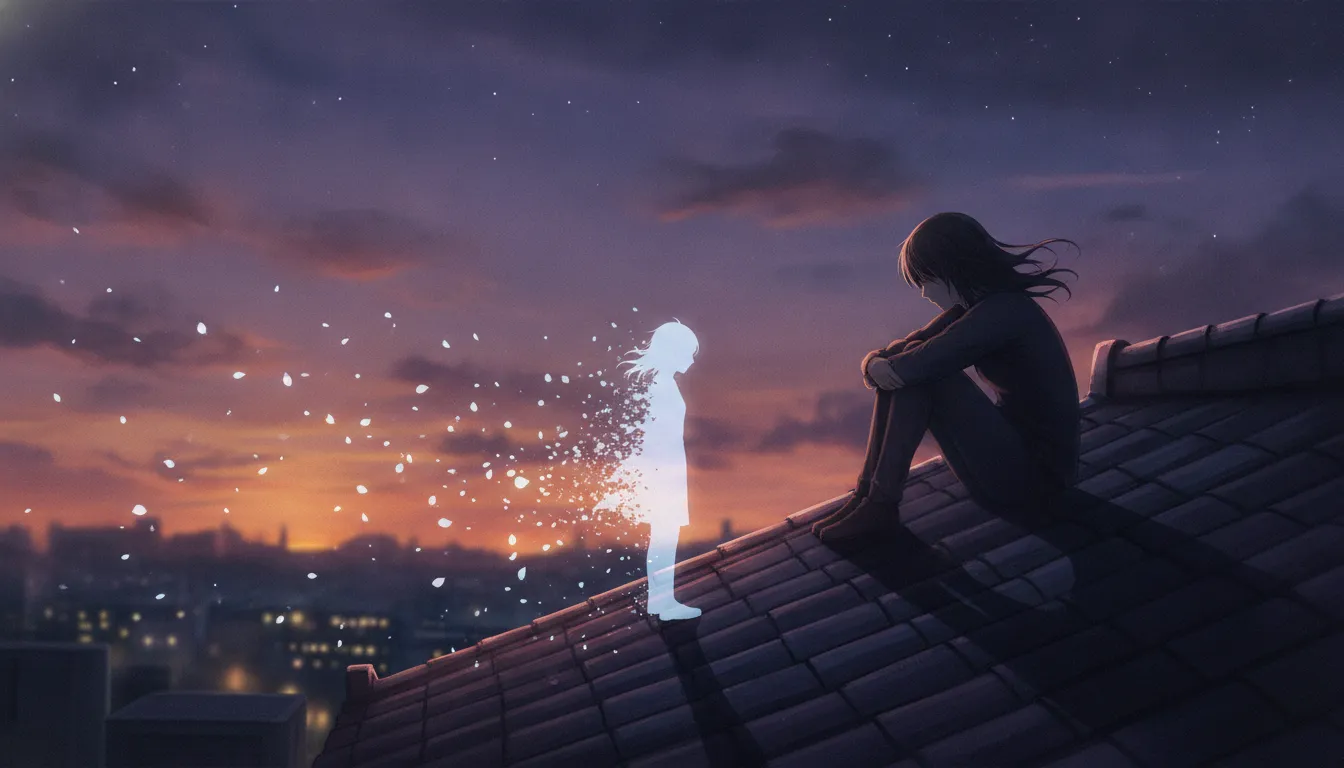
Anime deaths are brutal precisely because they’re earned. By the time the moment arrives, you’ve laughed with these characters, rooted for them, and believed in their futures. The grief is proportional to the love, and the love was always the whole point.
So if you’re sitting here in 2026 still mad about Jiraiya, still tearing up when you hear the FMA soundtrack, or still unable to rewatch Marineford without emotional preparation — that’s not weakness. That’s what it looks like when storytelling works exactly as intended. Honor the characters who broke you. They earned it.
