

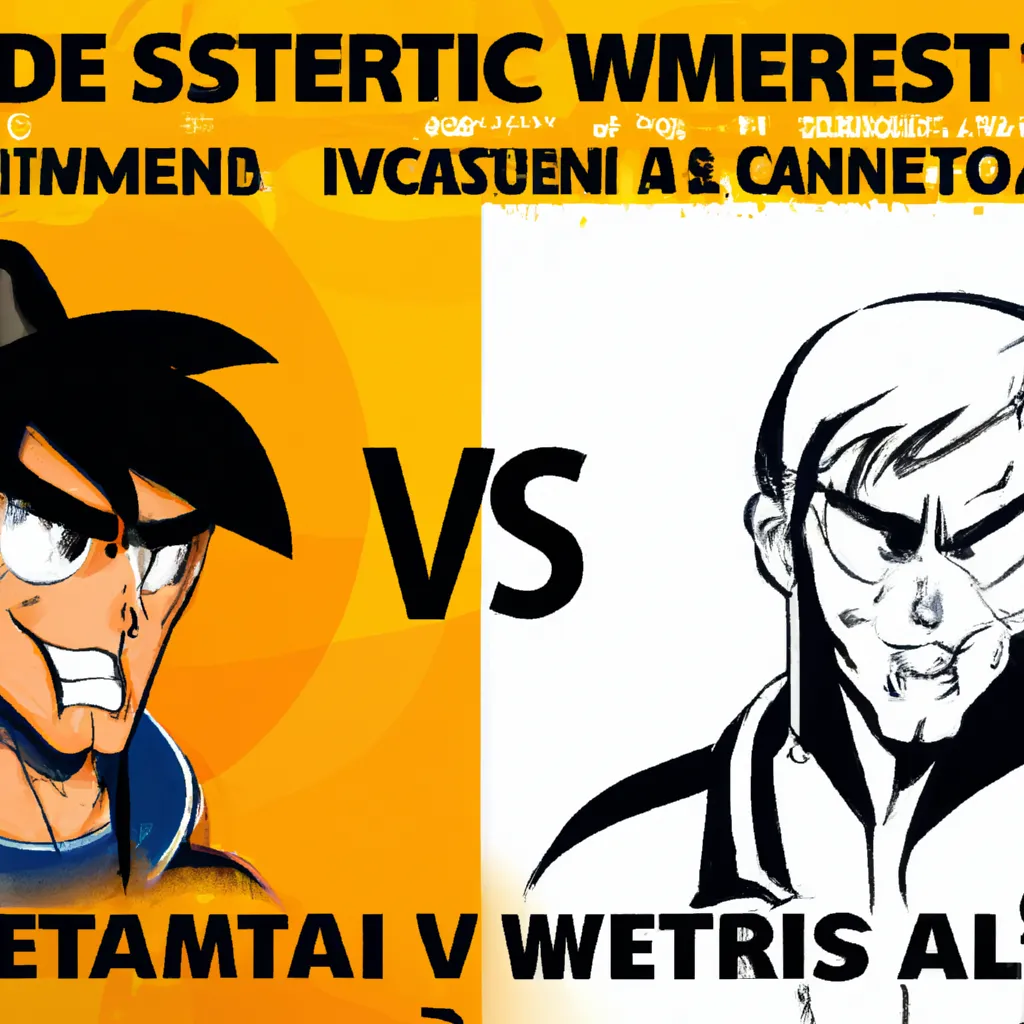
Western Animation vs Anime: Exploring the Battle of Styles
Animation is a powerful medium that has captivated audiences around the world for decades. From the whimsical worlds of Disney to the fantastical realms of Studio Ghibli, there is no shortage of animated content to enjoy. However, when it comes to comparing Western animation with Japanese anime, there are distinct differences in style, storytelling, and cultural influences that set them apart. In this article, we will explore the battle of styles between Western animation and anime, delving into what makes each unique and why they both hold a special place in the hearts of fans worldwide.
The Origins of Western Animation
Western animation has a rich history that dates back to the early 20th century. It has its roots in traditional hand-drawn animation techniques, with pioneers like Walt Disney paving the way for the industry. Western animation is known for its colorful and vibrant art style, often featuring anthropomorphic characters and light-hearted humor. Classic Western animated films like “Snow White and the Seven Dwarfs” and “The Lion King” have become timeless classics that continue to be beloved by audiences of all ages.
One of the key characteristics of Western animation is its focus on storytelling and character development. Many Western animated series and films follow a linear narrative structure, with well-defined protagonists and antagonists. Themes of friendship, love, and overcoming obstacles are common in Western animation, making it a popular choice for family-friendly entertainment.
The Rise of Anime
On the other side of the world, anime has its origins in Japan and has grown into a global phenomenon. Anime, short for animation, encompasses a wide range of genres and styles that cater to diverse audiences. From action-packed shonen series like “Naruto” to heartwarming slice-of-life shows like “My Neighbor Totoro,” anime offers something for everyone.
One of the defining features of anime is its distinctive art style, characterized by large, expressive eyes, detailed backgrounds, and exaggerated facial expressions. Anime often explores complex themes and emotions, delving into topics like identity, morality, and the human experience. Unlike Western animation, anime is not restricted to one genre or target audience, allowing for a more diverse range of storytelling possibilities.
Style Showdown: Western Animation vs Anime
When it comes to comparing Western animation with anime, there are several key differences that set them apart. One of the most noticeable distinctions is the art style. Western animation tends to have a more simplified and exaggerated aesthetic, with bold lines and bright colors. Characters in Western animation often have a cartoonish appearance, with exaggerated features and physical proportions.
On the other hand, anime is known for its detailed and intricate art style, with a strong emphasis on realism and expression. Characters in anime are often depicted with a wide range of emotions, conveyed through subtle facial expressions and body language. Backgrounds in anime are also meticulously crafted, adding depth and atmosphere to the story.
Another major difference between Western animation and anime is the storytelling approach. Western animation typically follows a more linear narrative structure, with clear-cut heroes and villains. Themes of good versus evil and the triumph of the underdog are common in Western animated series and films.
On the other hand, anime often blurs the lines between good and evil, exploring themes of moral ambiguity and complex character motivations. Anime series like “Death Note” and “Attack on Titan” challenge traditional notions of heroism and villainy, presenting characters with conflicting desires and motivations.
Cultural Influences and Impact
Both Western animation and anime are heavily influenced by their respective cultures, which is reflected in their storytelling, art styles, and themes. Western animation often draws inspiration from Western folklore, fairy tales, and pop culture, creating a sense of familiarity and nostalgia for audiences.
On the other hand, anime is deeply rooted in Japanese culture, incorporating elements of mythology, history, and social issues into its storytelling. Anime often explores themes of honor, duty, and tradition, reflecting the values and beliefs of Japanese society.
Despite their cultural differences, both Western animation and anime have had a significant impact on popular culture and entertainment worldwide. Western animated films like “Frozen” and “Toy Story” have become box office hits, appealing to audiences of all ages. Similarly, anime series like “Dragon Ball Z” and “One Piece” have garnered a dedicated fan base, spawning merchandise, conventions, and spin-off media.
The Future of Animation
As technology continues to evolve, the lines between Western animation and anime are becoming increasingly blurred. With the rise of digital animation techniques and streaming platforms, creators have more opportunities than ever to experiment with different styles and genres. The future of animation is bright, with endless possibilities for innovation and creativity.
Whether you prefer the whimsical charm of Western animation or the intricate storytelling of anime, there is no denying the impact that both styles have had on the world of animation. From beloved classics to groundbreaking new series, Western animation and anime continue to captivate audiences and inspire future generations of animators and storytellers.
Conclusion
In conclusion, the battle of styles between Western animation and anime is a fascinating exploration of the diversity and creativity of the animation medium. While Western animation is known for its colorful art style and heartwarming stories, anime pushes the boundaries of storytelling and emotion, creating complex and thought-provoking narratives.
Whether you are a fan of Western animation, anime, or both, there is something to appreciate in each style. Both Western animation and anime have their own unique strengths and weaknesses, making them equally valuable and important in the world of animation.
As audiences continue to demand fresh and innovative content, it is clear that both Western animation and anime will continue to evolve and thrive in the years to come, shaping the future of animation for generations to come.
