


Spring 2026 is here, and if you’ve been keeping up with the anime calendar, you already know this season is stacking up to be one of the most talked-about in recent memory. Whether you’re a seasoned fan who’s been watching since the early Shōnen Jump days or a newcomer who just finished their first Demon Slayer arc and is hungry for more, the April–June window is delivering a lineup that covers every genre, every mood, and every level of emotional damage you’re willing to put yourself through. Grab your watch list app of choice — you’re going to need it.
The spring season has historically been one of anime’s strongest windows, often debuting marquee titles that dominate conversation well into summer. This year continues that tradition, with highly anticipated adaptations of beloved manga, returning heavyweights from prior cours (a “cour” simply means a roughly 13-episode broadcast block, usually running one season), and a handful of dark-horse originals that are already generating serious buzz on social media. Think of this article as your essential guide — the fan-written, no-fluff breakdown of what’s actually worth your weekly Tuesday and Sunday night ritual.
Why Spring 2026 Feels Different From Recent Seasons
Let’s be honest: the past couple of years have had some genuinely great anime, but the spring windows occasionally felt diluted — too many mid-tier isekai (that’s the genre where a character gets transported to another world, usually with cheat-level powers) and not enough genuinely original storytelling. Spring 2026 feels like a course correction. Studios are swinging big, adaptations are landing on source material that fans have been begging to see animated for years, and the production values on display in early trailers have been stunning. Social media engagement for this season’s preview trailers broke records on several anime-focused platforms, signaling that the audience’s appetite is at a peak.
The Big Returns: Continuing Series You Should Be Watching
Before diving into new premieres, it’s worth acknowledging the continuing series that are carrying major narrative weight this spring.
Dandadan remains one of the most energetic and visually inventive shows on air. Science SARU’s adaptation of Yukinobu Tatsu’s manga has been praised for its frenetic animation style and the wildly charming dynamic between its leads, Momo Ayase and Ken Okarun — a girl who believes in ghosts but not aliens, and a boy with the exact opposite view. If you haven’t started it yet, now is an excellent time to catch up before the spring cour picks up more steam.
Meanwhile, fans of high-stakes supernatural action should be keeping a close eye on continuing arcs from several long-runners. The anime industry’s ongoing trend of splitting major story arcs across seasons means spring 2026 is delivering payoff on setups from late 2025 — and for those who’ve been patient, the emotional rewards are significant.
Highly Anticipated New Adaptations Premiering This Spring
This is the heart of why spring 2026 has fans buzzing. New adaptations are the lifeblood of each season, and this year’s crop is particularly rich.
Among the most discussed is the adaptation of Ao no Hako (Blue Box), Kouji Miura’s sports-meets-romance manga that ran in Weekly Shōnen Jump and built an enormous, devoted readership. The story follows Taiki Inomaki, a badminton player who ends up living with Chinatsu Kano, the basketball star he has a crush on. It’s a tender, character-driven series that balances athletic ambition with genuine emotional intimacy — a refreshing change of pace from more combat-heavy shōnen fare.
Fantasy and action fans are equally well-served this season. The spring lineup is rounding out with a mix of dark fantasy, romantic comedy, and slice-of-life titles that ensure no viewer goes home empty-handed.
The Dark Horses: Originals and Under-the-Radar Titles
Every season has them — the shows that don’t arrive with a built-in manga fanbase but end up being the ones people are still talking about in December. Spring 2026 has several strong contenders for that crown.
Original anime projects are always a gamble, but when a talented director or studio stakes out bold creative territory without the safety net of pre-existing source material, the results can be genuinely unforgettable. Think of how Puella Magi Madoka Magica or Tengen Toppa Gurren Lagann redefined their respective genres almost entirely through the strength of original vision. That potential for surprise is what keeps original anime special.
For newcomers wondering what to prioritize when the episode count feels overwhelming, here’s a quick cheat sheet of things to look for in a quality new show:
- Strong directorial identity — does each episode feel intentionally crafted?
- Consistent animation quality — early episodes often set the ceiling
- Character writing — are you invested within the first two episodes?
- Soundtrack design — underrated, but a great score makes a good show great
- Pacing — does the story respect your time, or does it stall?
Genre Spotlight: Shōnen, Isekai, and Romance This Season
Spring 2026 is a genuinely well-balanced season across genres, which is worth celebrating out loud.
Shōnen action (action-focused manga typically aimed at young male readers, though the audience is far broader in practice) is well represented with several titles featuring intense combat, power systems that fans will spend hours debating online, and protagonists whose determination makes you want to run through a wall. If you’re the kind of viewer who loves a good power-scaling debate, this season gives you plenty to work with — and if you’re curious how anime’s greatest fighters stack up historically, check out this breakdown of the strongest swordsmen in anime for some excellent context.
Isekai is, as always, a crowded field — but spring 2026 shows signs of the genre maturing. Several this-season entries are subverting the standard template: protagonists with meaningful weaknesses, worlds with genuine internal logic, and emotional stakes that go beyond accumulating power. If you’ve ever wondered why overpowered main characters remain so compulsively watchable even when the outcome seems inevitable, this piece on overpowered anime MCs captures exactly why the fantasy hits so hard psychologically.
Romance and slice-of-life titles are also punching above their weight this season. After years of “will they, won’t they” structures that dragged across dozens of episodes, newer series are actually letting their characters be in relationships and exploring what comes after the confession — a radical concept that fans have been demanding for years.
What the Production Side Tells Us About Quality
It’s easy to focus purely on story when talking anime, but production context matters enormously. Which studio is making a show often signals a great deal about its likely visual style and quality ceiling.
A few quick facts about how spring 2026’s lineup is shaping up on the production side:
- Multiple spring titles are being handled by studios with strong track records for fluid action animation
- Several shows are using a hybrid of traditional hand-drawn animation and digital compositing for a layered visual depth
- The trend of talented young directors being handed significant projects continues, injecting fresh creative voices into high-profile slots
- Composer choices for several spring titles have generated significant pre-air excitement among OST (original soundtrack) enthusiasts
- Simulcast availability on major international streaming platforms is broader than ever, meaning global fans are watching in real time alongside Japanese audiences
This last point genuinely matters for community building. When everyone is watching simultaneously, the discourse, fan art, theory-crafting, and meme generation all happen together — and that shared experience is a big part of what makes anime fandom feel alive.
How to Build Your Spring 2026 Watch List Without Losing Your Mind
With potentially dozens of new episodes dropping each week, decision fatigue is real. Here’s a practical approach:
Commit to three to five shows max if you’re watching weekly. Any more and keeping emotional investment in each story becomes genuinely difficult. Prioritize the one or two titles you’ve been waiting for specifically, then leave one slot for a wild-card pick — something outside your usual comfort zone.
Give every show three episodes. The anime community’s long-held “three-episode rule” exists for a reason: pilots often front-load setup and world-building at the expense of hook. A series that feels slow at episode one might click into gear magnificently by episode three.
Don’t neglect your backlog guilt-free. Spring premieres are exciting, but if you’ve been sitting on a classic you’ve never seen, there’s no law that says you must watch everything new. The shows that matter will still matter in six months.
The Verdict on Spring 2026
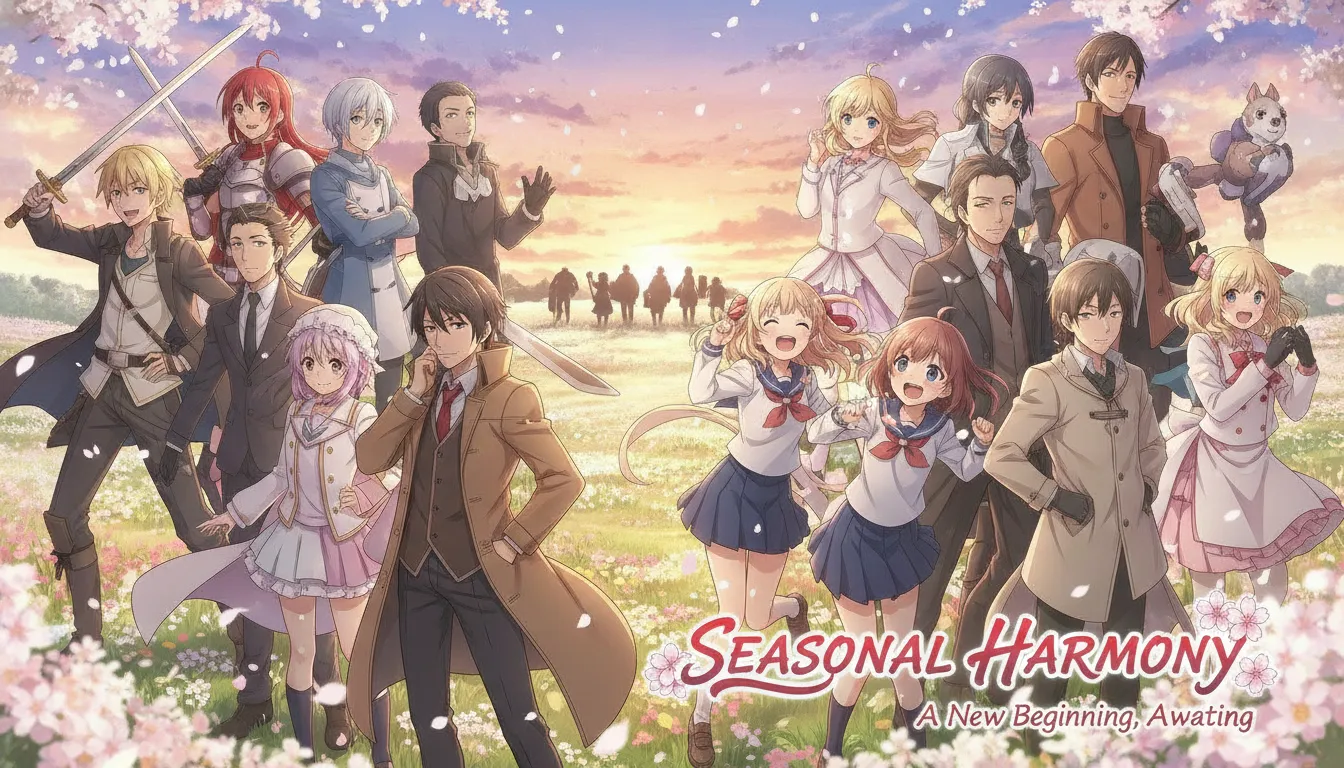
Spring 2026 is shaping up to be the kind of season that reminds you why you got into anime in the first place — the creative ambition, the emotional range, the sheer variety of stories being told through animation. From tender romances to skull-cracking action, from returning favorites delivering on their promises to wild originals swinging for the fences, the spring window is giving fans exactly what they’ve been asking for.
Set your alarms, update your watch list, and clear your Sunday nights. This season isn’t waiting for anyone — and trust us, you don’t want to be the one showing up to the group chat having missed the episode everyone’s screaming about.
