

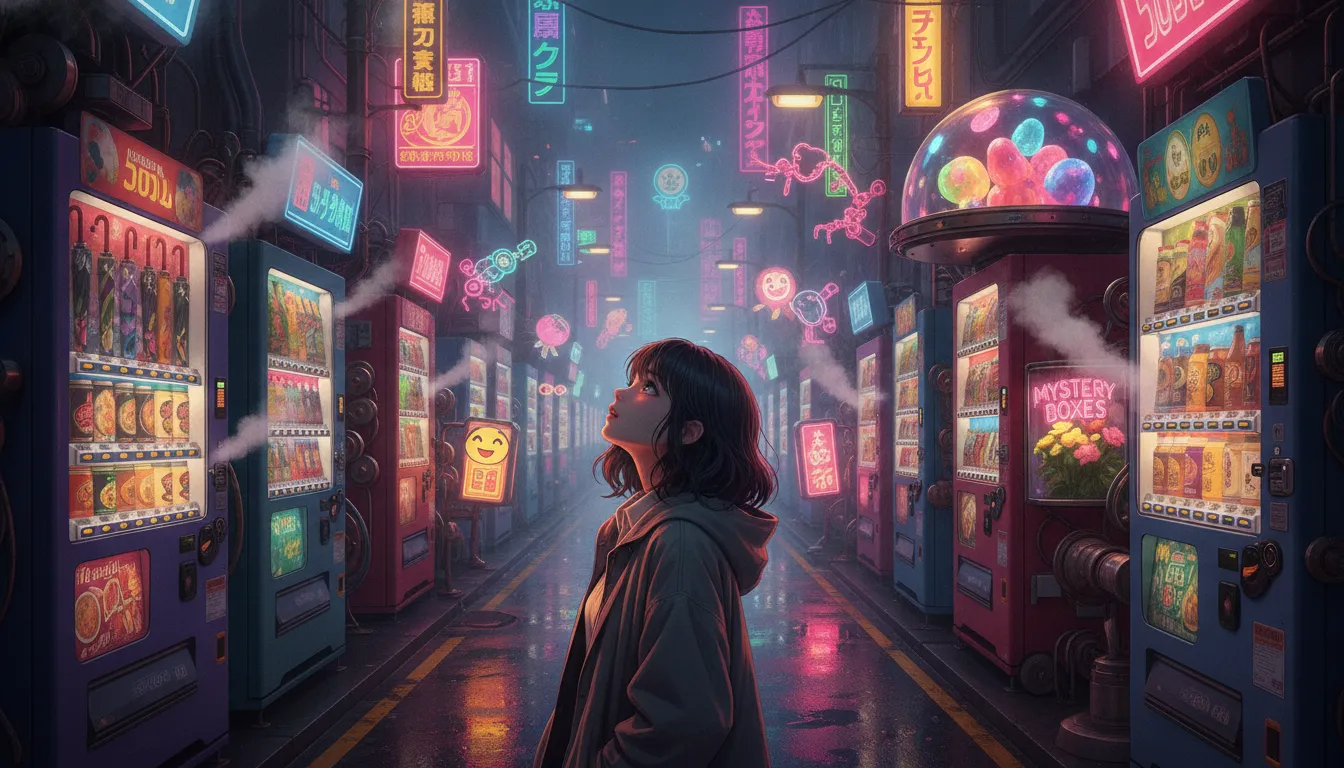
Imagine walking down a quiet Tokyo side street at midnight, hungry and far from any convenience store, when you spot a glowing machine offering a full hot meal — ramen, curry rice, even grilled corn on the cob. Now imagine the machine next to it is selling fresh flowers, and the one after that is stocked exclusively with umbrellas. Welcome to Japan, where the humble vending machine has been elevated to a cultural institution so strange, so specific, and so deeply practical that the rest of the world simply cannot keep up. Japan is home to an estimated 4 to 5 million vending machines — one of the highest densities per capita anywhere on Earth — and what they sell will make your head spin.
This isn’t just a novelty story about quirky tourist traps. Japan’s vending machine culture runs deep, touching everything from postwar convenience economics to the modern otaku lifestyle (that’s the term for dedicated fans of anime, manga, and all things geek culture). These machines are embedded in train stations, hiking trails, temple grounds, beach boardwalks, and suburban neighborhoods alike. They represent something genuinely fascinating about Japanese society: the blending of hyper-efficiency with a love of the unexpected. So buckle up — because once you understand why Japan’s vending machines are so wonderfully weird, you’ll never look at a regular soda dispenser the same way again.
The Historical Roots of Japan’s Vending Machine Obsession
Japan’s relationship with vending machines didn’t start with hot ramen or anime merchandise. It started, perhaps unsurprisingly, with postwar pragmatism. The country experienced rapid economic growth through the 1960s and beyond, and vending machines became a way to extend retail hours without the cost of additional staff. Japan’s culture of safety and low crime also made leaving unattended machines on street corners not just viable, but sensible.
By the 1970s and 1980s, machines dispensing hot and cold beverages had become ubiquitous. Brands like Dydo, Kirin, and Suntory built entire vending machine networks across the country, competing fiercely for prime locations. Unlike in many Western countries, where labor laws, vandalism concerns, and cultural skepticism kept machine culture modest, Japan leaned in hard. The result? A vending machine ecosystem that kept evolving, decade after decade, into increasingly unusual territory.
Hot Food, Cold Drinks, and Everything in Between
The most immediately shocking thing for first-time visitors is just how sophisticated Japan’s food vending machines are. Forget chips and candy bars. These machines are serious business:
- Hot ramen and udon noodles dispensed in cups, fully prepared
- Grilled corn on the cob, kept warm and ready to eat
- Takoyaki (octopus-filled dough balls, a beloved Osaka street food)
- Hot miso soup in sealed cups
- Warm cans of coffee — a Japanese invention that has never really caught on elsewhere at the same scale
- Fresh eggs directly from local farms, available in rural areas
- Bananas kept at the precise ripeness for immediate eating, famously pioneered by Dole Japan
The technology behind keeping food at safe temperatures while remaining genuinely tasty is no small feat. Many of Japan’s beverage machines toggle between hot and cold depending on the season — the same machine that serves icy green tea in August will be serving warm corn soup by November. The machines display a simple “あたたかい” (warm) or “つめたい” (cold) label on each item, a small detail that somehow feels like an act of hospitality.
The Bizarre and the Bewildering: Japan’s Strangest Machines
Now we get to the stuff that goes viral. Beyond food, Japan’s vending machine landscape enters genuinely surreal territory. Some highlights that are very real and very documented:
- Lobster claw crane machines — technically a vending game hybrid — where live lobsters are the prize
- Stag beetles sold in climate-controlled cases during summer, catering to Japan’s longstanding beetle-collecting hobby
- Umbrellas and disposable raincoats at train station exits, which is honestly genius
- Fresh flowers and bouquets, stocked daily, for commuters who need a last-minute gift
- Business suits in select major stations (no, really)
- Mystery boxes containing random products — a nod to Japan’s deep love of the fukubukuro (lucky bag) tradition
- Used schoolgirl uniforms — this category is real, controversial, and has been heavily regulated or banned in many areas since the 1990s, but it remains part of the cultural conversation about where vending machines can and cannot go
It’s worth noting that Japan has grappled publicly with the limits of vending machine commerce. The country has progressively tightened rules on what can be sold without age verification or human oversight, and many of the more controversial machines from earlier decades are now largely historical curiosities rather than everyday sights.
Anime and Geek Culture Get Their Own Machines
For fans of anime and manga, Japan’s vending machines have become an extension of the hobby itself. Walk through Akihabara, Tokyo’s legendary geek culture district, or the streets around major anime conventions, and you’ll find machines stocked with:
- Trading cards from popular franchises including Pokémon and One Piece
- Gashapon capsule toys (small figures or accessories in plastic eggs) representing characters from series like My Hero Academia, Demon Slayer, and Dragon Ball Z
- Limited-edition acrylic stands of popular characters
- Anime collaboration drinks — beverages with character artwork on the cans, often released in tandem with a new season premiere
The gashapon machine deserves special recognition. These coin-operated capsule dispensers, manufactured by companies like Bandai Namco and Takara Tomy Arts, are a billion-yen industry unto themselves. They’re not quite the same as traditional vending machines, but they occupy the same cultural space: unattended, always-on retail that delivers a tiny jolt of joy. You’ll find them in rows at toy stores, malls, and convenience stores, often themed to whatever series is dominating conversation at the moment. Given the massive anime seasons of recent years — franchises that have captured global audiences much like who are the strongest Jujutsu Kaisen characters really? keeps fans debating online — these machines move product fast.
Smart Vending: Technology Meets Tradition
Japan’s vending machine industry isn’t coasting on its quirky reputation. By 2026, the sector has embraced significant technological upgrades. Panasonic, JR East (the railway company), and several startups have rolled out next-generation machines featuring:
- Touch screen displays with personalized recommendations based on weather or time of day
- Facial recognition systems that estimate a customer’s age and suggest appropriate products (with significant ongoing privacy debate)
- Cashless payment via IC transit cards like Suica and Pasmo, as well as QR code payments
- Real-time inventory tracking connected to cloud systems, reducing waste and ensuring fresher stock
- Emergency supply machines pre-stocked with water, emergency blankets, and first-aid supplies, intended for use after natural disasters
That last point is particularly telling. In a country regularly affected by earthquakes, Japan has quietly integrated vending machines into its disaster preparedness infrastructure. Certain machines operated by local governments or railway companies are programmed to dispense their contents for free during declared emergencies. It’s the kind of detail that transforms a quirky cultural footnote into something genuinely moving.
Why the World Hasn’t Copied Japan’s Model
At this point, you might be wondering why no other country has simply replicated Japan’s vending machine paradise. The answer is layered. Crime rates and vandalism make unattended machines a financial liability in many urban environments. Labor regulations and retail laws in various countries restrict what can be sold automatically and when. Cultural attitudes toward convenience versus human interaction differ enormously. And frankly, the sheer density of machines only makes economic sense when foot traffic is consistently high — something Japan’s extraordinarily well-developed public transit system naturally produces.
Japan also benefits from a culture that genuinely values omotenashi — a concept of hospitality and anticipatory service — and vending machines, oddly enough, embody a version of this. They are always stocked, always lit, always available. That reliability is itself a form of care. It’s a mindset worth understanding even if you’ve never set foot in Japan, much like how 9 bizarre things people believed in the past reveals how cultural context shapes what seems normal or strange.
A Glowing Rectangle That Says Everything About Japan
Japan’s vending machines are strange, yes. But they’re strange in the most specifically Japanese way: they are extremely practical, occasionally outrageous, technologically ambitious, and always, always available when you need them. They reflect a society that takes convenience seriously enough to invest in it, and creative enough to never let it get boring. Whether you’re a tourist grabbing a warm can of corn soup at 3 a.m. on a Kyoto backstreet, or an anime fan scoring a limited-edition capsule toy of your favorite character, the experience is the same — a small, glowing rectangle offering exactly what you didn’t know you needed. And somehow, that feels very right.
