

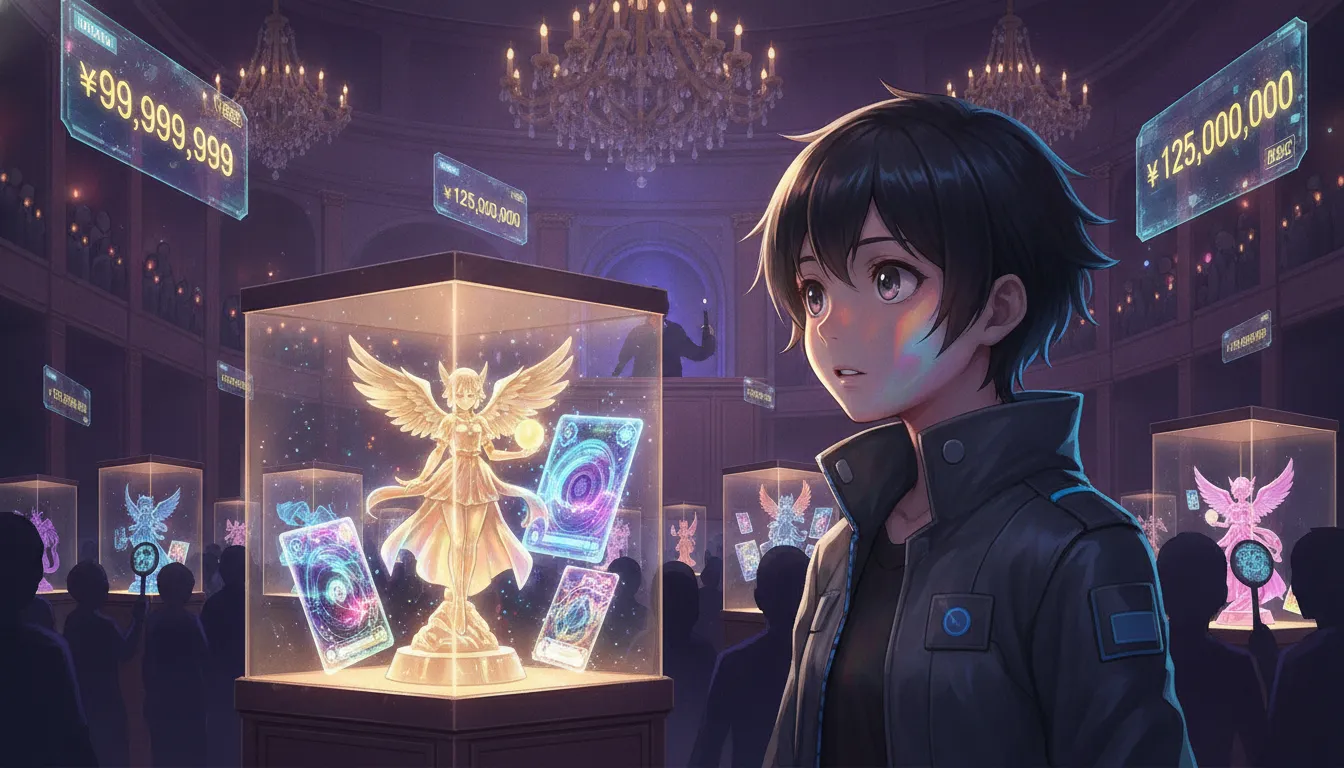
Imagine opening a dusty cardboard box from your attic and discovering a piece of plastic and cardboard worth more than a luxury sports car. For most people, that sounds like a fever dream — but for a growing community of elite anime collectors, it is an increasingly real possibility. The world of anime collectibles has exploded far beyond bedroom shelves and convention hall merch tables. We are now deep inside an era where rare figures, trading cards, vintage merchandise, and original production cels are fetching prices that would make even the most seasoned art auction houses do a double take.
The crossover between nostalgia, scarcity, and passionate fandom has created a perfect storm in the collector’s market. Series like Dragon Ball Z, Pokémon, Neon Genesis Evangelion, and One Piece are not just beloved stories — they are cultural institutions whose physical artifacts have become legitimate investment-grade assets. Younger generations who grew up watching Goku go Super Saiyan or training with Ash Ketchum are now adults with disposable income and an unshakeable emotional connection to the franchises of their childhood. And they are willing to pay — sometimes millions — to own a piece of that world.
So, what exactly are these items, who is buying them, and why are they worth so much? Buckle up, because the rabbit hole goes very, very deep.
The Pokémon Card Phenomenon That Shocked the World
No conversation about record-breaking anime collectibles can begin anywhere other than Pokémon trading cards. What started in 1996 as a Japanese card game released by Game Freak and Nintendo has become the single most explosive segment of the collectible market in the 21st century.
The crown jewel of the hobby is widely considered the PSA 10 Pikachu Illustrator card, an ultra-rare promotional card awarded only to winners of an official Pokémon illustration contest held in Japan in 1997 and 1998. Unlike standard cards, it features the word “Illustrator” where a card’s rarity symbol would normally appear, making it immediately distinguishable and impossibly coveted. In July 2021, Logan Paul — the YouTuber and media personality — purchased a PSA 10-graded Pikachu Illustrator for $5.275 million, a record that sent shockwaves across both the gaming and investment communities and brought mainstream media attention to the collectible card market in a way it had never seen before.
But it is not just about that one legendary card. First-edition Pokémon booster box sets, sealed in original 1999 packaging, have sold at auction for hundreds of thousands of dollars. Graded first-edition holographic Charizard cards — the fan-favorite fire-breathing dragon Pokémon that practically defined a generation — routinely sell in the tens and even hundreds of thousands of dollars depending on their condition grade.
Dragon Ball’s Golden Legacy in the Collector’s Market
If Pokémon cards represent the high-volume collectible market, then Dragon Ball Z merchandise represents something altogether more cinematic in scope. Akira Toriyama’s legendary manga and anime franchise, which debuted in 1984 as Dragon Ball and continued into Dragon Ball Z from 1989, has produced decades of merchandise — and some of that merchandise has aged into serious treasure.
Original production cels from the Dragon Ball Z anime are among the most sought-after items in the market. These hand-painted acetate sheets were the actual frames used by Toei Animation during production before digital animation replaced the technique in the late 1990s and early 2000s. Cels featuring iconic characters like Goku, Vegeta, or Frieza in key battle sequences can fetch tens of thousands of dollars at auction, with rare, high-quality pieces reaching six figures. The appeal is elemental: these are not reproductions. They are the literal building blocks of the anime itself.
Vintage Dragon Ball Carddass cards — a Japanese collectible card series that predates the Western trading card boom — have also seen dramatic valuation increases, particularly for near-mint condition examples of early print runs from the late 1980s.
Evangelion and the Art of Rare Anime Merchandise
Neon Genesis Evangelion, the groundbreaking 1995 psychological mecha series from Gainax directed by Hideaki Anno, occupies a unique space in both anime history and collectible culture. The series deconstructed the giant robot genre while exploring mental health, existentialism, and identity — and its merchandise reflects that intense cultural weight.
Original hand-painted production cels from Evangelion featuring characters like Rei Ayanami, Shinji Ikari, and Asuka Langley Soryu are rare and highly prized. Given that the series is over 30 years old and that many cels were lost, damaged, or never entered the public market, authenticated pieces command extraordinary prices in private sales and specialty auctions. First-press limited edition laser discs, original promotional posters used in Japanese theaters, and early-run garage kits (resin model kits produced in small numbers by independent creators) are all part of the Evangelion collector’s universe.
One Piece and the Rising Tide of Modern Collectibles
Eiichiro Oda’s One Piece, which began serialization in 1997 and remains one of the best-selling manga series of all time, has also produced a remarkable collector’s market. While it may not have the same vintage depth as Dragon Ball, the sheer scale of the franchise means that rare and limited items surface constantly.
Ichiban Kuji lottery figures — special prize figures only available through Japanese convenience store and toy shop lottery events — are among the most sought-after modern collectibles. Limited-edition Megahouse Portrait of Pirates figures, which are high-end collectible figures produced in strict limited quantities, have seen secondary market values climb dramatically. Figures of fan-favorite characters like Roronoa Zoro or Nico Robin from early production runs can sell for many times their original retail price.
What Makes an Anime Collectible Truly Valuable?
Not every figure or card you find at a thrift store is about to fund your retirement. Understanding what drives value in this market is essential:
- Rarity and print run size: Limited production numbers create scarcity, which drives demand
- Condition: Graded cards and mint-in-box figures can be worth dramatically more than open or damaged counterparts
- Provenance and authentication: Proof of origin matters enormously, especially for production cels and vintage merchandise
- Cultural significance: Items tied to landmark moments in anime history — a first anime appearance, a franchise-defining story arc — carry emotional and historical weight
- Age: Vintage merchandise from the 1980s and 1990s is increasingly rare in any meaningful condition
- Franchise popularity: Items from globally beloved franchises command wider buyer pools and, therefore, higher prices
- Original vs. reproduction: Originals, especially production cels, are inherently irreplaceable
The grading system used for cards — most notably through PSA (Professional Sports Authenticator) — has also created a standardized language of quality that allows buyers and sellers worldwide to transact with shared confidence in an item’s condition.
The Role of Pop Culture and Celebrity in the Boom
The collectible anime market did not reach its current fever pitch in a vacuum. High-profile purchases — like Logan Paul’s record-setting Pikachu Illustrator card deal — brought global press coverage to what had previously been a niche hobby. Suddenly, mainstream investors who had never watched an episode of Pokémon were researching sealed booster boxes. Celebrities began publicly displaying their collections, further legitimizing the hobby in the eyes of broader culture.
Auction houses that once focused exclusively on fine art and rare books — including Heritage Auctions and Goldin Auctions in the United States — now regularly feature anime and video game collectibles in their catalogs. This institutional embrace has given collectors the infrastructure to transact at the highest levels with legal protections and professional authentication. If you’re curious about how Japanese pop culture bleeds into unexpected commercial spaces, Japan’s Weirdest Vending Machines Finally Explained offers a delightful look at how the country turns even mundane retail into a cultural experience.
How to Start Your Own Collection Without Breaking the Bank
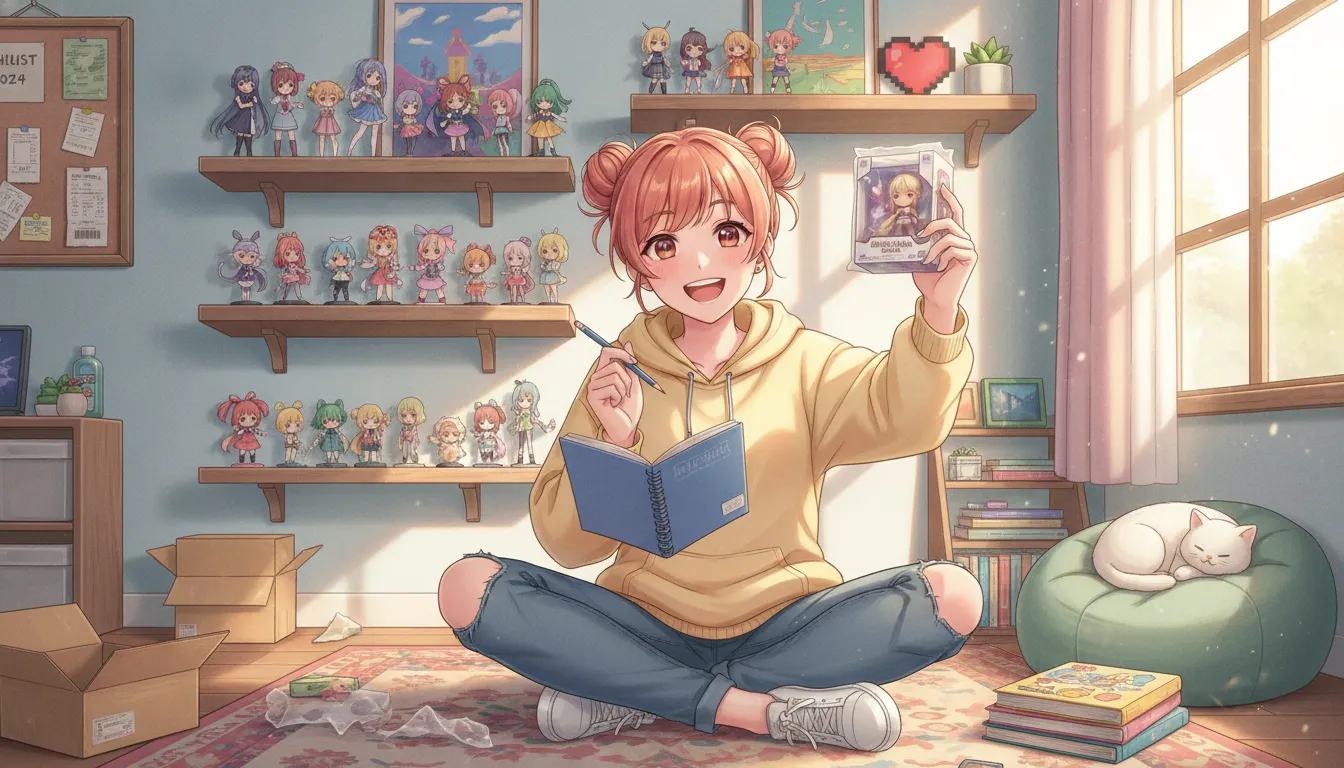
The million-dollar headlines can make this hobby feel inaccessible, but the reality is that meaningful collecting can begin at almost any budget:
- Start with modern limited-edition figures from reputable brands like Good Smile Company or Kotobukiya
- Follow secondary market platforms like Mandarake, Suruga-ya, or Yahoo! Auctions Japan for vintage deals
- Learn to authenticate before you buy — fake figures and counterfeit cards are unfortunately common
- Focus on series you love rather than chasing pure investment value
- Store items properly to preserve condition — boxes, UV-protected cases, and stable temperature environments matter
The world of rare anime collectibles sits at a beautiful, slightly absurd intersection of childhood wonder, investment strategy, and cultural preservation. Whether it is a hand-painted cel of Goku mid-Kamehameha or a near-mint Pikachu card protected behind museum-grade glass, these objects tell the story of how anime went from a Japanese broadcast medium to a global phenomenon worth billions. The market will evolve, prices will fluctuate, and new franchises will inevitably produce the next generation of priceless artifacts. One thing, however, is certain: the days of dismissing anime merchandise as mere toys are long, gloriously over.
