

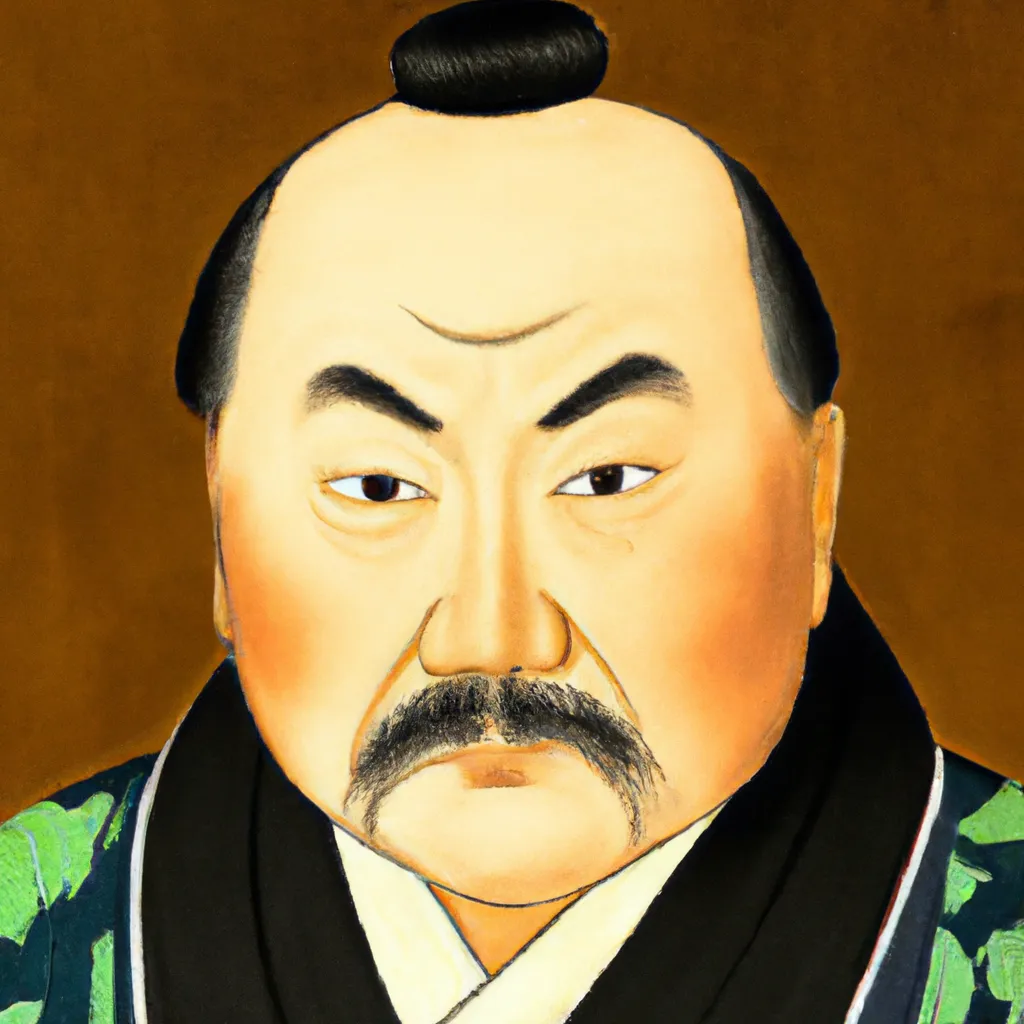
The Way of the Samurai: Exploring the Warrior Code and Legacy
Samurai, the legendary warriors of Japan, have captured the imaginations of people around the world for centuries. Known for their unwavering loyalty, honor, and skill in combat, the samurai lived by a strict code of ethics that defined every aspect of their lives. In this article, we will delve into the fascinating world of the samurai, exploring their warrior code, their legacy, and the impact they have had on Japanese culture and beyond.
The Origins of the Samurai
The samurai, originally known as bushi, emerged in feudal Japan during the Heian period (794-1185). Initially, they were skilled mounted warriors who served the noble class and protected their lands. Over time, the samurai evolved into a distinct social class with their own set of beliefs, practices, and traditions.
One of the defining characteristics of the samurai was their loyalty to their lord, known as bushido, or “the way of the warrior.” This code of ethics emphasized virtues such as honor, courage, and self-discipline, and dictated every aspect of a samurai’s life, from how they conducted themselves in battle to how they interacted with others in everyday life.
The Bushido Code
Central to the samurai way of life was the bushido code, a set of principles that governed their behavior and attitudes. The eight virtues of bushido were:
- Rectitude (gi) – Doing what is right and just
- Courage (yu) – Overcoming fear and adversity
- Benevolence (jin) – Showing compassion and kindness to others
- Respect (rei) – Treating others with courtesy and dignity
- Honesty (makoto) – Being truthful and sincere in all dealings
- Honor (meiyo) – Upholding one’s integrity and reputation
- Loyalty (chugi) – Remaining faithful to one’s lord and comrades
- Self-control (jin) – Exercising restraint and discipline in all actions
Adhering to the bushido code was not just a matter of personal honor for the samurai; it was also a matter of life and death. Failure to live up to these ideals could result in dishonor, exile, or even death. The samurai were expected to uphold these virtues at all times, both on and off the battlefield.
The Legacy of the Samurai
Despite the decline of the samurai class in the late 19th century, their legacy lives on in Japan and beyond. The bushido code continues to influence Japanese society, shaping attitudes toward honor, duty, and loyalty. The image of the samurai as noble warriors devoted to a higher cause has become a symbol of Japanese culture and identity.
Moreover, the martial arts traditions of the samurai, such as kendo, judo, and aikido, have spread around the world, influencing modern combat sports and self-defense practices. The discipline, focus, and respect for tradition embodied by the samurai are values that continue to resonate with people of all backgrounds.
The Impact of the Samurai on Popular Culture
The mystique of the samurai has captivated audiences in literature, film, and art for centuries. From classic works like “The Tale of the Heike” to modern films like Akira Kurosawa’s “Seven Samurai,” the stories of these legendary warriors have been retold and reimagined in countless ways.
Today, the samurai continue to inspire creators in various mediums, from manga and anime to video games and fashion. Their iconic armor, weapons, and code of honor have become enduring symbols of strength, courage, and integrity. The enduring popularity of samurai-themed media reflects the timeless appeal of their stories and values.
Conclusion
The way of the samurai is a rich and complex tradition that has left a lasting impact on Japanese culture and the world at large. Through their adherence to the bushido code, the samurai embodied values that continue to resonate with people today, inspiring admiration and fascination for their noble spirit and unwavering dedication.
As we explore the legacy of the samurai, we gain a deeper appreciation for the enduring power of their stories and the lessons they offer about honor, courage, and loyalty. The spirit of the samurai lives on in the hearts of those who seek to uphold the ideals of bushido in their own lives, embodying the noble virtues of these legendary warriors.
For more insights into Japanese culture and history, check out our other articles:
- Unleashing the Power of Anime and Steampunk
- The Fascinating World of Voice Actors: 10 Surprising Facts about Dubbing Artists
- Retro Anime Revival: Old-school Favorites Making a Comeback
- Unveiling the Mysteries of Japanese Mythology: A Journey into the Land of Gods and Spirits
- Enter the Cyberpunk World: A Glimpse into a Dystopian Future
