

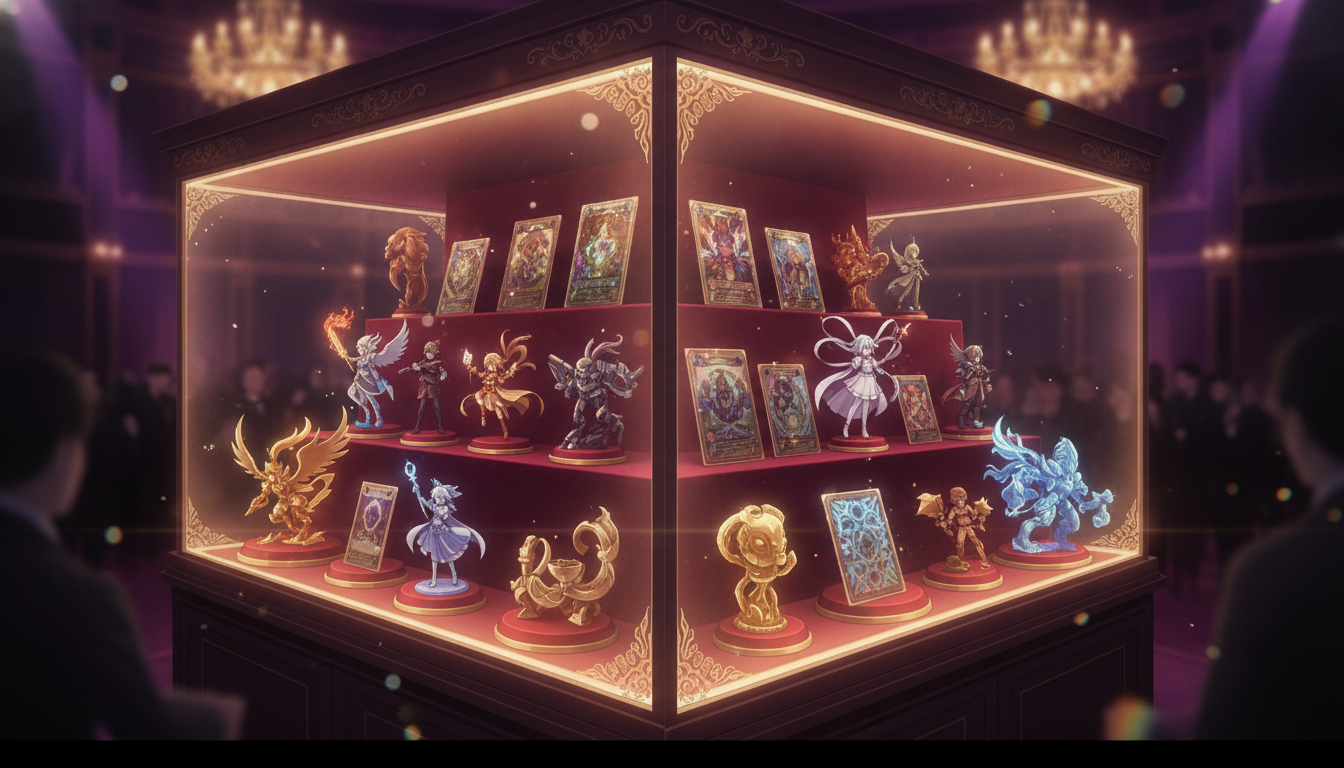
Imagine dropping the price of a luxury sports car — or even a house — on a single piece of animation art or a small plastic figure. Sounds absolutely unhinged, right? Yet every year, passionate collectors around the world do exactly that, pouring jaw-dropping sums into anime memorabilia that most people would mistake for “just a cartoon drawing.” The anime collectibles market has exploded into a multi-billion dollar global phenomenon, and at its highest tier, the prices being paid are genuinely difficult to comprehend.
What drives someone to spend hundreds of thousands of dollars on a hand-painted animation cel, a vintage figure still in its box, or a signed original sketch from a legendary artist? The answer is a potent cocktail of nostalgia, cultural significance, artistic appreciation, and the simple fact that some of these items are utterly irreplaceable. Original production art from classic series only exists in finite quantities, and as the generations who grew up with Dragon Ball, Sailor Moon, and Neon Genesis Evangelion enter their peak earning years, the demand for the rarest pieces has sent prices into the stratosphere.
Whether you’re a seasoned collector or someone who just finished their first anime binge and is wondering what all the fuss is about, buckle up. The world of high-end anime collectibles is wilder, more fascinating, and more expensive than you ever imagined — and we’re about to break it all down.
Why Anime Collectibles Have Become Serious Investment Territory
For a long time, anime merchandise was dismissed as niche hobbyist stuff — something teenagers kept on their bedroom shelves. That perception has completely changed. Major auction houses like Heritage Auctions and Sotheby’s now regularly feature anime production art and rare figures in their catalogs, placing these items alongside fine art, rare comics, and vintage sports memorabilia.
The shift happened for several reasons. First, anime became a genuinely global cultural force, with series like Attack on Titan, Demon Slayer, and One Piece achieving mainstream recognition worldwide. Second, original animation cels — the hand-painted acetate sheets used to create pre-digital anime — are finite by definition. Once a studio loses or destroys them, they’re gone forever. Third, the collector base has grown dramatically, meaning more bidders competing for the same rare items and prices inevitably climbing.
The result? Pieces that might have sold for a few thousand dollars in the early 2000s now routinely fetch tens of thousands, and the absolute crown jewels of the market have crossed into genuinely life-changing money territory.
The Record-Breaking Sales That Made Collector Jaws Drop
Dragon Ball and the Power of Akira Toriyama’s Original Art
Few names carry more weight in the anime collectibles world than Akira Toriyama, the legendary creator of Dragon Ball. His hand-drawn original illustrations and production sketches have commanded extraordinary prices at auction. Following Toriyama’s passing in March 2024, demand for authenticated original artwork from his hand surged even further, as collectors recognized these pieces now represent a truly closed chapter of history.
Original color illustrations and storyboard pages from the Dragon Ball Z era have sold for well over $50,000 at major auction events, with particularly significant pieces — such as iconic character illustrations featuring Goku in Super Saiyan form — pushing beyond that benchmark at specialized anime art auctions.
Neon Genesis Evangelion Cels: Surreal Art at Surreal Prices
Neon Genesis Evangelion, the groundbreaking 1995 series from Studio Gainax, is one of the most artistically and psychologically ambitious anime ever made. Its production cels — particularly those featuring protagonist Shinji Ikari, the iconic Rei Ayanami, or the massive biomechanical Evangelion units — have become some of the most coveted animation art in existence.
High-quality cels from key scenes in the series, especially from emotionally pivotal or visually striking episodes, have sold at auction for figures ranging from $20,000 to well over $100,000 depending on the scene, the character depicted, and the condition of the cel. The intersection of artistic merit and cultural legacy makes Evangelion cels some of the most defensible high-price purchases in the hobby.
The Dragon Ball Z Cell Game Animation Cel Phenomenon
To give you a more concrete landmark: a production animation cel from Dragon Ball Z featuring the villain Cell and the hero Gohan during their legendary battle — one of the most celebrated fight sequences in anime history — sold at Heritage Auctions for a figure that stunned even seasoned collectors. Iconic battle scenes, featuring multiple characters in full color against finished backgrounds, represent the absolute pinnacle of cel collecting.
Rare Figures and Prototypes: When Plastic Becomes Priceless
Animation cels aren’t the only category reaching insane price points. Rare vintage figures, unopened “deadstock” merchandise, and one-of-a-kind prototype figures have their own breathless auction ecosystem.
Some highlights from the world of rare figure collecting:
- Vintage Sailor Moon merchandise in mint, sealed condition — particularly items from the original 1990s Bandai Sailor Moon toy lines — regularly sells for thousands of dollars per piece among dedicated collectors.
- One Piece figure prototypes and limited Wonder Festival exclusives have fetched prices many times their original retail value on the secondary market, with certain Luffy and Zoro figures from prestigious sculptors becoming genuine grails.
- Pokémon merchandise exists in its own galaxy — the Pokémon franchise (which began as a manga/anime property) has produced some of the most expensive collectibles ever, including Trophy Pikachu Illustrator cards, though Pokémon cards occupy their own separate collecting universe.
- Evangelion Unit-01 scale figures from premium lines like Kotobukiya and Max Factory, particularly early releases in mint condition, command massive premiums from collectors who missed the original runs.
If you want to understand just how devoted these fanbases can be, consider reading about The Longest Running Anime Ever Will Shock You — series with decades of history produce decades worth of rare merchandise, and the oldest pieces become true time capsules.
What Makes a Collectible Reach the Highest Price Tier?
Not every piece of anime art or merchandise becomes a five or six-figure auction item. The factors that push something into record territory are surprisingly consistent:
- Authenticity and provenance: Is there documented evidence of where this piece came from? Did it come directly from the studio, a key staff member, or a well-documented collection?
- Condition: A cel with vibrant, unfaded paint and no damage is exponentially more valuable than one showing its age.
- Cultural significance: A scene that defined a generation — Gohan’s transformation, Usagi’s final battle, the Third Impact in Evangelion — carries emotional weight that translates directly into auction value.
- Rarity: Production cels from limited episode runs, prototype figures that never went to mass production, or signed art from creators who are no longer with us.
- Character popularity: Goku, Naruto, Luffy, and Pikachu have universal recognition that keeps demand high regardless of trends.
The Modern Collector’s Market in 2026
The collectibles landscape has evolved significantly in recent years. Digital auction platforms have made it easier than ever for international collectors to compete for rare pieces, which has simultaneously broadened the market and intensified competition. Japanese auction platforms like Mandarake and Yahoo! Japan Auctions remain treasure troves for dedicated hunters.
Meanwhile, the lines between traditional collecting and digital collecting have blurred somewhat, though physical, authenticated originals continue to hold their value in a way that purely digital alternatives have struggled to match. For hardcore fans looking to get into a beloved franchise, Ready to Watch One Piece in 2026? Start Here — because understanding the story is the first step to appreciating why those rare Luffy cels are worth a small fortune.
Should You Start Collecting Anime Memorabilia?
Here’s the honest truth: you don’t need to drop six figures to participate in anime collecting. Plenty of meaningful, beautiful, and potentially appreciating pieces are available at accessible price points — vintage VHS releases, signed convention prints, early figure releases from respected manufacturers. The community is passionate, knowledgeable, and generally welcoming to newcomers.
The insane record-breaking sales at the top of the market tell us something important though: anime art is real art, and the world has finally caught up to what dedicated fans always knew.
The fact that a hand-painted animation cel from a Saturday morning cartoon can sell for more than most people’s annual salary isn’t absurd — it’s actually a testament to how profoundly these stories and images have shaped global culture. The most expensive anime collectibles ever sold aren’t just overpriced nostalgia trips. They’re artifacts from one of the most creatively remarkable art forms of the 20th and 21st centuries, and the market is reflecting exactly that. Whether you’re window shopping or genuinely looking to invest, welcome to one of the most fascinating collector scenes on the planet.
