

Unveiling the Mysteries of Japanese Mythology: A Journey into the Land of Gods and Spirits
Japan is a land steeped in ancient traditions and rich cultural heritage. One of the most fascinating aspects of Japanese culture is its mythology, which is filled with a pantheon of gods, spirits, and creatures that have captured the imagination of people around the world. In this article, we will take a deep dive into the world of Japanese mythology, exploring the stories, legends, and beliefs that have shaped the spiritual landscape of Japan for centuries.
The Origins of Japanese Mythology
Japanese mythology has its roots in Shinto, the indigenous religion of Japan. Shinto is a polytheistic belief system that centers around the worship of kami, or divine spirits, that are believed to inhabit all aspects of the natural world. These kami can take on various forms, from powerful gods and goddesses to humble household spirits.
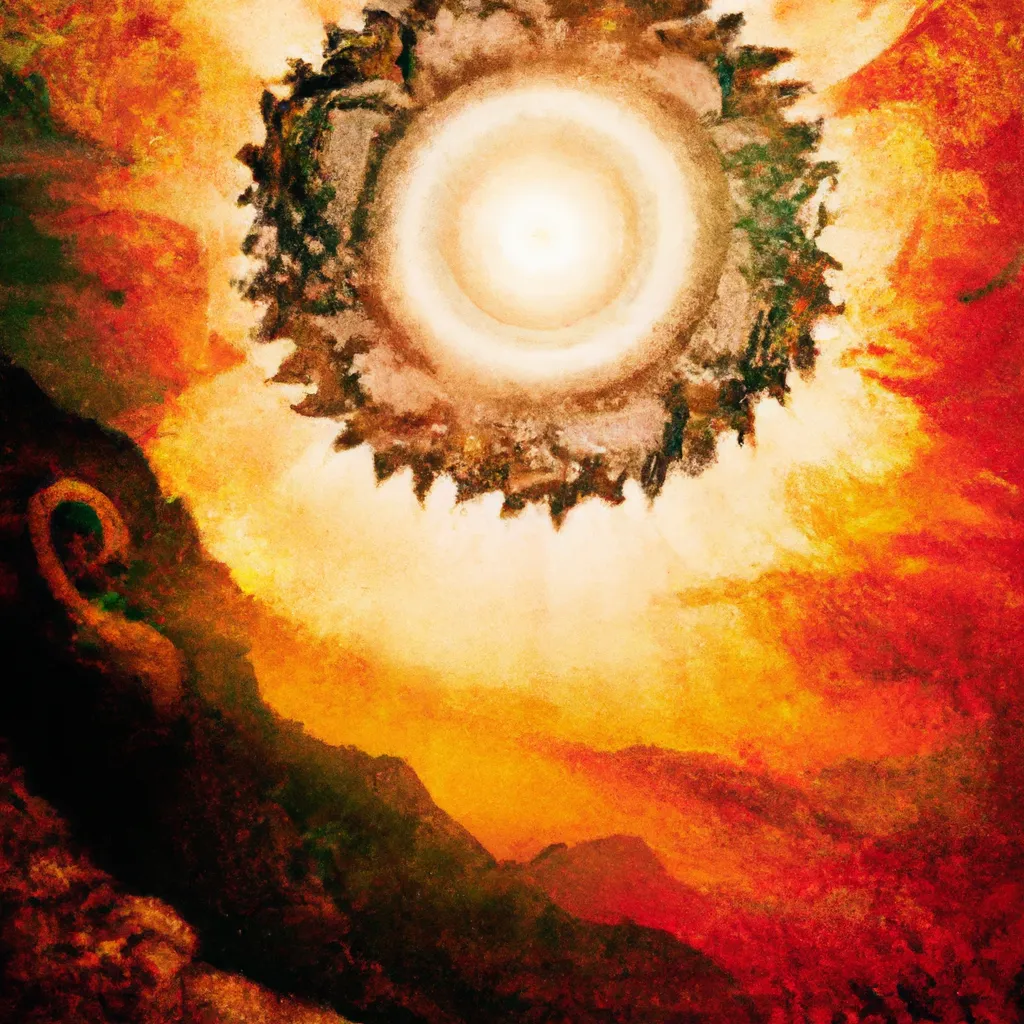
One of the most important figures in Japanese mythology is Amaterasu, the sun goddess and the ancestress of the Imperial family. According to legend, Amaterasu’s brother, Susanoo, the storm god, caused chaos and destruction in the world, prompting Amaterasu to hide in a cave, plunging the world into darkness. The other gods devised a plan to lure her out of the cave, and when she emerged, the world was bathed in light once again.
The Pantheon of Japanese Gods
Japanese mythology is populated by a diverse array of gods and goddesses, each with their own unique powers and attributes. Some of the most well-known deities include:
- Enter the Cyberpunk World: A Glimpse into a Dystopian Future
- Exploring the World of Seinen: A Dive into Mature Manga and Anime
- The Rise of Artificial Intelligence in Japan: A Closer Look
- Unforgettable Endings: The Art of Closure
- Rediscovering the Magic: Exploring Classic Anime Favorites
Spirits and Creatures of Japanese Mythology
In addition to gods and goddesses, Japanese mythology is also home to a wide variety of spirits and creatures that play a vital role in the spiritual beliefs of the Japanese people. Some of these include:
- Yokai – supernatural creatures that range from mischievous spirits to malevolent demons.
- Tengu – bird-like creatures with supernatural powers, often associated with martial arts and wisdom.
- Kitsune – fox spirits that can shape-shift into human form and possess magical abilities.
- Oni – ogre-like demons that are often depicted as fearsome and powerful beings.
Japanese Mythology in Popular Culture
The rich tapestry of Japanese mythology has inspired countless works of art, literature, and entertainment. From classic literature such as “The Tale of Genji” to modern anime and video games, the influence of Japanese mythology can be seen in a wide range of media.
One of the most popular uses of Japanese mythology in modern culture is in the world of anime and manga. Many anime series and manga comics draw upon traditional myths and legends to create captivating stories that resonate with audiences around the world. Shows like “Naruto” and “Inuyasha” feature characters inspired by Japanese folklore, bringing these ancient stories to a new generation of fans.
Conclusion
Japanese mythology is a fascinating and complex tapestry of gods, spirits, and creatures that reflect the spiritual beliefs and cultural heritage of Japan. By delving into the world of Japanese mythology, we can gain a deeper understanding of the values and traditions that have shaped Japanese society for centuries. Whether through ancient legends or modern interpretations, the stories of Japanese mythology continue to captivate and inspire people around the world.
