

Ever heard something so strange you immediately Googled it just to prove it wrong — only to find out it was completely true? That’s the peculiar magic of trivia that sounds made up but isn’t. Anime, manga, video games, and broader geek culture are absolutely stuffed with behind-the-scenes facts, production quirks, and historical coincidences so bizarre that even die-hard fans double-take when they first encounter them. The gap between “that can’t possibly be real” and “wait, it’s actually real” is exactly where the best trivia lives.
What makes these facts feel so unbelievable isn’t that they’re obscure — it’s that reality turns out to be weirder, more creative, and more chaotic than any fiction writer would dare to put on the page. A legendary manga artist drawing under impossible deadlines, a beloved franchise that almost never existed, a voice actor carrying a character for decades — these aren’t urban legends. They’re documented history. And the more you dig into geek culture, the more you realize the stories behind the stories are often the most fascinating part of the whole experience.
So buckle up. We’ve gathered some of the most jaw-dropping, legitimately verified trivia facts from anime, manga, gaming, and pop culture at large. These are the ones you’ll want to drop casually at your next watch party just to watch everyone’s faces shift from skepticism to pure, delighted disbelief.
The One Piece Manga Has Been Running Continuously Since 1997
Let’s start with something that still breaks people’s brains even after they’ve been fans for years. Eiichiro Oda began serializing One Piece in Weekly Shōnen Jump in July 1997. As of 2026, that means the series has been running for nearly three decades — and it is still going, now deep into the Final Saga. To put that in perspective, people who were born the year One Piece started are now adults in their late twenties.
What makes this even more staggering is that Oda has produced this work while dealing with documented health challenges, famously sleeping only a few hours per night during peak serialization periods. He has also spoken publicly about the immense schedule demands of weekly manga. The story, which spans over 1,100 chapters and has sold more than 500 million copies worldwide across physical and digital editions, is the best-selling manga series of all time. If you want to understand what that Final Saga is actually about without spoiling your entire weekend to catch up, check out One Piece Final Saga Explained So Beginners Won’t Get Lost — it’s a genuinely good entry point.
Pokémon Almost Didn’t Happen Because Nobody Wanted It
Here’s one that sounds like revisionist mythology but is thoroughly documented: Game Freak originally struggled to find a publisher for Pokémon. Satoshi Tajiri’s concept — based on his childhood love of collecting insects — was passed around and met with serious skepticism throughout its development in the early 1990s. The project took approximately six years to develop, pushing Game Freak to near financial collapse during the process.
Nintendo eventually agreed to publish the game, and Pocket Monsters Red and Green launched in Japan in February 1996. The rest, as people say, is history — but it’s history that nearly didn’t happen at all. Today, Pokémon is the highest-grossing media franchise of all time, surpassing even Hello Kitty and Star Wars in total franchise revenue. That creature-collecting game that almost no one wanted to fund is now a global cultural institution.
Neon Genesis Evangelion Was Saved by a Scheduling Accident
Studio Gainax’s Neon Genesis Evangelion, which premiered in October 1995, is now considered one of the most influential anime ever made. What’s less commonly known is that the production was a disaster behind the scenes. The studio ran severely out of budget toward the end of the series, which directly contributed to the famously abstract, dialogue-driven final two episodes — episodes set almost entirely inside the mind of protagonist Shinji Ikari rather than in any conventional animated space.
What felt to many viewers like a bold artistic statement was partly the result of financial and time constraints forcing the creative team to work with what they had. Director Hideaki Anno has since acknowledged the difficult circumstances of the production. The theatrical films Death & Rebirth and The End of Evangelion were later released to provide a more conventional narrative conclusion. Decades later, the Rebuild of Evangelion film series concluded in 2021 with Evangelion: 3.0+1.0 Thrice Upon a Time. The chaos behind the original production arguably shaped one of the most discussed endings in animation history.
Voice Actors Who Have Held Roles for Extraordinarily Long Periods
The dedication of voice actors in long-running anime is genuinely remarkable and routinely underappreciated. Consider these facts:
- Mayumi Tanaka has voiced Monkey D. Luffy in the One Piece anime since it began airing in 1999 — that’s over 25 years of continuous work on a single character.
- Masako Nozawa has been the voice of Son Goku in the Dragon Ball franchise since the original Dragon Ball anime in 1986, meaning she has voiced the same character across four decades.
- Ikue Ōtani has voiced Pikachu in the Pokémon anime since 1997, carrying the role continuously for nearly 30 years.
These aren’t just long careers — they’re individual characters held by individual performers across the entire adult lives of the fans who grew up with them. The emotional weight of that continuity is something Western animation, with its more frequent recasting, rarely replicates.
The Spirited Away – Titanic Box Office Coincidence That Isn’t a Coincidence
Studio Ghibli’s Spirited Away, directed by Hayao Miyazaki, was released in Japan in July 2001. It became the highest-grossing film in Japanese box office history, a record it held for nearly two decades. The film that finally surpassed it in Japan? Demon Slayer: Mugen Train in 2020.
The global re-release of Spirited Away in 2022 pushed its worldwide earnings even higher, and it remains one of the most celebrated animated films ever made, having won the Academy Award for Best Animated Feature in 2003 — the only non-English-language film to win that award without being nominated through an English-language release pathway at the time. The animation quality and storytelling depth that Studio Ghibli achieved under Miyazaki are part of what The Anime Studios That Shape Every Show You Love explores in detail.
Video Games That Contain Secrets Nobody Found for Years
The gaming world has an entire category of facts that sound invented: hidden content that went undiscovered for years or even decades.
- The Atari 2600 game Adventure (1980) contained a hidden room with developer Warren Robinett’s name — widely considered the first video game Easter egg. Atari management didn’t know it was there until after the game shipped.
- Super Mario Bros. (1985) has documented tricks and warp zones that weren’t publicly documented until years after release, despite millions of players having the cartridge.
- Donkey Kong Country 2 (1995) contained hidden developer rooms that speedrunners only fully mapped out decades after the game’s release.
These kinds of secrets are why the Easter egg rabbit hole never really ends, and if that topic interests you, the deep dive into These Video Game Easter Eggs Were Hidden Right Before You is absolutely worth your time.
The Dragon Ball Franchise Literally Refused to End
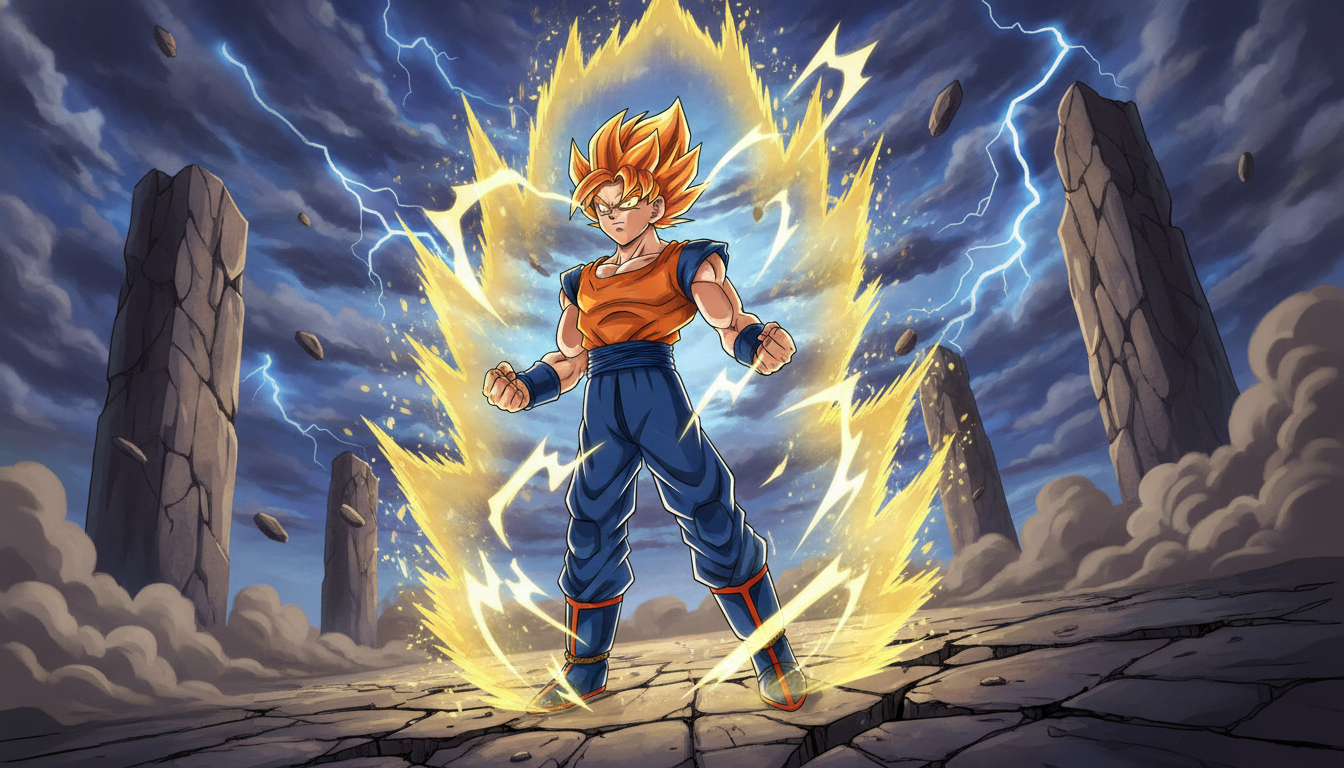
Dragon Ball Z concluded in Japan in 1996. Fans said goodbye. Then came Dragon Ball GT (non-canonical), then a 17-year hiatus before Dragon Ball Super launched in 2015. As of 2026, the Dragon Ball franchise is still producing new content — new manga chapters, new films, and ongoing releases — making it one of the longest-sustained franchise operations in animation history. Akira Toriyama, who created the original manga, passed away in March 2024, but the franchise continues under established creative teams who worked alongside him for years.
The truth is, geek culture doesn’t need embellishment. The real history of anime, manga, gaming, and everything orbiting them is already stranger, more dramatic, and more emotionally resonant than most people realize. The next time someone tells you a trivia fact sounds too weird to be true, maybe sit with it for a second before reaching for your skepticism — because reality, especially in this corner of pop culture, has a well-documented habit of being completely unhinged in the best possible way.
