

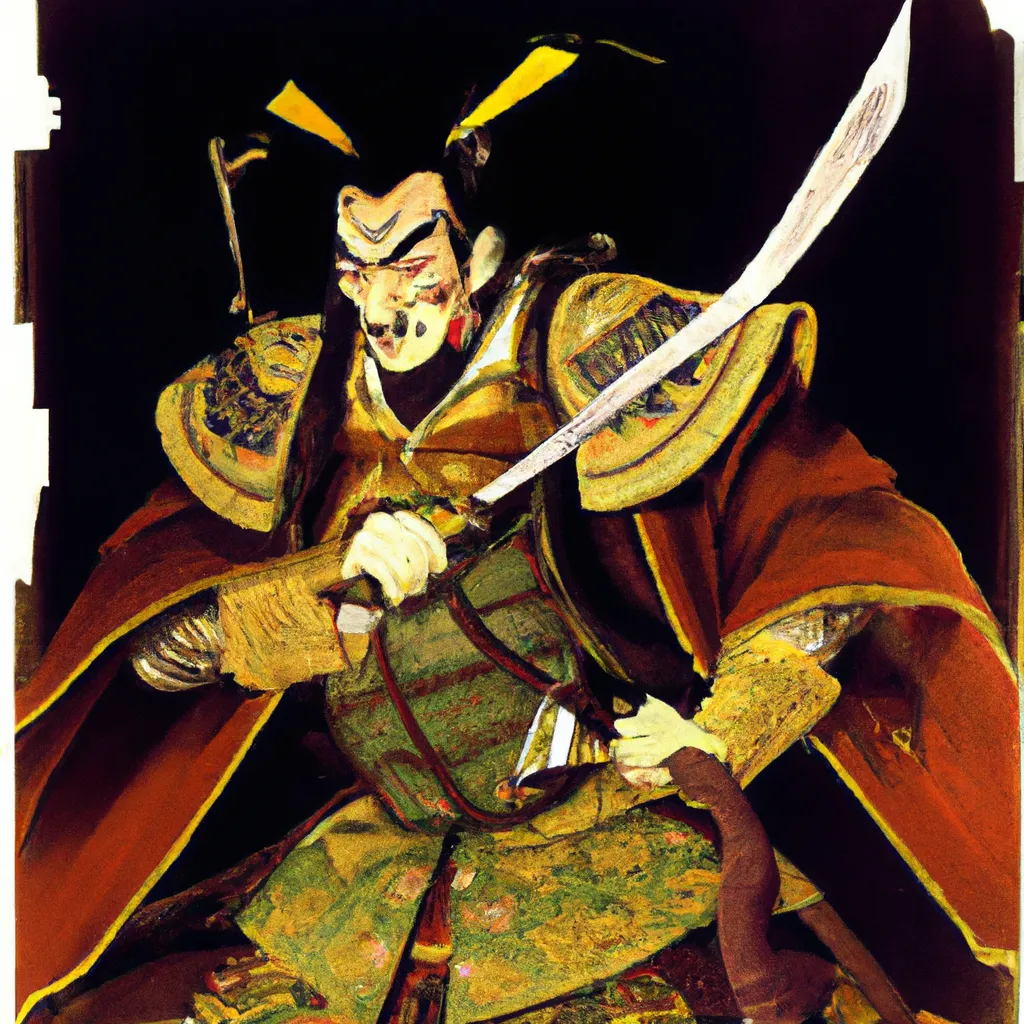
Unveiling the Mystique of Samurai Warriors: A Journey into Ancient Japan’s Legendary Warriors
Samurai warriors, the legendary warriors of ancient Japan, have captured the imagination of people around the world for centuries. Known for their code of honor, martial prowess, and unwavering loyalty, the samurai have become symbols of courage and discipline. In this article, we will delve into the mystique of samurai warriors, exploring their history, culture, and enduring legacy.
The Origins of the Samurai
The samurai, whose name means “those who serve,” emerged in feudal Japan during the Heian period (794-1185). Originally, they were a class of mounted warriors who served the nobility and protected their lands. Over time, the samurai evolved into a distinct social class with their own code of conduct, known as Bushido, which emphasized virtues such as loyalty, honor, and self-discipline.
During the Kamakura period (1185-1333), the samurai rose to prominence as the ruling class in Japan. They became the military elite, serving as retainers to powerful warlords known as daimyo. The samurai’s role was to protect their lord’s interests, uphold justice, and maintain order in society.
The Way of the Samurai: Bushido
Central to the samurai ethos was Bushido, the way of the warrior. This code of conduct governed every aspect of a samurai’s life, from his behavior on the battlefield to his interactions with others in daily life. Bushido emphasized virtues such as loyalty, courage, honor, and self-discipline, and samurai were expected to uphold these principles at all times.
One of the key tenets of Bushido was loyalty to one’s lord. Samurai were sworn to serve their daimyo faithfully and to sacrifice their lives if necessary to protect him. This sense of loyalty was deeply ingrained in the samurai psyche and was considered the highest virtue a warrior could possess.
The Samurai in Battle
Samurai warriors were renowned for their skill in combat. Trained from a young age in the martial arts, they were expert swordsmen, archers, and horsemen. The samurai fought with a variety of weapons, including the katana (long sword), wakizashi (short sword), and yumi (bow).
Samurai warfare was characterized by its emphasis on honor and skill. Battles were often decided by single combat between samurai champions, who would duel to the death to prove their valor and skill. Samurai warriors were expected to show courage and skill in battle, never wavering in the face of adversity.
The Decline of the Samurai
With the rise of the Tokugawa shogunate in the early 17th century, the role of the samurai began to change. The Tokugawa shoguns established a centralized government and imposed strict social controls on the samurai class, limiting their power and influence.
By the mid-19th century, Japan was undergoing rapid modernization and industrialization, and the traditional feudal order was coming to an end. The samurai, once the elite warriors of Japan, found themselves marginalized and struggling to adapt to the changing times.
The Legacy of the Samurai
Despite the decline of the samurai as a social class, their legacy lives on in Japanese culture and society. The virtues of Bushido continue to influence modern Japanese attitudes towards honor, loyalty, and self-discipline. The image of the noble samurai warrior, clad in armor and wielding a sword, remains a powerful symbol of Japan’s past.
Today, the samurai are celebrated in popular culture through movies, manga, and anime, keeping their memory alive for new generations to appreciate. The mystique of the samurai warriors endures, a testament to their enduring legacy as legendary warriors of ancient Japan.
Conclusion
The samurai warriors of ancient Japan continue to captivate our imaginations with their tales of honor, courage, and loyalty. Through their code of Bushido, their prowess in battle, and their enduring legacy, the samurai have left an indelible mark on Japanese history and culture.
As we unravel the mystique of the samurai, we gain a deeper appreciation for the values they embodied and the legacy they left behind. The samurai may have faded into history, but their spirit lives on in the hearts of those who continue to be inspired by their story.
For more fascinating insights into Japan’s rich history and culture, be sure to check out our related posts:
- Forbidden Animation: The Dark Side of Censored Animes
- Uncovering Fascinating Historical Facts: A Journey Through the Past
- Uncovering the Magic: Exploring Japanese Animation
- Unveiling the Spiritual Themes in Anime: A Journey of Discovery
- Unleashing Nostalgia: Exploring Classic Anime Series
