

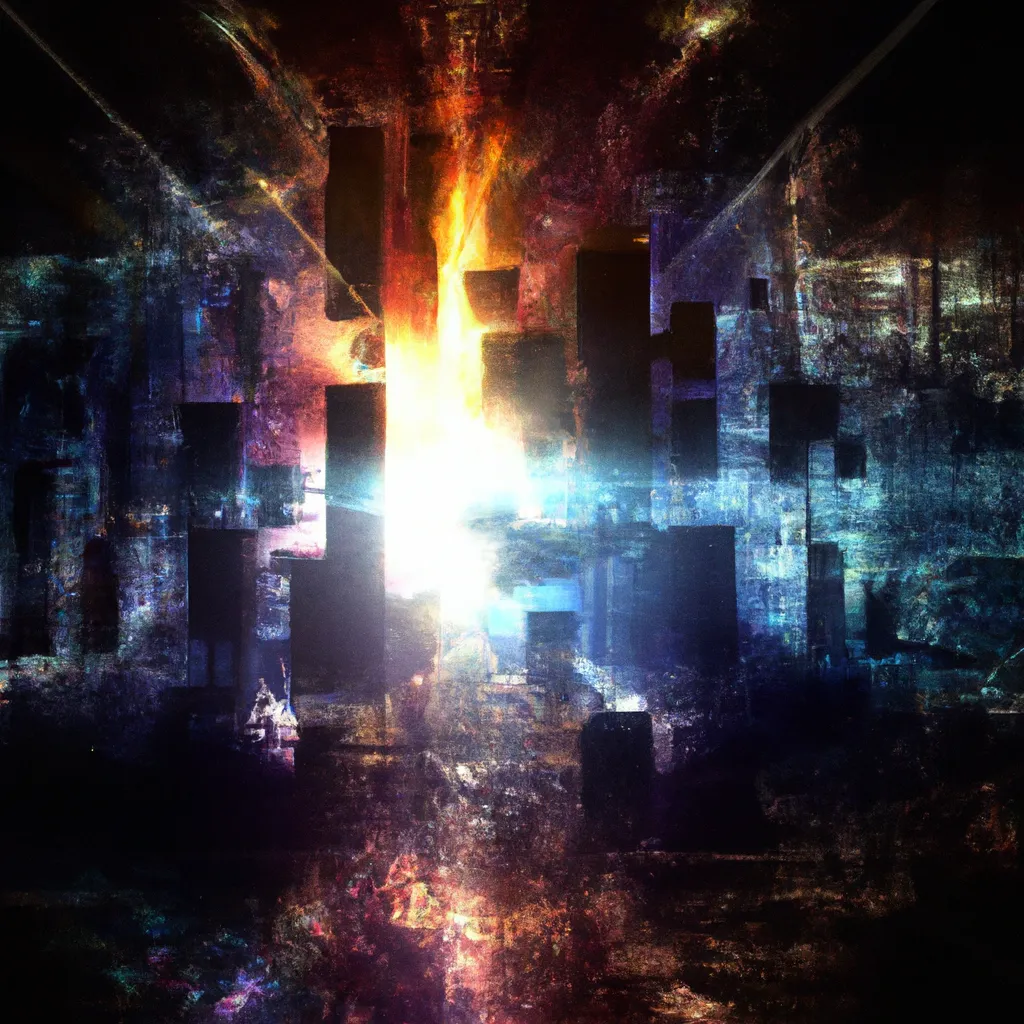
Unleashing the Future: Exploring the World of Cyberpunk
Welcome to a world where technology and humanity collide, where neon lights illuminate the dark alleys of a dystopian cityscape, and where cybernetic enhancements blur the line between man and machine. This is the world of Cyberpunk, a genre that has captivated audiences with its gritty, futuristic vision for decades.
The Origins of Cyberpunk
Cyberpunk, as a genre, emerged in the 1980s as a response to the rapid advancements in technology and the increasing influence of corporations on society. Authors like William Gibson with his seminal work “Neuromancer” and movies like “Blade Runner” helped define the aesthetic and themes of Cyberpunk – a world where high-tech and low-life coexist in a chaotic, yet strangely alluring, landscape.
With its focus on artificial intelligence, cybernetic enhancements, and the ethical implications of technology, Cyberpunk has become a reflection of our own fears and desires about the future. It explores themes of identity, power, and the consequences of unchecked technological progress.
The Cyberpunk Aesthetic
One of the most striking aspects of Cyberpunk is its visual style. From the towering skyscrapers of a futuristic city to the neon-soaked streets filled with bustling crowds, Cyberpunk presents a world that is both familiar and alien. The fusion of high-tech gadgets, retro-futuristic fashion, and gritty urban decay creates a unique atmosphere that is instantly recognizable.
Cyberpunk also incorporates elements of noir and punk culture, with anti-authoritarian themes, a focus on marginalized groups, and a sense of rebellion against the status quo. This mix of influences gives Cyberpunk its edgy, subversive appeal that has resonated with audiences across different mediums.
Cyberpunk in Pop Culture
Over the years, Cyberpunk has permeated popular culture in various forms – from literature and movies to video games and music. Works like “Ghost in the Shell,” “The Matrix,” and the “Cyberpunk 2077” game have brought the genre to a wider audience, showcasing its themes in new and innovative ways.
In music, artists like Daft Punk and Grimes have incorporated Cyberpunk elements into their visual and sonic aesthetics, creating a futuristic sound that mirrors the genre’s themes of technology and society. The influence of Cyberpunk can also be seen in fashion, with designers drawing inspiration from its mix of sleek cybernetics and gritty urban style.
The Future of Cyberpunk
As technology continues to advance at an unprecedented pace, the world of Cyberpunk becomes increasingly relevant. The rise of artificial intelligence, virtual reality, and cybernetic enhancements is blurring the line between fiction and reality, bringing us closer to the dystopian futures envisioned by Cyberpunk creators.
However, Cyberpunk is not just a warning about the dangers of technology – it is also a celebration of human resilience and adaptability in the face of a rapidly changing world. It challenges us to question our assumptions about progress, power, and identity, while also offering a glimpse of the possibilities that lie ahead.
Conclusion
Cyberpunk is more than just a genre – it is a reflection of our hopes and fears about the future, a mirror that shows us the consequences of our actions and the potential for change. By exploring the world of Cyberpunk, we can gain a deeper understanding of ourselves and the world we live in, while also unlocking the possibilities of what the future may hold.
So, dare to step into the neon-lit streets of a Cyberpunk world, where the future is waiting to be unleashed.
