

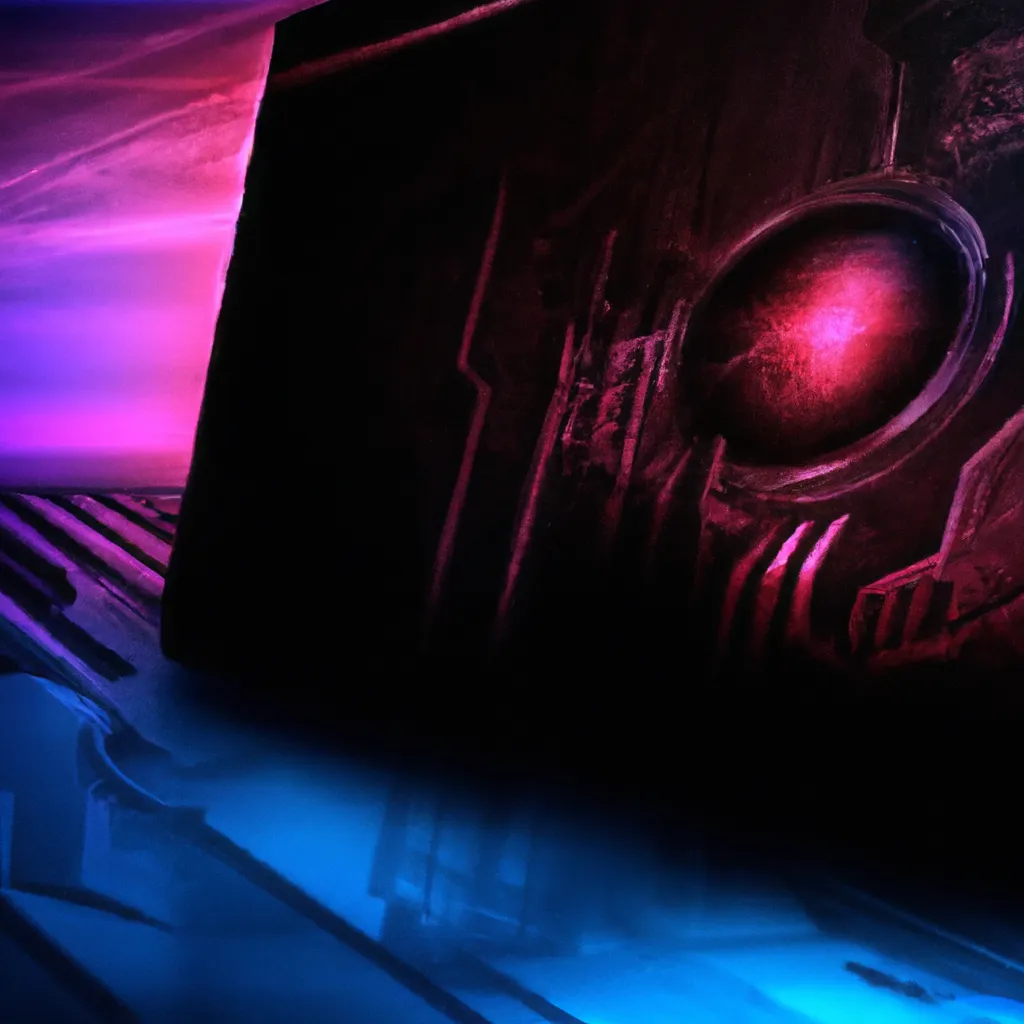
Hacking the Future: Exploring the World of Cyberpunk
In today’s digital age, the world of cyberpunk has captured the imagination of many. With its dystopian landscapes, high-tech gadgets, and hacking subculture, cyberpunk has become a popular genre in literature, film, and video games. This article will delve into the world of cyberpunk, exploring its origins, themes, and impact on popular culture.
The Origins of Cyberpunk
Cyberpunk as a genre emerged in the 1980s, drawing inspiration from the works of authors like William Gibson, Bruce Sterling, and Philip K. Dick. These writers envisioned a future where advanced technology coexists with societal decay, corporate dominance, and underground subcultures. The term “cyberpunk” itself combines “cybernetics” (the study of communication and control in living organisms and machines) with “punk” (a rebellious and anti-establishment attitude).
One of the most influential works in the cyberpunk genre is William Gibson’s novel “Neuromancer,” which introduced the concept of cyberspace and hackers known as “console cowboys.” This novel, along with other seminal works like “Snow Crash” by Neal Stephenson and “Blade Runner” by Philip K. Dick, helped popularize the cyberpunk aesthetic of neon-lit cityscapes, cybernetic enhancements, and virtual realities.
Themes in Cyberpunk
Cyberpunk explores a variety of themes that reflect the anxieties and possibilities of a technologically advanced future. One of the central themes in cyberpunk is the impact of technology on society, particularly the ways in which it can empower or oppress individuals. Corporate control, surveillance, and the loss of privacy are also common themes in cyberpunk, reflecting concerns about the growing influence of large corporations and government agencies.
Another key theme in cyberpunk is the blurring of boundaries between humans and machines. Cybernetic enhancements, artificial intelligence, and virtual realities challenge traditional notions of identity, consciousness, and reality. Questions about what it means to be human and the ethical implications of technological advancements are central to many cyberpunk narratives.
Cyberpunk in Popular Culture
Over the years, cyberpunk has permeated popular culture, influencing a wide range of media including literature, film, television, and video games. Films like “The Matrix,” “Ghost in the Shell,” and “Blade Runner” have become iconic examples of cyberpunk storytelling, with their dark, gritty visuals and exploration of complex themes.
In the world of literature, authors like Neal Stephenson, Cory Doctorow, and Annalee Newitz continue to push the boundaries of cyberpunk storytelling, exploring new ideas and technologies in their work. Video games like “Deus Ex,” “Cyberpunk 2077,” and “System Shock” immerse players in immersive cyberpunk worlds, allowing them to experience firsthand the thrills and dangers of a high-tech future.
The Impact of Cyberpunk
Cyberpunk has had a lasting impact on popular culture, shaping our perceptions of technology, society, and the future. Its themes of corporate control, technological advancement, and human augmentation continue to resonate with audiences around the world, prompting discussions about the ethical implications of our increasingly digital lives.
As we continue to navigate the complexities of the digital age, the world of cyberpunk offers a glimpse into a possible future, one where technology and humanity are inextricably linked. Whether we embrace the potential of technology or fear its consequences, cyberpunk reminds us of the power and peril of the world we are creating.
Conclusion
In conclusion, the world of cyberpunk is a fascinating and thought-provoking exploration of the intersection between technology, society, and individuality. With its dystopian visions, high-tech gadgets, and hacker ethos, cyberpunk has become a defining genre in popular culture, inspiring countless works of literature, film, and video games. As we look to the future, cyberpunk challenges us to consider the implications of our technological advancements and the ways in which they shape our world.
Texto do Link
