

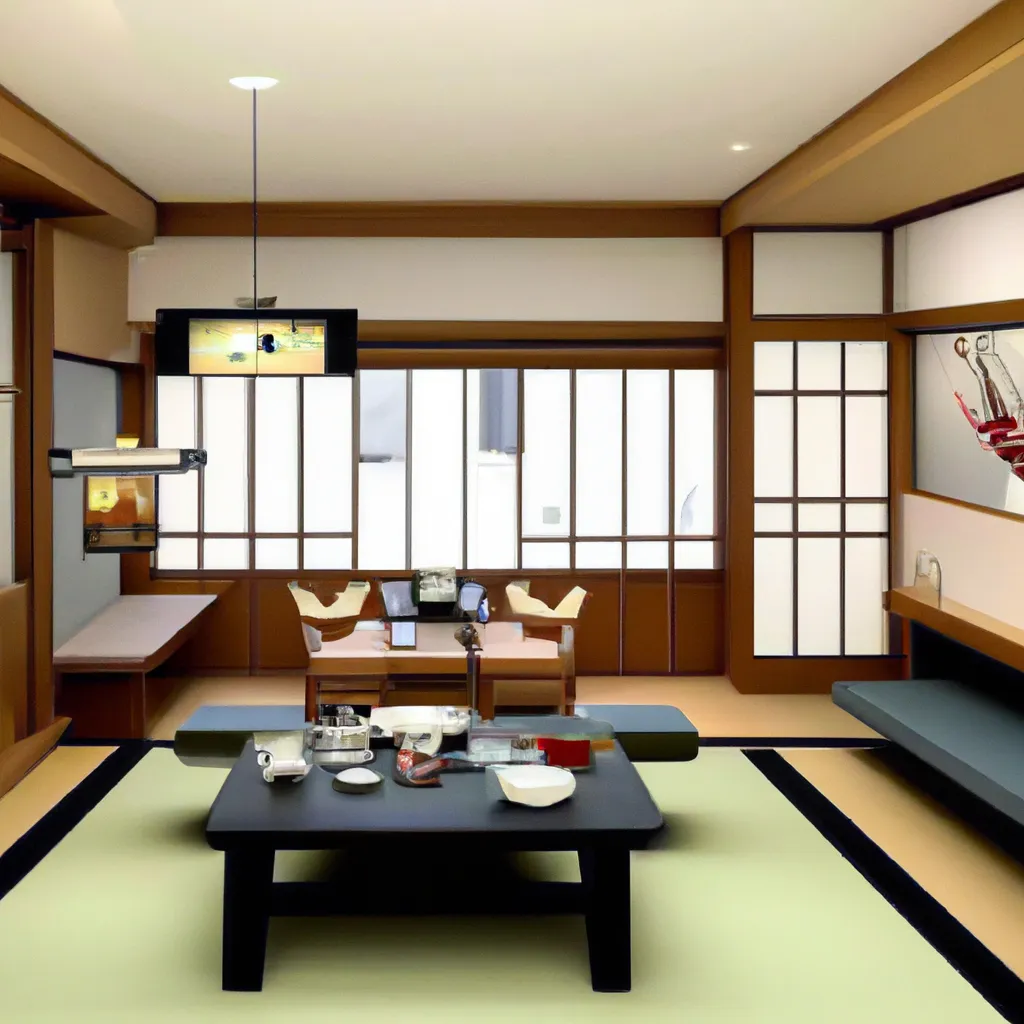
Exploring the Fascinating World of Japanese Culture
Japan is a country rich in history, tradition, and innovation. From its delicious cuisine to its unique art forms, Japanese culture has captivated people all around the world. In this article, we will take a closer look at some of the most fascinating aspects of Japanese culture that make it so special.
The Art of Tea Ceremony
The Japanese tea ceremony, known as “chanoyu” or “sado,” is a traditional ritual that dates back to the 9th century. It is not just about drinking tea, but also about appreciating the aesthetics of the tea utensils, the peacefulness of the tea room, and the interaction between the host and the guests. The ceremony embodies the principles of harmony, respect, purity, and tranquility.
To experience a traditional Japanese tea ceremony is to enter a world of grace and elegance, where every movement is deliberate and every gesture is steeped in meaning. It is a truly mesmerizing experience that offers a glimpse into the soul of Japanese culture.
The Beauty of Ikebana
Ikebana, the Japanese art of flower arranging, is another aspect of Japanese culture that celebrates beauty and simplicity. Unlike traditional Western floral arrangements, which focus on symmetry and fullness, Ikebana emphasizes asymmetry, minimalism, and the use of empty space.
Each arrangement is a reflection of the artist’s interpretation of nature and the changing seasons. Ikebana is not just about arranging flowers; it is a way of connecting with the natural world and finding harmony in the midst of chaos.
The Intricate Art of Origami
Origami, the Japanese art of paper folding, has been practiced in Japan for centuries. From simple cranes to complex dragons, origami encompasses a wide range of designs and techniques. The beauty of origami lies in its simplicity and precision, as well as its ability to transform a flat piece of paper into a three-dimensional work of art.
Origami is not just a form of creative expression; it is also a meditative practice that requires focus, patience, and skill. It is a reminder that beauty can be found in the most ordinary of materials, and that art has the power to transcend boundaries.
The Allure of Traditional Kimono
The kimono, a traditional Japanese garment, is a symbol of elegance and sophistication. Worn on special occasions such as weddings, tea ceremonies, and festivals, the kimono is a timeless piece of clothing that has been passed down through generations.
Each kimono is a work of art in itself, with intricate patterns, vibrant colors, and luxurious fabrics. The process of putting on a kimono is a ritual in itself, with each fold and tie holding symbolic meaning. The kimono is a reflection of Japanese culture’s attention to detail and reverence for tradition.
The Influence of Anime and Manga
Anime and manga, Japanese animated series and comic books, have become global phenomena in recent years. From the fantastical worlds of Studio Ghibli to the epic adventures of Shonen Jump, anime and manga have captured the hearts of audiences of all ages.
These art forms are not just entertainment; they are a reflection of Japanese society, culture, and values. Anime and manga explore themes such as friendship, perseverance, and the power of imagination, resonating with audiences around the world.
For more information on mature manga and anime, check out The Fascinating World of Seinen: Exploring Mature Manga and Anime.
The Culinary Delights of Japan
Japanese cuisine, known as “washoku,” is celebrated for its freshness, simplicity, and balance of flavors. From sushi and sashimi to tempura and ramen, Japanese food is a feast for the senses. Each dish is prepared with care and attention to detail, using the finest ingredients available.
Food is not just nourishment in Japan; it is a form of art that reflects the changing seasons, regional specialties, and cultural traditions. The presentation of the food is just as important as the taste, with each dish arranged to please both the eyes and the palate.
The Rich Tradition of Kabuki Theater
Kabuki is a traditional Japanese theater form that combines drama, dance, music, and elaborate costumes. Dating back to the early 17th century, Kabuki has entertained audiences with its colorful characters, dynamic performances, and timeless stories.
Each Kabuki play is a spectacle in itself, with actors portraying historical figures, mythical creatures, and everyday people with equal skill and passion. The elaborate makeup, costumes, and sets add to the magic of Kabuki, creating a world where reality and fantasy blend seamlessly.
The Serenity of Zen Gardens
Zen gardens, known as “karesansui,” are a traditional Japanese form of garden design that emphasizes simplicity, tranquility, and contemplation. These gardens are typically composed of rocks, gravel, and moss, with carefully raked patterns that represent water or waves.
Walking through a Zen garden is a meditative experience that encourages mindfulness and reflection. The minimalist design and harmonious arrangement of elements create a sense of peace and serenity, inviting visitors to connect with nature and find inner calm.
Conclusion
Japanese culture is a treasure trove of art, tradition, and innovation. From the graceful movements of a tea ceremony to the vibrant colors of a kimono, Japan offers a glimpse into a world that is both ancient and modern, timeless and ever-changing.
By exploring the fascinating world of Japanese culture, we gain a deeper appreciation for the beauty, complexity, and depth of this rich and diverse society. Whether through art, food, theater, or literature, Japan continues to inspire and captivate people around the world with its unique blend of tradition and innovation.
For more articles on Japanese culture and art forms, check out the following posts:
- Behind the Voices: Fascinating Facts about Voice Actors!
- Pushing the Boundaries: The World of Experimental Animations
- From Page to Screen: The Best Anime Adaptations of Books
- Top Anime Studios: The Cream of the Crop
