

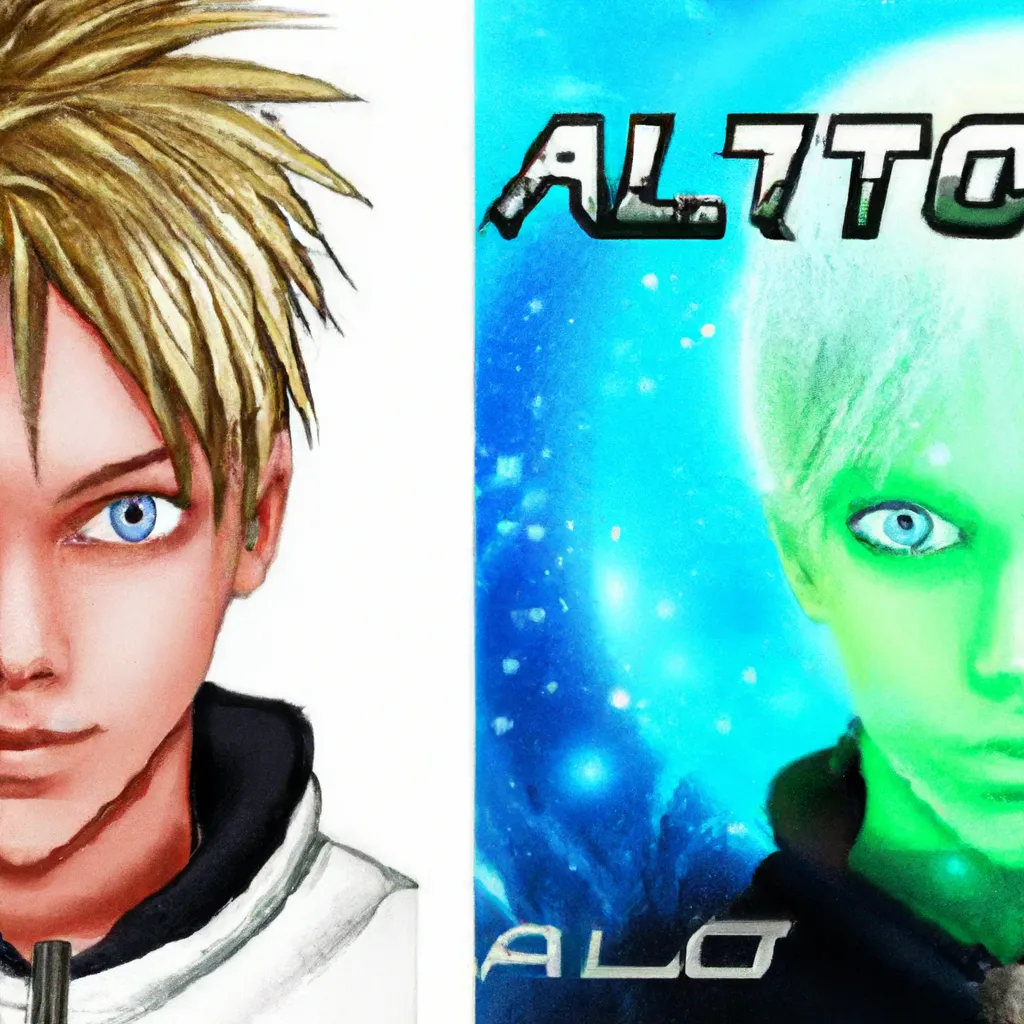
Western Animation vs Anime: Unveiling the Differences
When it comes to animated content, two major players dominate the industry: Western animation and Anime. While both forms of animation have a dedicated fan base and have made significant contributions to popular culture, there are some key differences that set them apart. In this article, we will delve into the world of Western animation and Anime, exploring their unique characteristics and uncovering what makes each of them stand out.
Defining Western Animation
Western animation refers to animated content that originates from Western countries, such as the United States, Canada, and Europe. This form of animation has a long and rich history, with iconic characters and franchises that have shaped the childhoods of many generations. From classic Disney films to modern animated series like “The Simpsons” and “Rick and Morty,” Western animation covers a wide range of genres and styles.
Defining Anime
On the other hand, Anime is a style of animation that originated in Japan and has become a global phenomenon. Anime is known for its diverse range of genres, intricate storytelling, and unique art style. From action-packed Shounen series like “Naruto” and “One Piece” to thought-provoking dramas like “Neon Genesis Evangelion” and “Your Lie in April,” Anime covers a wide spectrum of themes and appeals to audiences of all ages.
Art Style
One of the most noticeable differences between Western animation and Anime is the art style. Western animation tends to have a more exaggerated and caricatured art style, with characters often featuring big eyes, bold colors, and expressive facial expressions. In contrast, Anime character designs are more realistic, with a focus on intricate details and nuanced emotions. Anime also incorporates elements of Japanese culture and aesthetics, which can be seen in the clothing, hairstyles, and settings depicted in the artwork.
Storytelling
Another key difference between Western animation and Anime is the storytelling approach. Western animation often focuses on episodic storytelling, with self-contained episodes that follow a linear narrative. While there are exceptions, such as ongoing series like “Avatar: The Last Airbender,” Western animated shows typically have a more light-hearted and comedic tone.
On the other hand, Anime is known for its serialized storytelling, with overarching plotlines that span multiple episodes or seasons. Anime series often explore complex themes and character development, delving into topics such as love, loss, friendship, and existentialism. This depth of storytelling is one of the reasons why Anime has garnered a dedicated fan base around the world.
Genre Diversity
Western animation and Anime also differ in terms of genre diversity. While Western animation covers a wide range of genres, including comedy, action, and fantasy, Anime is known for its unique genres that cater to specific demographics. For example, Shounen Anime targets a young male audience and typically features action-packed storylines and male protagonists, while Shoujo Anime targets a young female audience and focuses on romance and relationships.
Additionally, Anime has popularized genres like Mecha (giant robots), Isekai (parallel worlds), and Slice of Life (everyday experiences), which have become staples of the medium. This diversity of genres allows Anime to appeal to a wide range of audiences and ensures that there is something for everyone to enjoy.
Cultural Influence
Both Western animation and Anime have had a significant impact on popular culture, influencing everything from fashion and music to film and television. Western animated films like “The Lion King” and “Frozen” have become global phenomena, while Anime series like “Dragon Ball Z” and “Attack on Titan” have captured the hearts of fans worldwide.
However, Anime’s cultural influence extends beyond entertainment, with the medium playing a key role in promoting Japanese culture and tourism. Anime has inspired fans to learn more about Japanese history, mythology, and language, leading to a growing interest in Japanese culture around the world.
Conclusion
In conclusion, Western animation and Anime are two distinct forms of animation that have captivated audiences around the world. While Western animation is known for its exaggerated art style and episodic storytelling, Anime stands out for its realistic character designs, serialized narratives, and diverse genres. Both forms of animation have made significant contributions to popular culture and have left an indelible mark on the entertainment industry.
Whether you’re a fan of Western animation or Anime, there is no denying the creativity and artistry that goes into creating these animated masterpieces. So, the next time you sit down to watch your favorite animated show or film, take a moment to appreciate the unique qualities that make Western animation and Anime so special.
