

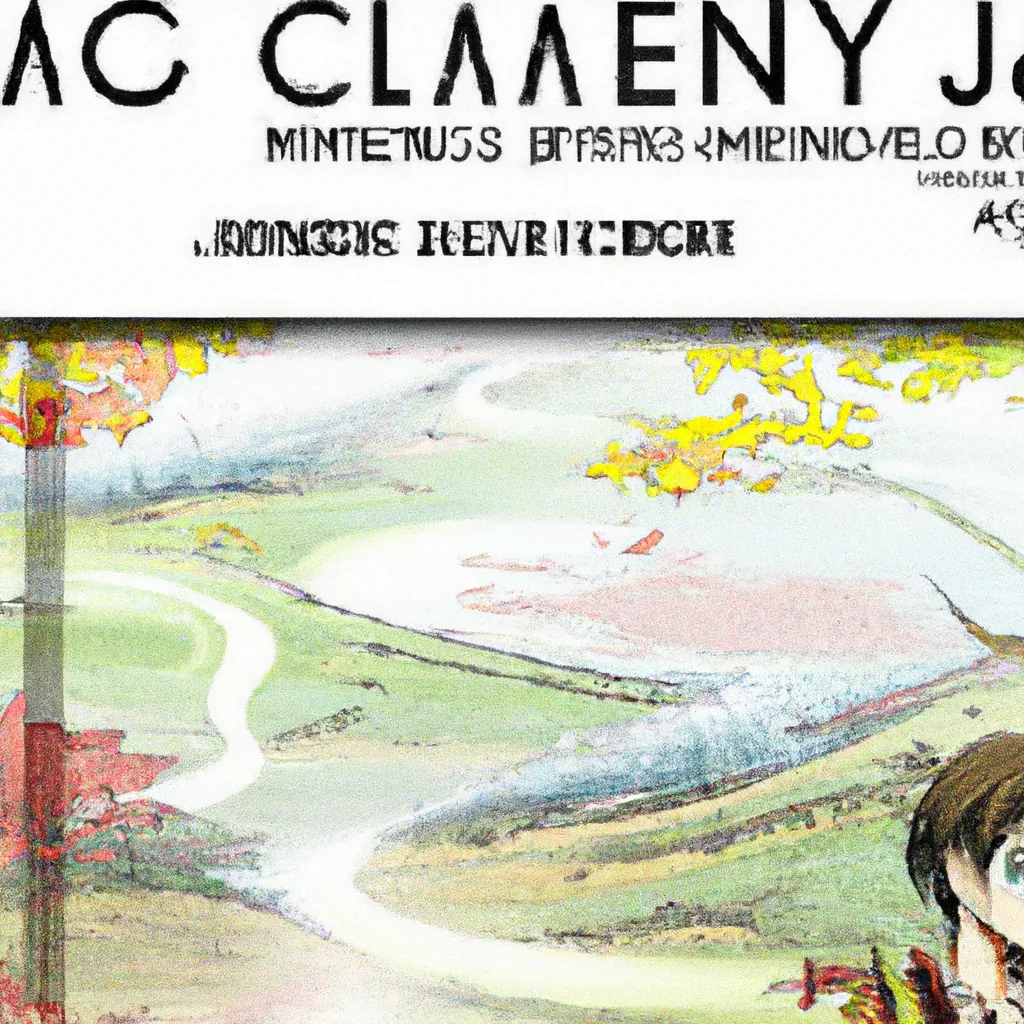
Unveiling the Fascinating World of Manga: A Journey Through Japanese Comic Books
Manga, the Japanese form of comic books and graphic novels, has captivated audiences around the world with its unique storytelling, vibrant art style, and diverse genres. Originating in Japan, manga has evolved into a global phenomenon, influencing not only the comic book industry but also animation, film, and popular culture. In this article, we will explore the rich and fascinating world of manga, taking a journey through its history, genres, and impact on society.
The History of Manga
Manga has a long and storied history in Japan, dating back to the 12th century when illustrated scrolls known as “emakimono” were popular among the aristocracy. The modern form of manga as we know it today began to take shape in the late 19th century with the publication of works like Rakuten Kitazawa’s satirical newspaper cartoons. However, it was not until after World War II that manga truly flourished, with the introduction of iconic titles like Osamu Tezuka’s “Astro Boy,” which revolutionized the medium and laid the foundation for the modern manga industry.
Since then, manga has continued to evolve and diversify, with a wide range of genres and styles catering to different age groups and interests. From shonen (targeted at young boys) to shojo (targeted at young girls), to seinen (targeted at adult men) and josei (targeted at adult women), manga offers something for everyone, making it a versatile and inclusive form of entertainment.
The Diverse Genres of Manga
One of the most fascinating aspects of manga is its diverse range of genres, covering everything from action and adventure to romance, horror, science fiction, and fantasy. Some of the most popular genres include:
- Shonen: Shonen manga is typically aimed at young boys and often features themes of friendship, teamwork, and coming-of-age stories. Popular shonen titles include “Naruto,” “One Piece,” and “Dragon Ball.”
- Shojo: Shojo manga is targeted at young girls and focuses on romance, relationships, and emotional storytelling. Titles like “Sailor Moon,” “Fruits Basket,” and “Cardcaptor Sakura” are beloved by shojo fans around the world.
- Seinen: Seinen manga is geared towards adult men and tends to explore more mature themes, including violence, politics, and psychological drama. Series like “Berserk,” “Tokyo Ghoul,” and “Death Note” are popular examples of seinen manga.
- Josei: Josei manga is designed for adult women and often delves into complex relationships, women’s issues, and slice-of-life stories. Works like “Nana,” “Honey and Clover,” and “Paradise Kiss” are well-known josei titles.
These are just a few examples of the many genres and sub-genres that make up the world of manga, showcasing its versatility and ability to cater to a wide range of tastes and preferences.
The Impact of Manga on Society
Over the years, manga has had a significant impact on Japanese society and culture, influencing not only entertainment but also fashion, art, and even politics. The popularity of manga has led to the creation of dedicated manga cafes, museums, and theme parks in Japan, where fans can immerse themselves in their favorite stories and characters.
Furthermore, manga has inspired a new generation of artists and creators, who have gone on to produce their own works and push the boundaries of the medium. The success of manga adaptations in film and television, as well as the rise of manga-inspired fashion and merchandise, have solidified manga’s place as a cultural phenomenon with a global reach.
Conclusion
In conclusion, manga is a fascinating and dynamic form of storytelling that has captured the hearts and minds of readers around the world. With its rich history, diverse genres, and profound impact on society, manga continues to be a powerful and influential medium that shows no signs of slowing down. Whether you’re a seasoned manga fan or new to the world of Japanese comic books, there is something for everyone to discover and enjoy in the captivating world of manga.
