

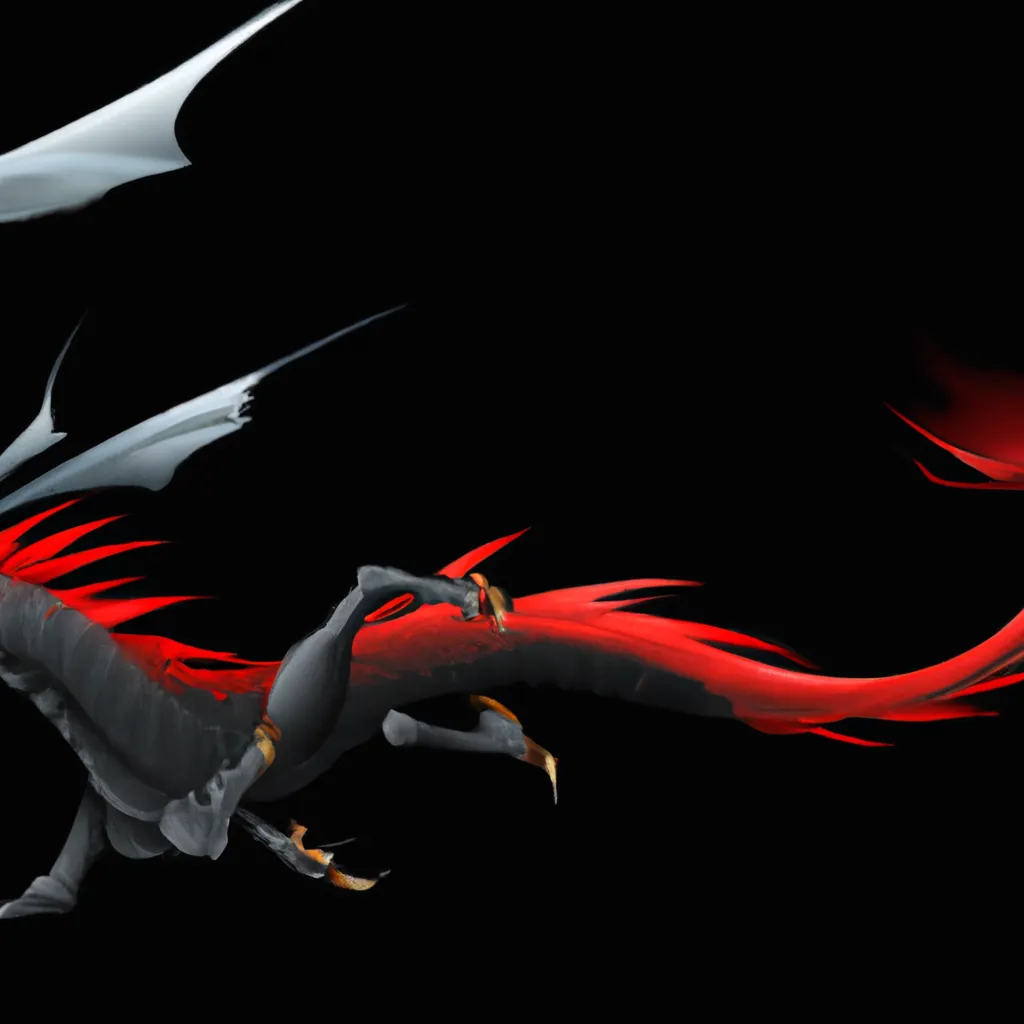
Unveiling the Mysterious World of Yokai: Supernatural Creatures of Japanese Folklore
Japanese folklore is rich with a variety of supernatural creatures known as Yokai. These mysterious beings have been a part of Japanese culture for centuries, appearing in stories, art, and even modern-day media. In this article, we will delve into the fascinating world of Yokai, exploring their origins, characteristics, and significance in Japanese folklore.
The Origins of Yokai
Yokai, which translates to “bewitching apparition” or “mysterious mystery,” encompass a wide range of supernatural entities in Japanese folklore. These creatures can take on various forms, from mischievous spirits to terrifying monsters. The origins of Yokai can be traced back to ancient Japan, where they were believed to inhabit the natural world alongside humans.
Yokai are often associated with specific locations, such as mountains, forests, or bodies of water. They are said to possess supernatural powers and abilities, making them both feared and revered by the people of Japan. Over time, Yokai have become an integral part of Japanese folklore, appearing in countless legends, myths, and folktales.
The Classification of Yokai
Yokai can be classified into several categories based on their characteristics and behaviors. Some Yokai are known for their playful nature, while others are more malevolent. Here are some common types of Yokai:
- Oni: Oni are often depicted as ogre-like creatures with horns and sharp claws. They are considered to be symbols of evil and are known for causing mischief and chaos.
- Kitsune: Kitsune are fox spirits that possess shape-shifting abilities. They are often portrayed as cunning and intelligent beings with the power to bring good fortune or misfortune to humans.
- Tengu: Tengu are bird-like Yokai with long noses and wings. They are associated with mountains and forests, where they are said to test the virtues of travelers and monks.
- Noppera-bo: Noppera-bo, also known as “faceless ghosts,” are Yokai that appear as ordinary humans with featureless faces. They are known for their ability to deceive and frighten unsuspecting victims.
The Significance of Yokai in Japanese Culture
Yokai play a significant role in Japanese culture, serving as a reflection of the beliefs, values, and fears of the Japanese people. These supernatural creatures are often used to explain natural phenomena or to teach moral lessons. Yokai are also a source of inspiration for artists, writers, and filmmakers, who continue to portray them in various forms of media.
One of the most famous Yokai is the kappa, a water-dwelling creature that is said to inhabit rivers and ponds. Kappa are known for their love of cucumbers and sumo wrestling, as well as their mischievous behavior towards humans. Despite their playful nature, kappa are also believed to be dangerous creatures that can drown unsuspecting victims.
Modern Depictions of Yokai
In addition to traditional folklore, Yokai continue to be a popular subject in modern Japanese culture. From video games and anime to manga and movies, Yokai have found their way into various forms of entertainment. One of the most famous examples is the anime series “Yokai Watch,” which follows a young boy who befriends a Yokai and goes on adventures to solve supernatural mysteries.
Yokai have also inspired a number of video games, such as “Nioh” and “Yokai Watch: Wibble Wobble,” where players can encounter and battle these supernatural creatures. These modern depictions of Yokai serve to keep the tradition of Japanese folklore alive and introduce new generations to the rich world of supernatural beings.
Conclusion
The world of Yokai is a fascinating and mysterious one, filled with a diverse array of supernatural creatures that have captivated the imagination of the Japanese people for centuries. From mischievous spirits to terrifying monsters, Yokai continue to play a significant role in Japanese folklore and culture, serving as a bridge between the natural and supernatural worlds.
Whether they are portrayed in ancient legends or modern media, Yokai remain an enduring symbol of Japan’s rich cultural heritage and artistic creativity. By exploring the world of Yokai, we gain a deeper understanding of Japanese folklore and the enduring legacy of these supernatural beings.
For more articles on Japanese culture and folklore, check out our posts on Artificial Intelligence in Japan and Urban Legends.
