

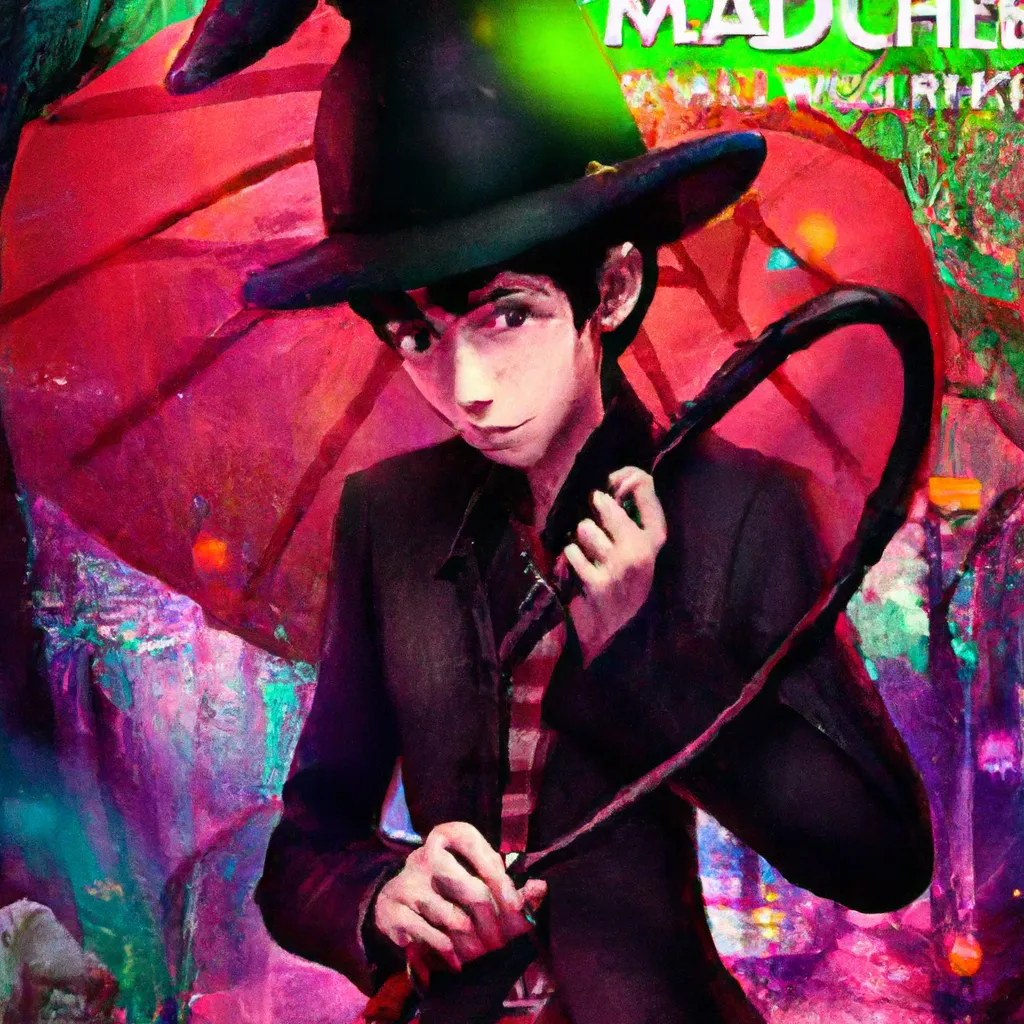
Unleashing the Magic: Exploring Manga Adaptations
Manga, with its unique art style and captivating storytelling, has captured the hearts of readers around the world. From action-packed adventures to heartfelt romances, the diverse genres within manga offer something for everyone. One of the ways manga reaches a wider audience is through adaptations into various forms of media, including anime, live-action films, and even stage plays. In this article, we will delve into the world of manga adaptations, exploring the process of bringing these beloved stories to life in different mediums.
The Journey from Page to Screen
Adapting manga into other forms of media involves a careful balance of preserving the essence of the original story while making necessary changes to suit the new medium. Anime adaptations, in particular, have become a popular way to bring manga to life on screen. By animating the artwork and adding voice acting and music, anime adaptations can enhance the storytelling experience for viewers.
One example of a successful manga-to-anime adaptation is “Attack on Titan,” a dark fantasy series that has garnered a massive following worldwide. The anime adaptation faithfully captures the intense action and emotional depth of the manga, drawing viewers into its post-apocalyptic world.
However, not all manga adaptations are able to replicate the success of their source material. Some adaptations may struggle to capture the essence of the manga or fail to resonate with audiences. It is important for creators to carefully consider how to translate the unique elements of the manga into a new format while staying true to the original vision.
Exploring Different Mediums
Aside from anime, manga adaptations can also take the form of live-action films, TV dramas, and stage plays. Live-action adaptations offer a different interpretation of the source material, allowing filmmakers to bring a fresh perspective to familiar stories. While live-action adaptations may face challenges in recreating the fantastical elements of manga, they can provide a more realistic portrayal of characters and settings.
Stage plays based on manga have also gained popularity in recent years, offering fans a chance to see their favorite stories come to life on stage. With elaborate costumes, set designs, and choreography, stage adaptations can immerse audiences in the world of the manga in a unique way.
Challenges and Opportunities
Adapting manga into different mediums presents both challenges and opportunities for creators. One of the main challenges is balancing the expectations of existing fans with the need to attract new audiences. Creators must find a way to appeal to both groups while staying true to the essence of the original manga.
Another challenge is adapting the artwork of the manga into a new medium. The intricate details and dynamic action scenes that are characteristic of manga may be difficult to replicate in animation or live-action. Creators must find ways to retain the visual style of the manga while adapting it to suit the requirements of the new medium.
Despite these challenges, manga adaptations also offer unique opportunities for creators to expand the reach of their work and introduce new audiences to the world of manga. By bringing these stories to life in different mediums, creators can engage with fans in new ways and explore new creative possibilities.
Conclusion
From anime to live-action films to stage plays, manga adaptations have the power to unleash the magic of these beloved stories in new and exciting ways. By exploring the diverse mediums through which manga can be adapted, creators can reach a wider audience and share their stories with fans around the world. While challenges may arise in the adaptation process, the opportunities for creativity and innovation are limitless. As we continue to see more manga adaptations in the future, we can look forward to experiencing the magic of these captivating stories in fresh and exciting ways.
