

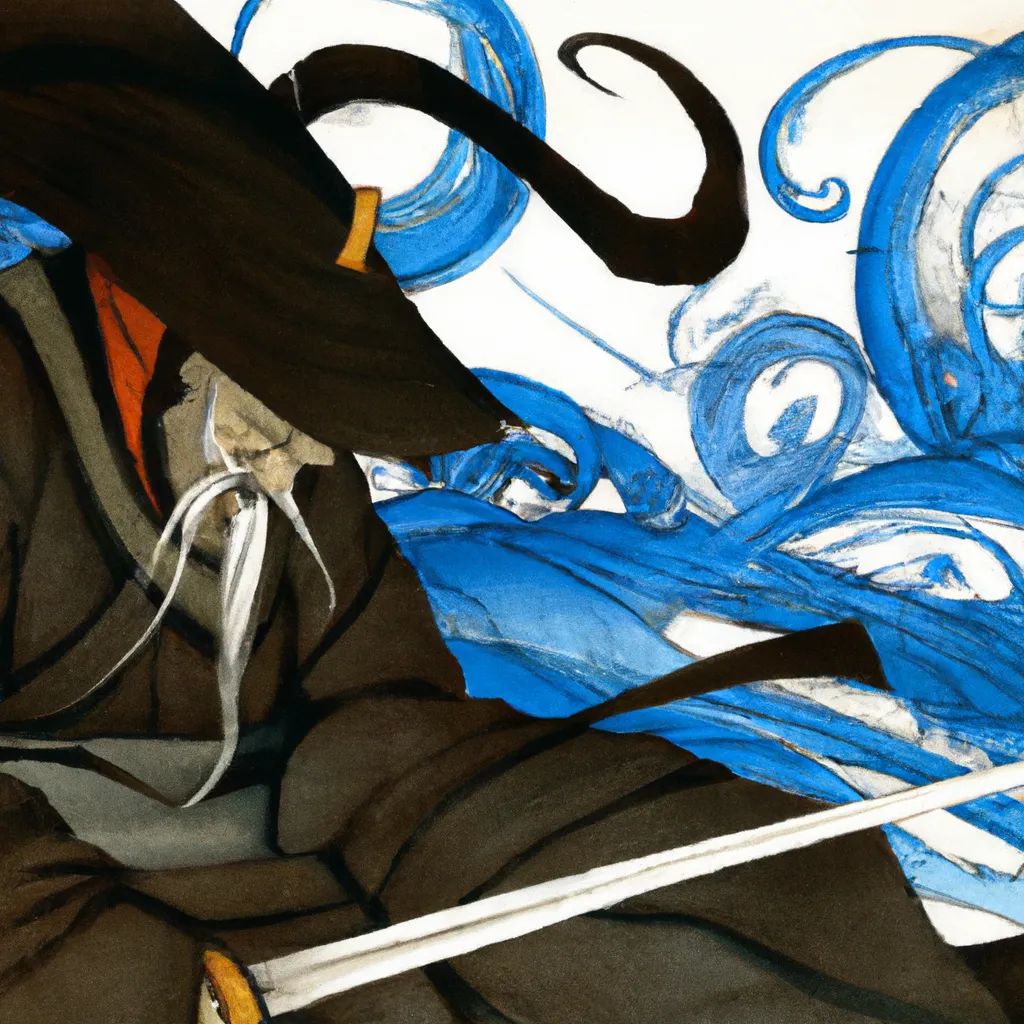
The Way of the Warrior: Unveiling the Mystique of Samurai Warriors
Samurai warriors have long been a symbol of honor, loyalty, and skill in Japanese history and culture. The image of a noble warrior wielding a katana with precision and grace has captivated people around the world. But what lies beneath the mystique of these legendary warriors? In this article, we will explore the fascinating world of samurai warriors, their traditions, and their code of conduct.
The Origins of the Samurai
The samurai, also known as bushi, emerged in Japan during the Heian period (794-1185). Originally serving as guards for the imperial court, the samurai gradually evolved into a class of warriors who held significant power and influence in Japanese society. They were skilled in combat, well-versed in literature and the arts, and adhered to a strict code of ethics known as Bushido.
One of the defining characteristics of the samurai was their unwavering loyalty to their lord. In exchange for their service, samurai were granted land and privileges that set them apart from the common people. This system of feudalism, known as the shogunate, shaped the political landscape of Japan for centuries.
The Code of Bushido
Bushido, which means “the way of the warrior,” was a code of conduct followed by the samurai. It emphasized values such as loyalty, honor, courage, and self-discipline. Samurai were expected to uphold these principles in both their personal and professional lives, often at the cost of their own lives.
Central to the concept of Bushido was the idea of death before dishonor. Samurai believed that it was better to die with honor on the battlefield than to live in shame. This mentality shaped their approach to combat and decision-making, earning them a reputation for fearlessness and determination.
Training and Skills
Samurai warriors underwent rigorous training from a young age to prepare them for the challenges of combat. They practiced martial arts, swordsmanship, archery, and horsemanship to develop their skills and physical prowess. The katana, a curved sword with a single edge, was the weapon of choice for most samurai and was considered a symbol of their status and honor.
In addition to their combat skills, samurai were also expected to be well-educated and cultured. They studied poetry, calligraphy, tea ceremony, and other arts to cultivate their minds and refine their character. This balance of martial and intellectual training set the samurai apart from other warriors of their time.
The Decline of the Samurai
The golden age of the samurai came to an end in the late 19th century with the Meiji Restoration. During this period of modernization and political reform, the traditional feudal system was abolished, and the samurai lost their privileged status. Many samurai were forced to adapt to the changing times or face poverty and marginalization.
Despite the decline of the samurai as a social class, their legacy continues to resonate in Japanese culture and beyond. The values of Bushido, the image of the noble warrior, and the spirit of discipline and dedication embodied by the samurai live on in stories, films, and martial arts practices around the world.
Conclusion
The mystique of samurai warriors is a testament to their enduring legacy and the timeless appeal of their code of honor. From their origins as imperial guards to their evolution as the elite warriors of feudal Japan, the samurai embody a unique blend of martial prowess, intellectual refinement, and unwavering loyalty.
By exploring the traditions, values, and skills of the samurai, we gain a deeper appreciation for their place in history and their influence on modern culture. The way of the warrior lives on in the hearts of those who admire the spirit of the samurai and strive to uphold the principles of Bushido in their own lives.
For more articles on Japanese history and culture, check out our Journey to Another World: Exploring the Fascinating Universe of Isekai and Unveiling Hidden Gems: Underrated Animes You Need to Watch.
