

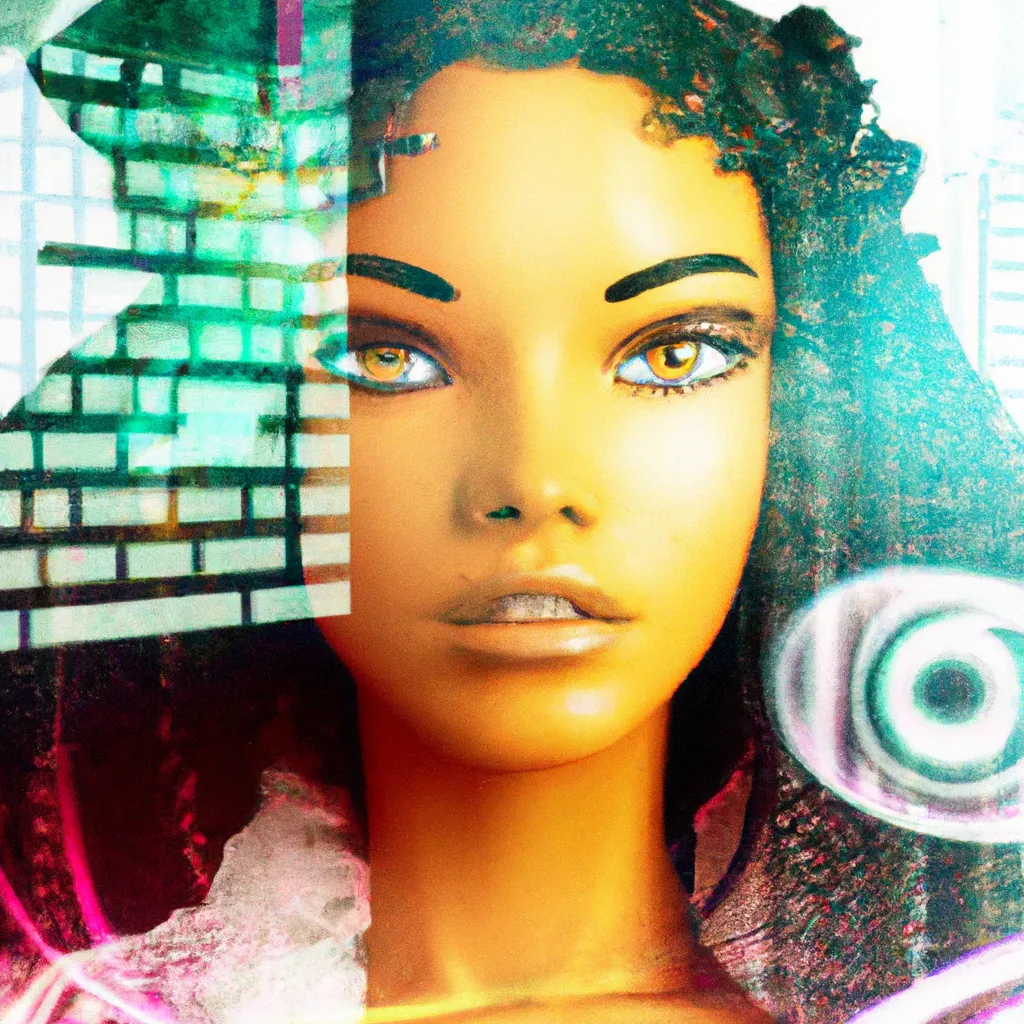
The Fusion of Anime and Technology: Exploring the Future of Entertainment
In recent years, the world of entertainment has been undergoing a dramatic transformation, with the fusion of anime and technology paving the way for exciting new possibilities. Anime, a style of animation that originated in Japan, has captured the hearts of audiences around the globe with its unique storytelling, vibrant characters, and stunning visuals. At the same time, advancements in technology have revolutionized the way we consume and interact with media, opening up a world of possibilities for the future of entertainment.
The Rise of Anime in Pop Culture
Over the past few decades, anime has grown from a niche interest to a global phenomenon, with a dedicated fan base that spans across different age groups and cultures. The popularity of anime can be attributed to its diverse range of genres, from action-packed shonen series to thought-provoking dramas and everything in between. Anime has also proven to be a powerful medium for exploring complex themes and emotions, resonating with viewers on a deep and personal level.
One of the key factors driving the popularity of anime is its ability to push the boundaries of storytelling and visual artistry. With its distinctive art style, dynamic character designs, and intricate world-building, anime offers a level of creativity and imagination that is unmatched in other forms of media. This has helped anime carve out a unique space in the entertainment industry, attracting both casual viewers and hardcore fans alike.
The Impact of Technology on Anime
Technology has played a crucial role in shaping the evolution of anime, from the way it is produced to how it is distributed and consumed. The rise of digital animation tools and computer-generated imagery (CGI) has enabled anime studios to create more visually stunning and complex animations than ever before. This has led to a new era of anime production, with studios pushing the boundaries of what is possible in terms of visual effects and animation quality.
Furthermore, the advent of streaming platforms and online communities has revolutionized the way anime is distributed and consumed. Fans no longer have to rely on traditional broadcast schedules or physical media to access their favorite shows, as they can now stream anime online through platforms like Crunchyroll, Funimation, and Netflix. This has made anime more accessible to a global audience, allowing fans from different countries to discover and enjoy a wide range of anime series.
The Future of Entertainment: Anime and Technology
As we look towards the future, the fusion of anime and technology holds immense potential for shaping the future of entertainment. Virtual reality (VR) and augmented reality (AR) technologies, for example, have the power to transform the way we experience anime, allowing fans to immerse themselves in their favorite worlds like never before. Imagine being able to step into the shoes of your favorite anime characters and explore their worlds in 3D, or attending a virtual anime convention from the comfort of your own home.
AI and machine learning are also poised to revolutionize the way anime is created and consumed. With the help of AI-powered tools, animators can streamline the animation process, reduce production costs, and create more personalized experiences for viewers. AI algorithms can analyze viewer preferences and behavior to recommend new anime series, predict trends in the industry, and even generate custom animations based on user input.
The Ethical Implications of Anime and Technology
While the fusion of anime and technology promises to open up exciting new possibilities for the future of entertainment, it also raises important ethical considerations that must be addressed. As AI and machine learning technologies become more integrated into the anime industry, questions about data privacy, algorithm bias, and the impact on human creativity and labor rights will need to be carefully considered.
Furthermore, the increasing reliance on digital tools and automation in anime production could have far-reaching implications for the future of the industry. Will traditional animation techniques be replaced by AI-generated animations? How will animators and artists adapt to the changing landscape of the industry? These are just some of the questions that anime studios and creators will need to grapple with as technology continues to evolve.
Conclusion
The fusion of anime and technology represents a bold new frontier in the world of entertainment, offering endless possibilities for innovation and creativity. As anime continues to captivate audiences around the world, technology will play an increasingly important role in shaping the future of the medium. By embracing new technologies and exploring innovative ways to engage with fans, anime creators and studios can unlock the full potential of this dynamic and vibrant art form.
