

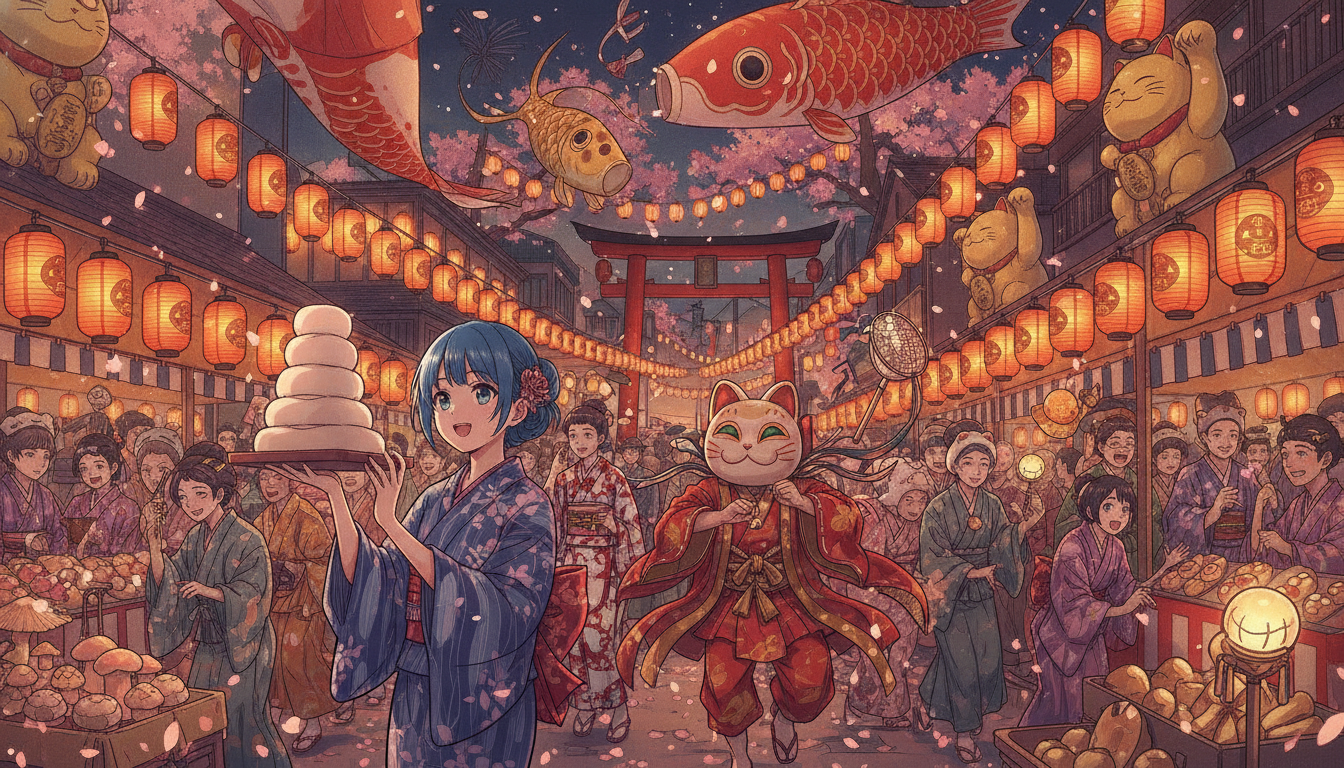
Japan is a country that seems to operate on a frequency the rest of the world can barely tune into. From vending machines that sell everything from ramen to neckties, to robots hosting hotel front desks, Japan has long held the crown for “most likely to make a tourist stop and say, ‘Wait, what?'” But beyond the tech and the pop culture — the anime, the manga, the karaoke booths — there’s an entire layer of traditions and cultural quirks that run far deeper and far stranger than anything you’d find in a travel brochure. These are the rituals, festivals, and social codes that have been baked into Japanese life for centuries, and they range from heartwarming to downright baffling depending on where you’re standing.
What makes Japan’s traditions so fascinating is that they often exist at the intersection of ancient spirituality and modern daily life, with no explanation offered and none expected. A salaryman in a tailored suit might stop at a roadside shrine to clap his hands twice and bow before catching the subway. A grandmother might carefully wrap a gift in three layers of fabric using a technique passed down for generations. Kids in some regions still participate in festivals where they carry enormous wooden phalluses through city streets — yes, really. Japan doesn’t apologize for any of it, and honestly, it shouldn’t. That fearlessness in honoring the old while embracing the new is part of what makes the country endlessly magnetic.
Whether you’re a die-hard anime fan who’s picked up cultural cues from shows like Spirited Away or Demon Slayer, or someone who simply fell down a Japan-related rabbit hole online at 2 a.m., buckle up. We’re diving into some of Japan’s most jaw-dropping, eyebrow-raising, and genuinely wonderful traditions — and we promise you won’t look at a cucumber the same way again.
The Fertility Festival That Puts Everything on the Table
Kanamara Matsuri: Japan’s Most Famously Awkward Celebration
Every spring in Kawasaki, crowds gather for Kanamara Matsuri, also known as the Festival of the Steel Phallus. Held at the Kanayama Shrine, this Shinto festival dates back to the Edo period and was originally a prayer for fertility, safe childbirth, and protection from sexually transmitted diseases — which were a very real concern for the local sex worker community who prayed there. Today, the festival has evolved into a colorful, chaotic celebration that raises money for HIV awareness research. Visitors carry giant pink and black phallic mikoshi (portable shrines) through the streets, eat phallic-shaped candies and snacks, and generally have an absolutely surreal afternoon. It’s bizarre, yes, but it’s also rooted in genuine community care and centuries of tradition.
Crying Babies and Sumo Wrestlers
Naki Sumo: Where Making Infants Cry Is Considered a Blessing
If you thought competitive crying wasn’t a sport, Japan is here to prove you wrong. Naki Sumo — literally “crying sumo” — is a 400-year-old tradition held at shrines across the country, most famously at Sensoji Temple in Tokyo and Naritasan Shinshoji Temple in Chiba. Two sumo wrestlers face off, each holding a baby. The first baby to cry wins — or rather, the louder and longer the cry, the better. In Japanese tradition, a baby’s cry is believed to drive away evil spirits and call down good health and growth from the gods. Parents line up eagerly for this. The wrestlers make faces, shout, and do their best to coax those tears out. It sounds alarming. It’s actually kind of adorable.
The Art of the Apology
Dogeza and the Deeply Ingrained Culture of Bowing
Japan’s relationship with apology and respect is not something you can fully grasp without witnessing it firsthand. Dogeza is the most extreme form of bowing — getting fully on your knees and pressing your forehead to the floor. It’s reserved for the most serious apologies or expressions of deepest gratitude. But even everyday bowing carries a complex social code: the angle of the bow, how long you hold it, and whether you bow first all communicate volumes. Japanese business culture has entire training programs dedicated to proper bowing etiquette. This isn’t just politeness — it’s a living language of posture and position that’s been refined over a millennium. If you’ve ever watched a workplace drama anime and noticed characters bowing at seemingly random moments, now you know: none of it is random.
Sleep Is a Public Statement
Inemuri: The Japanese Art of Sleeping Anywhere, Proudly
In most cultures, falling asleep at your desk or on a train is embarrassing. In Japan, it can actually signal dedication. Inemuri — loosely translated as “sleeping while present” — is the practice of napping in public spaces, including offices, meetings, and public transit. Far from being seen as laziness, inemuri has traditionally been interpreted as a sign that a person is working themselves so hard that they simply must steal sleep wherever they can. There are even social rules attached: the higher your rank, the more acceptable it is to inemuri openly. Of course, modern Japan is having complex conversations about work-life balance, and the glorification of overwork is increasingly challenged — but the practice itself remains a fascinating cultural artifact.
Did You Know? Surprising Japanese Traditions at a Glance
Here are some quick-fire traditions that deserve their moment in the spotlight:
- Setsubun (celebrated on February 3rd) involves throwing roasted soybeans out the door while shouting “Oni wa soto! Fuku wa uchi!” (“Demons out! Luck in!”) to ward off evil spirits for the new season.
- Ehomaki, a giant sushi roll, is eaten in complete silence on Setsubun while facing a specific lucky compass direction determined each year.
- Obon, a summer Buddhist festival, is dedicated to welcoming the spirits of ancestors back to the world of the living. Families light lanterns and perform the Bon Odori dance in their honor.
- Mochi-tsuki — the ceremonial pounding of rice into mochi (sticky rice cakes) — is a New Year tradition that requires two people working in perfect rhythm with a giant wooden mallet and mortar.
- In some parts of Japan, crying sumo isn’t the only baby-centric ritual: infants are also sometimes placed on the backs of giant sumo wrestlers and paraded for good luck.
- Hatsumode, the first shrine or temple visit of the New Year, sees millions of Japanese people lining up in the cold to pray for good fortune — sometimes waiting hours for their turn.
The Cucumber Offering You Didn’t See Coming
Kappa and the River Spirits Who Prefer Vegetables
Japan’s spiritual world is crowded with yokai — supernatural creatures from folklore that have seeped into everything from classical art to modern anime. One of the most beloved is the Kappa, a water-dwelling imp with a bowl of water on its head and a deep, inexplicable love of cucumbers. In some river communities, particularly around the Arakawa River in Tokyo, locals have historically tossed cucumbers into the water as offerings to Kappa before swimming, to ask for safe passage. This tradition directly influenced why cucumber sushi rolls in Japan are called kappa maki — named for the creature. If you’ve ever eaten kappa maki at a sushi restaurant, congratulations: you’ve participated in a piece of folklore history. This is the kind of connection that makes Japan’s cultural web so delightfully tangled — and it’s no surprise that anime like Who Is the Smartest Anime Character Ever? Case Closed. often draw on these very mythologies to build their fictional worlds.
When Garbage Bins Become Philosophy
Japan’s Incredibly Complex Relationship with Trash and Purity
Japan famously has almost no public trash cans — and yet the streets are immaculate. This isn’t a paradox; it’s a philosophy. The concept of harae (ritual purification) runs deep in Shinto belief, and cleanliness is understood as a spiritual state, not just a hygienic one. Japanese schoolchildren clean their own classrooms every day — no janitors, just kids with mops and a sense of collective responsibility. The 2018 FIFA World Cup went globally viral when Japanese fans stayed after matches to clean the stadium, and the Japanese national team left their locker room spotless with a thank-you note. That wasn’t PR. That was just Tuesday. Japan’s recycling system is also legendarily detailed — in some municipalities, waste is sorted into up to 45 categories. This might feel extreme to outsiders, but understanding its spiritual and communal roots helps it make a lot more sense. Much like the shocking origins behind famous brand logos, some of the things we take for granted have far deeper roots than we ever imagined.
Japan’s Weirdness Is a Feature, Not a Bug
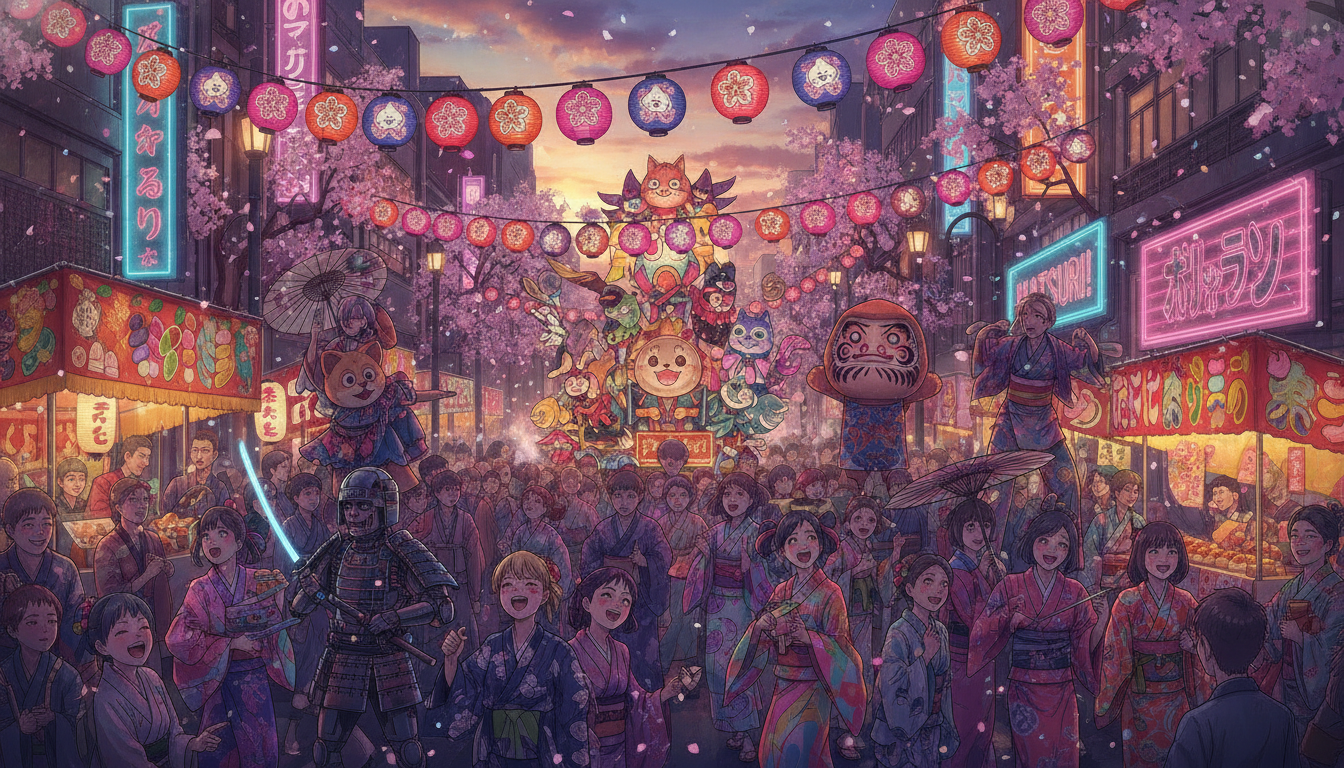
What emerges from all of this — the crying babies, the cucumber offerings, the pride in public napping — is not chaos, but a coherent worldview. Japan’s “weird” traditions are the product of thousands of years of layered belief systems, communal values, and an extraordinary willingness to preserve the past without being imprisoned by it. Every festival, every bow, every carefully sorted bag of recycling is a thread in a tapestry that connects ancient Japan to the ultra-modern nation that wows the world today. The next time an anime character performs a ritual that seems odd, or a travel video shows something that makes your jaw drop, remember: there’s almost always a story behind it, and that story is usually far richer than you’d expect. Japan doesn’t do anything without reason — it just doesn’t always feel obligated to explain itself to you. And honestly? That’s kind of the point.
