

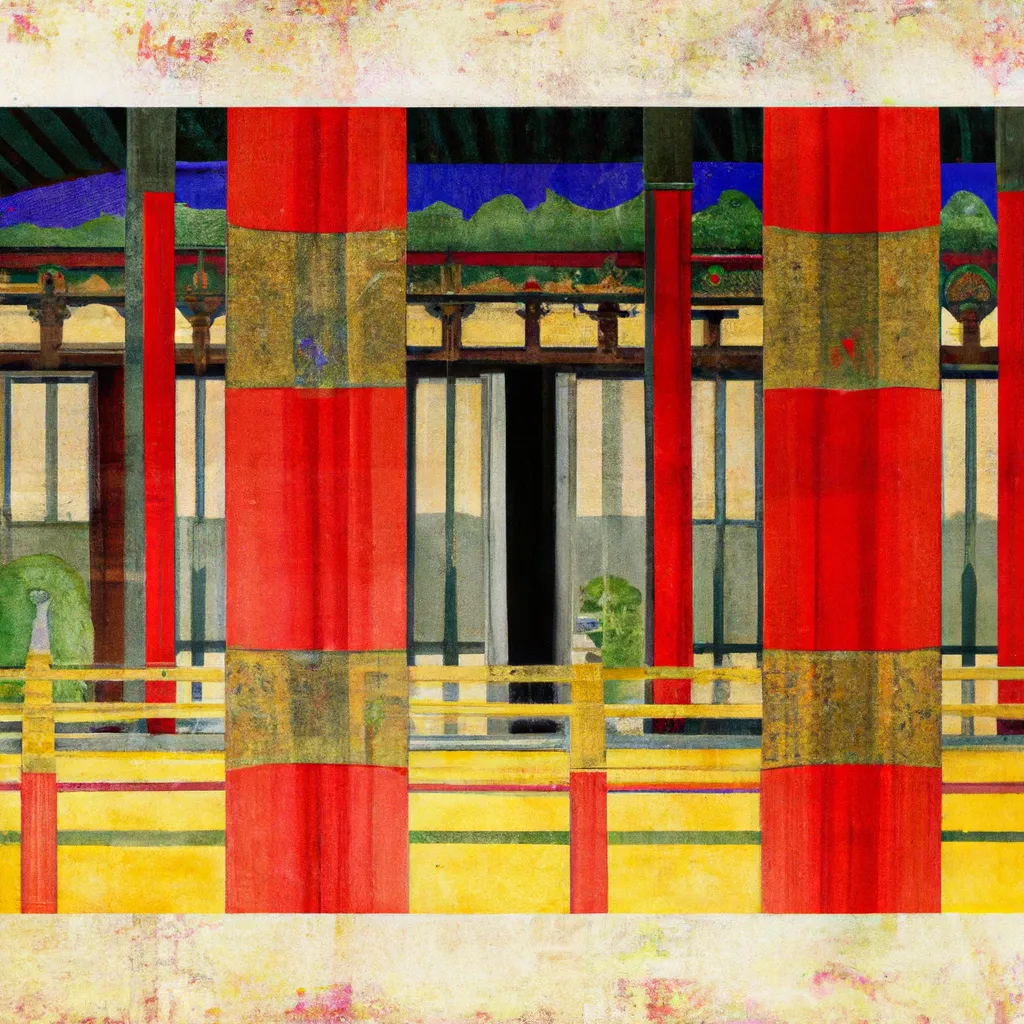
Discovering the Rich Tapestry of Japanese Culture
Japan is a country with a rich and diverse cultural heritage that has captivated people around the world. From traditional arts and crafts to modern pop culture phenomena, Japan’s cultural landscape is a vibrant tapestry that continues to evolve and inspire. In this article, we will delve into the various aspects of Japanese culture, exploring its history, traditions, and contemporary influences.
The History of Japanese Culture
Japanese culture has been shaped by centuries of history, influenced by various indigenous traditions, as well as external factors such as Chinese and Korean influences. The country’s unique geographical location, isolated from the rest of Asia by the sea, has allowed for the development of distinct cultural practices and beliefs.
One of the most iconic elements of Japanese culture is the traditional tea ceremony, known as “chanoyu.” This ritualistic practice dates back to the 9th century and is deeply rooted in Zen Buddhism. The tea ceremony emphasizes harmony, respect, purity, and tranquility, reflecting the core values of Japanese aesthetics.
Another integral part of Japanese culture is the art of flower arranging, or “ikebana.” This ancient practice involves the arrangement of flowers in a deliberate and harmonious way, focusing on the beauty of simplicity and balance. Ikebana has influenced various art forms in Japan, including painting, poetry, and even architecture.
Traditional Arts and Crafts
Japan is renowned for its exquisite traditional arts and crafts, which have been passed down through generations. From delicate ceramics and intricate textiles to elaborate woodblock prints and ornate lacquerware, Japanese craftsmanship is celebrated for its precision, attention to detail, and aesthetic beauty.
One of the most famous Japanese art forms is the art of origami, the practice of folding paper into intricate shapes and designs. Origami has a long history in Japan and is often associated with creativity, patience, and mindfulness. Today, origami has evolved into a popular pastime and a form of artistic expression for people around the world.
Another traditional craft that has gained international recognition is Japanese pottery, particularly the distinctive style of ceramics known as “raku.” Raku ware is characterized by its earthy colors, irregular shapes, and unique glazes, reflecting the imperfections and spontaneity of the natural world.
Pop Culture Phenomena
While traditional arts and crafts are an integral part of Japanese culture, the country is also known for its modern pop culture phenomena, which have gained a global following in recent years. From anime and manga to video games and J-pop music, Japanese pop culture is diverse, dynamic, and constantly evolving.
Anime, in particular, has become a cultural export for Japan, with iconic series such as “Naruto,” “One Piece,” and “Dragon Ball” captivating audiences worldwide. Anime combines vibrant visuals, compelling storytelling, and complex characters to create immersive worlds that resonate with viewers of all ages.
Similarly, manga, the Japanese style of comic books and graphic novels, has a wide-ranging appeal and covers a variety of genres, from fantasy and science fiction to romance and horror. Manga artists, known as “mangaka,” have achieved international acclaim for their creativity and innovation in storytelling.
Cultural Traditions and Festivals
Japanese culture is steeped in various traditions and festivals that celebrate the changing seasons, honor ancestors, and bring communities together. One of the most famous festivals in Japan is “Hanami,” the cherry blossom viewing season, where people gather under blooming cherry trees to enjoy food, drinks, and music.
Another beloved tradition is “matsuri,” or Japanese festivals, which are held throughout the year to celebrate local deities, commemorate historical events, and promote community spirit. Festivals often feature colorful processions, traditional music and dance performances, and vibrant street food stalls.
Conclusion
Japan’s cultural heritage is a rich tapestry woven with traditions, arts, and customs that have been passed down through generations. From the serene beauty of the tea ceremony to the dynamic energy of anime and pop culture, Japanese culture continues to inspire and captivate people around the world. By exploring the diverse facets of Japanese culture, we gain a deeper appreciation for the country’s history, values, and creativity.
