

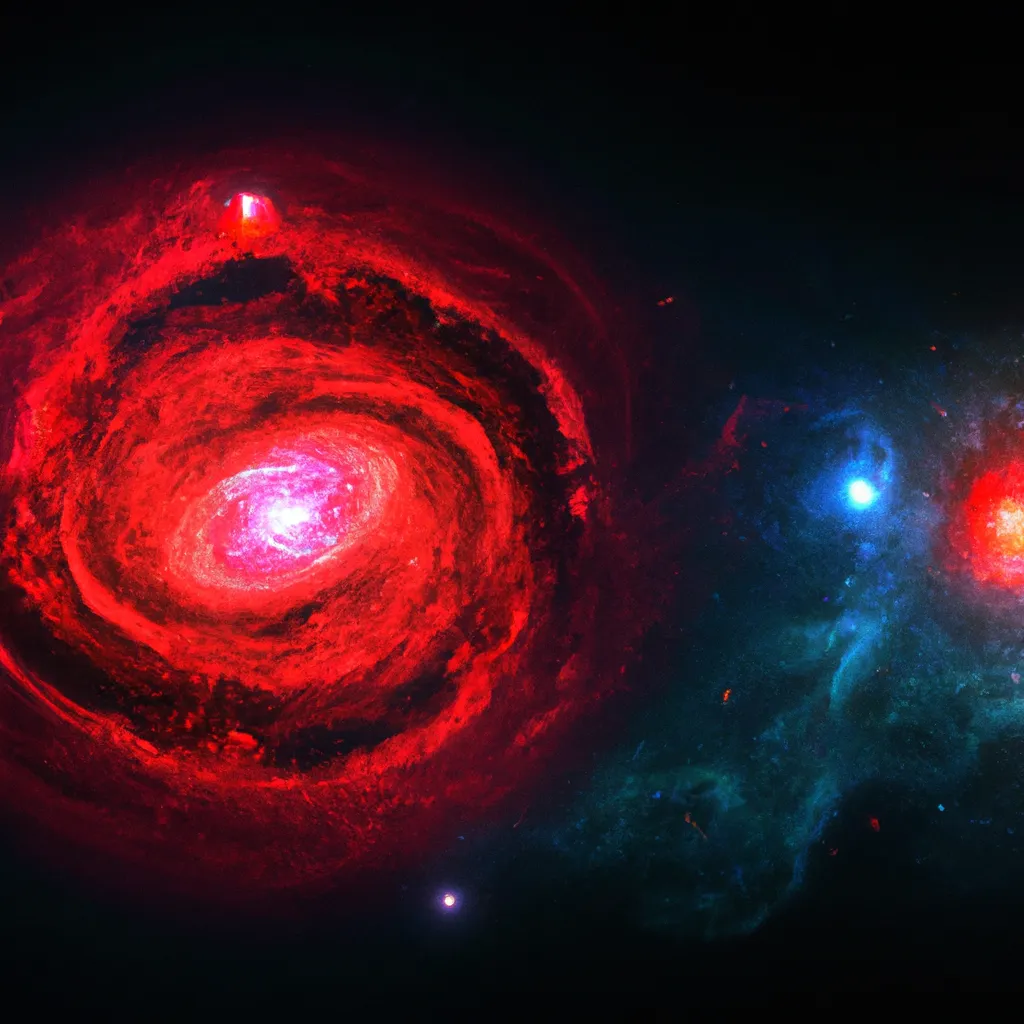
Unveiling the Wonders of Science Fiction
Science fiction has long been a captivating genre that has enthralled audiences with its imaginative storytelling and exploration of futuristic concepts. From space exploration to advanced technologies, science fiction offers a glimpse into what the future may hold. In this article, we will delve into the wonders of science fiction and explore its impact on popular culture and society.
The Origins of Science Fiction
Science fiction traces its roots back to ancient myths and legends that explored supernatural phenomena and otherworldly beings. However, the modern concept of science fiction as a genre emerged in the 19th century with the works of authors like Jules Verne and H.G. Wells. These pioneers of science fiction introduced readers to fantastical worlds and futuristic technologies that sparked the imagination and inspired generations of writers and creators.
The Themes of Science Fiction
Science fiction often explores themes such as the impact of technology on society, the consequences of scientific experimentation, and the possibilities of space exploration. By envisioning alternate realities and future possibilities, science fiction challenges readers to think critically about the world around them and consider the ethical implications of scientific progress.
The Influence of Science Fiction on Popular Culture
Science fiction has had a profound impact on popular culture, influencing everything from literature and film to technology and fashion. Iconic works like “Star Wars,” “Blade Runner,” and “2001: A Space Odyssey” have become cultural touchstones, inspiring countless adaptations, spin-offs, and fan theories.
Additionally, science fiction has played a key role in shaping public perceptions of science and technology. Concepts like artificial intelligence, space travel, and alien life forms have become ingrained in the popular imagination, influencing how people view the possibilities of the future.
The Evolution of Science Fiction
Over the years, science fiction has evolved to reflect the changing landscape of society and technology. While early science fiction focused on space exploration and alien encounters, contemporary works often delve into complex social issues, environmental concerns, and the ethical dilemmas of scientific advancement.
Authors like Isaac Asimov, Philip K. Dick, and Ursula K. Le Guin have pushed the boundaries of the genre, introducing readers to thought-provoking narratives that challenge traditional notions of reality and morality.
The Future of Science Fiction
As we look to the future, science fiction continues to inspire new generations of writers, filmmakers, and creators. With advances in technology and a growing interest in space exploration, the possibilities for imaginative storytelling are endless.
From virtual reality experiences to immersive storytelling techniques, science fiction is poised to redefine the way we engage with narratives and explore the unknown. As we continue to push the boundaries of scientific discovery, science fiction will undoubtedly play a vital role in shaping our vision of the future.
Conclusion
Science fiction remains a captivating genre that offers a window into the possibilities of the future. Through its exploration of advanced technologies, social issues, and ethical dilemmas, science fiction challenges us to consider the implications of scientific progress and imagine new worlds beyond our wildest dreams.
By embracing the wonders of science fiction, we can unlock our imaginations and explore the limitless potential of human creativity. As we continue to push the boundaries of scientific discovery, science fiction will undoubtedly remain a source of inspiration and wonder for generations to come.
