

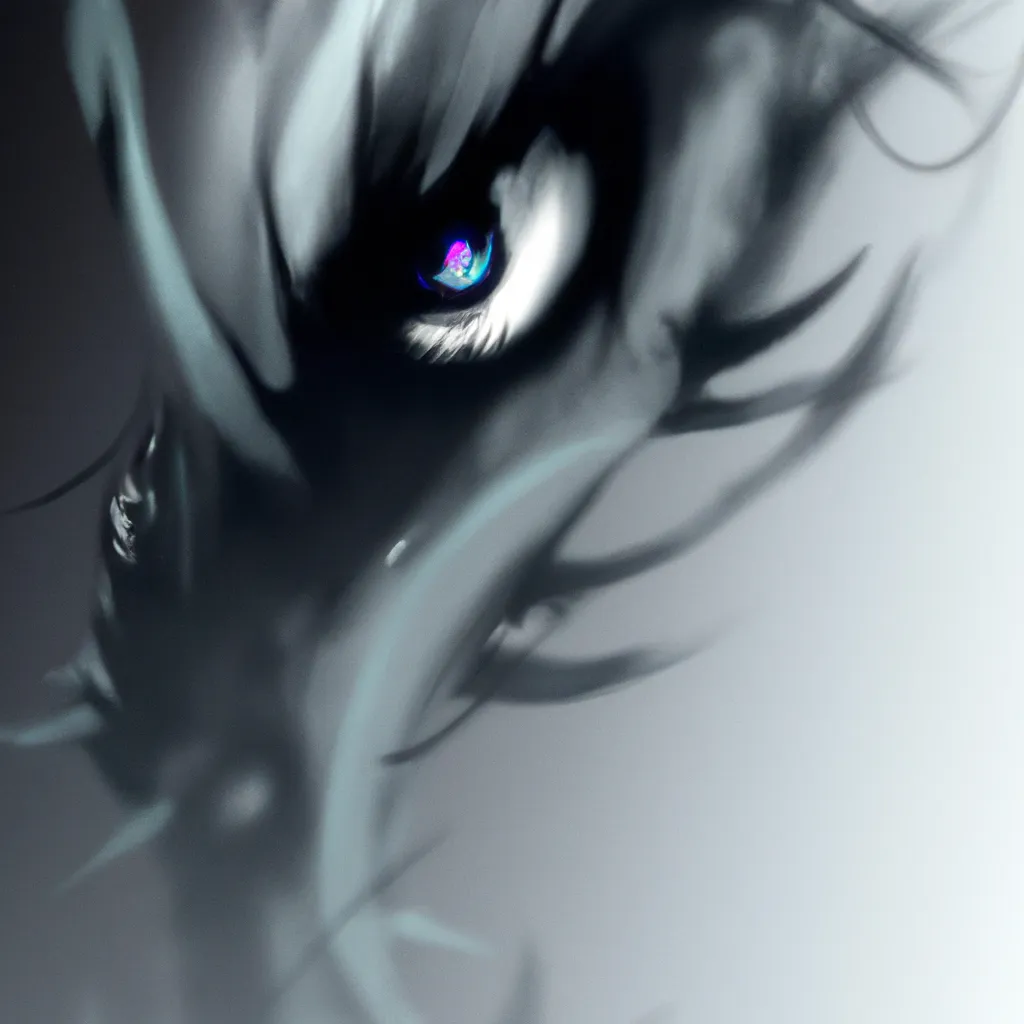
Unveiling the Mysterious World of Yokai: Japan’s Supernatural Creatures
Japan is a land rich in folklore and mythology, where ancient traditions and modern culture coexist harmoniously. One of the most fascinating aspects of Japanese folklore is the world of Yokai, supernatural creatures that have captured the imagination of people around the world. In this article, we will delve into the mysterious realm of Yokai, exploring their origins, characteristics, and significance in Japanese culture.
The Origins of Yokai
Yokai are supernatural beings, spirits, or demons that are deeply rooted in Japanese folklore and mythology. The word “Yokai” is a combination of the characters for “bewitching” and “mystery,” reflecting the enigmatic nature of these creatures. Yokai have been a part of Japanese culture for centuries, with stories about them being passed down through generations.
One of the earliest mentions of Yokai can be found in the Kojiki, Japan’s oldest historical record, which dates back to the 8th century. Yokai were believed to inhabit the natural world, with each creature representing a different aspect of nature or human emotion. Over time, Yokai evolved from simple spirits to complex beings with distinct personalities and abilities.
The Classification of Yokai
Yokai come in various shapes and forms, each with its own unique characteristics and abilities. They can be classified into several categories based on their appearance and behavior. Some of the most common types of Yokai include:
- Obake: Shape-shifting spirits that can transform into everyday objects.
- Oni: Demonic beings with horns and fangs, often depicted as fearsome creatures.
- Kappa: Water-dwelling creatures with a dish-like depression on their heads.
- Tengu: Bird-like Yokai with long noses and wings, known for their martial prowess.
The Significance of Yokai in Japanese Culture
Yokai have played a significant role in shaping Japanese culture and society. They are often used as a means to explain natural phenomena, teach moral lessons, or entertain audiences. Yokai have also inspired various forms of art, literature, and entertainment, with countless stories, films, and video games featuring these supernatural creatures.
In addition to their cultural significance, Yokai are also deeply ingrained in Japanese spirituality and religious beliefs. Some Yokai are revered as protectors of certain areas or as messengers of the gods, while others are feared as malevolent beings that bring misfortune and disaster.
Popular Yokai in Japanese Folklore
There are hundreds of Yokai in Japanese folklore, each with its own unique traits and stories. Some of the most famous Yokai include:
- Kitsune: Fox spirits known for their shape-shifting abilities and cunning nature.
- Yuki-onna: The Snow Woman, a ghostly figure associated with winter and cold weather.
- Rokurokubi: Yokai with elongated necks that can stretch to incredible lengths.
- Noppera-bo: Faceless ghosts that appear as ordinary humans until their true form is revealed.
The Modern Interpretation of Yokai
Despite their ancient origins, Yokai continue to captivate audiences in modern times. They have become popular characters in anime, manga, and pop culture, with new interpretations and adaptations breathing fresh life into these age-old creatures. Yokai are no longer confined to the pages of folklore; they have become icons of Japanese popular culture, beloved by fans around the world.
From the mischievous antics of the Yokai in “GeGeGe no Kitaro” to the terrifying encounters with supernatural beings in “Yokai Watch,” these creatures continue to enchant and terrify audiences of all ages. Whether they are portrayed as friends or foes, Yokai remain an integral part of Japan’s storytelling tradition, weaving tales of wonder and mystery that endure through the ages.
Conclusion
The world of Yokai is a fascinating and mysterious realm that offers a glimpse into the rich tapestry of Japanese folklore and mythology. These supernatural creatures have captured the imagination of people for centuries, inspiring countless stories, artworks, and cultural expressions. As Yokai continue to evolve and adapt to the changing times, they remind us of the enduring power of storytelling and the boundless creativity of human imagination.
Whether they are portrayed as benevolent spirits or malevolent demons, Yokai will always hold a special place in the hearts of those who are drawn to the mystical and the magical. As we unravel the mysteries of Yokai, we discover a world filled with wonder, curiosity, and endless possibilities.
