

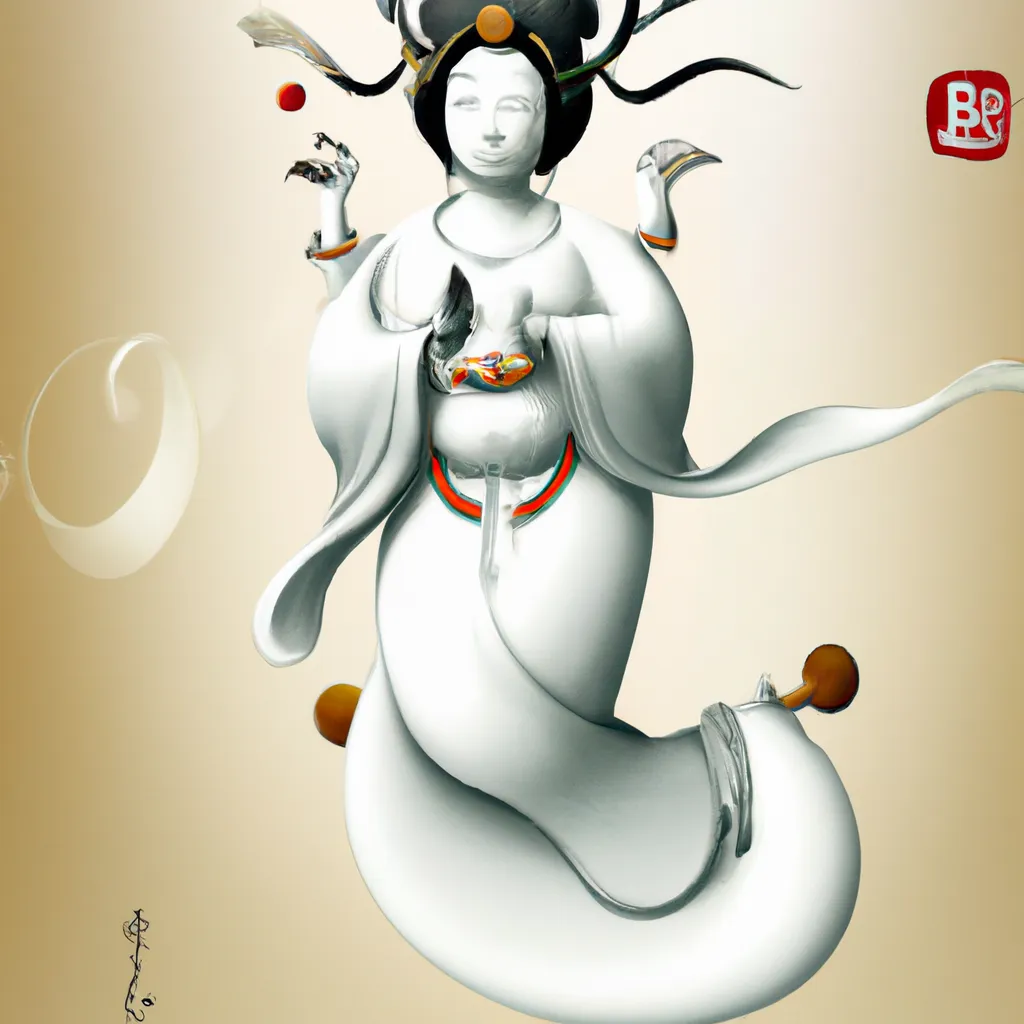
Unveiling the Mysteries of Japanese Folklore
Japan is a land of rich culture and history, with folklore playing a significant role in shaping the country’s traditions and beliefs. From mythical creatures to legendary heroes, Japanese folklore is a treasure trove of stories that have been passed down through generations. In this article, we will delve into the fascinating world of Japanese folklore and uncover some of its most intriguing mysteries.
The Origins of Japanese Folklore
Japanese folklore has its roots in the country’s ancient Shinto and Buddhist beliefs, as well as its historical connections to Chinese and Korean mythology. The stories are often a blend of supernatural elements, moral lessons, and historical events, creating a unique tapestry of myths and legends that continue to captivate audiences around the world.
One of the most famous figures in Japanese folklore is the fox spirit, known as the kitsune. These shape-shifting creatures are often depicted as mischievous tricksters or wise guardians, with the ability to bring good fortune or cause mischief depending on their mood. The kitsune has appeared in countless stories, plays, and artworks throughout Japanese history, symbolizing the duality of nature and the power of transformation.
The Creatures of Japanese Folklore
Japanese folklore is populated by a diverse array of supernatural beings, each with its own unique characteristics and powers. From the terrifying oni demons to the elegant tengu spirits, these creatures play a vital role in the mythology of Japan and have inspired countless works of art and literature.
One of the most iconic creatures in Japanese folklore is the dragon, known as the ryu. These majestic beings are often associated with water and rain, and are believed to bring good fortune and protection to those who venerate them. Dragons can be found in temples, shrines, and artworks across Japan, symbolizing strength, wisdom, and the power of the natural world.
The Heroes of Japanese Folklore
Alongside its mythical creatures, Japanese folklore is also home to a cast of legendary heroes and heroines who have captured the imagination of generations. From the brave warrior Minamoto no Yoshitsune to the cunning princess Kaguya-hime, these figures embody the values of courage, loyalty, and sacrifice that are central to Japanese culture.
One of the most famous heroes in Japanese folklore is Momotaro, the Peach Boy. According to legend, Momotaro was born from a giant peach and grew up to become a fearless warrior who defeated the demons threatening his village. The story of Momotaro has been told in countless forms, from traditional folk songs to modern anime adaptations, showcasing the enduring appeal of this beloved character.
The Influence of Japanese Folklore
Japanese folklore has had a profound impact on the country’s culture, influencing everything from literature and art to fashion and entertainment. The themes and motifs of Japanese folklore can be seen in a wide range of mediums, from traditional kabuki theater to contemporary anime and manga.
One of the most popular modern interpretations of Japanese folklore is the Studio Ghibli film “Spirited Away,” which draws heavily on traditional Japanese myths and legends to create a captivating and otherworldly story. The film’s success both in Japan and internationally is a testament to the enduring appeal of Japanese folklore and its ability to resonate with audiences of all ages.
Conclusion
Japanese folklore is a rich and vibrant tapestry of myths, legends, and stories that have been passed down through generations. From the mystical creatures of the forest to the heroic figures of legend, Japanese folklore continues to captivate audiences around the world with its timeless themes and universal messages. By exploring the mysteries of Japanese folklore, we gain a deeper understanding of the culture and history of this fascinating country, and a greater appreciation for the enduring power of storytelling.
