

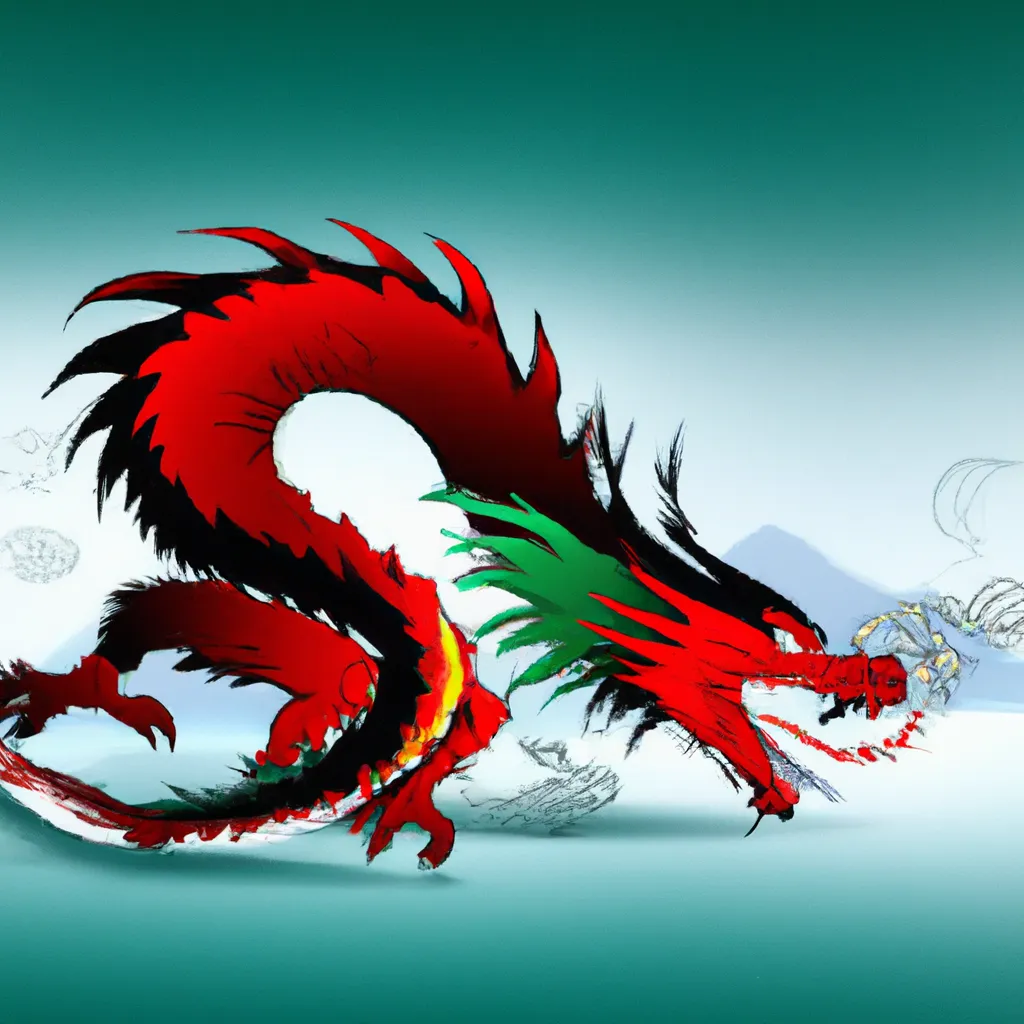
Unveiling the Mysteries of Japanese Folklore
Japanese folklore is a rich tapestry of myths, legends, and supernatural tales that have been passed down through generations. These stories are deeply rooted in Japanese culture and have influenced various aspects of art, literature, and entertainment. In this article, we will delve into the fascinating world of Japanese folklore, exploring its origins, themes, and impact on popular culture.
The Origins of Japanese Folklore
Japanese folklore has its roots in the country’s ancient Shinto and Buddhist traditions. Many of the myths and legends found in Japanese folklore are based on religious beliefs and practices. For example, stories about kami (gods or spirits) and yokai (supernatural creatures) are common themes in Japanese folklore and are often associated with Shinto rituals and ceremonies.
Throughout history, Japanese folklore has been shaped by a variety of influences, including Chinese mythology, folk beliefs from other Asian countries, and even Western fairy tales. This blending of different cultural elements has resulted in a diverse and complex tapestry of stories that continue to captivate audiences around the world.
Themes in Japanese Folklore
One of the recurring themes in Japanese folklore is the concept of the supernatural and the mysterious. Yokai, in particular, are a prominent feature in many Japanese folk tales. These supernatural beings can take on various forms, from mischievous spirits to malevolent demons, and are often used to explain natural phenomena or moral lessons.
Another common theme in Japanese folklore is the idea of transformation and shape-shifting. Many stories feature characters who can change their appearance or assume different forms, blurring the lines between human and supernatural beings. This theme reflects the fluidity of identity and the interconnectedness of the natural and supernatural worlds in Japanese culture.
The Impact of Japanese Folklore on Popular Culture
Japanese folklore has had a significant influence on popular culture, both in Japan and around the world. Many aspects of Japanese folklore, such as yokai and kami, have been incorporated into various forms of media, including literature, art, and entertainment.
One of the most well-known examples of Japanese folklore in popular culture is the anime and manga industry. Countless anime series and manga comics draw inspiration from traditional Japanese myths and legends, incorporating elements of folklore into their storylines and characters. From yokai-themed adventures to stories about supernatural powers, Japanese folklore continues to be a source of inspiration for creators in the anime and manga world.
Conclusion
Japanese folklore is a fascinating and complex world filled with myths, legends, and supernatural tales that have captivated audiences for centuries. From stories about yokai and kami to themes of transformation and shape-shifting, Japanese folklore reflects the rich cultural heritage of Japan and continues to influence popular culture around the world.
By exploring the mysteries of Japanese folklore, we gain a deeper understanding of the traditions, beliefs, and values that have shaped Japanese society for generations. Whether through ancient myths or modern adaptations, Japanese folklore remains a vibrant and enduring part of the cultural landscape.
For more articles on related topics, check out these posts on my blog:
- Unraveling the Mystery: Exploring the World of Psychological Anime
- Nightmares and Chills: Exploring the World of Horror Anime
- The Ultimate Guide to Popular Anime: Discover Your Next Obsession!
- Laughing Out Loud: Exploring the Hilarious World of Comedy Anime
- From Page to Screen: Anime Adaptations of Literary Works
