

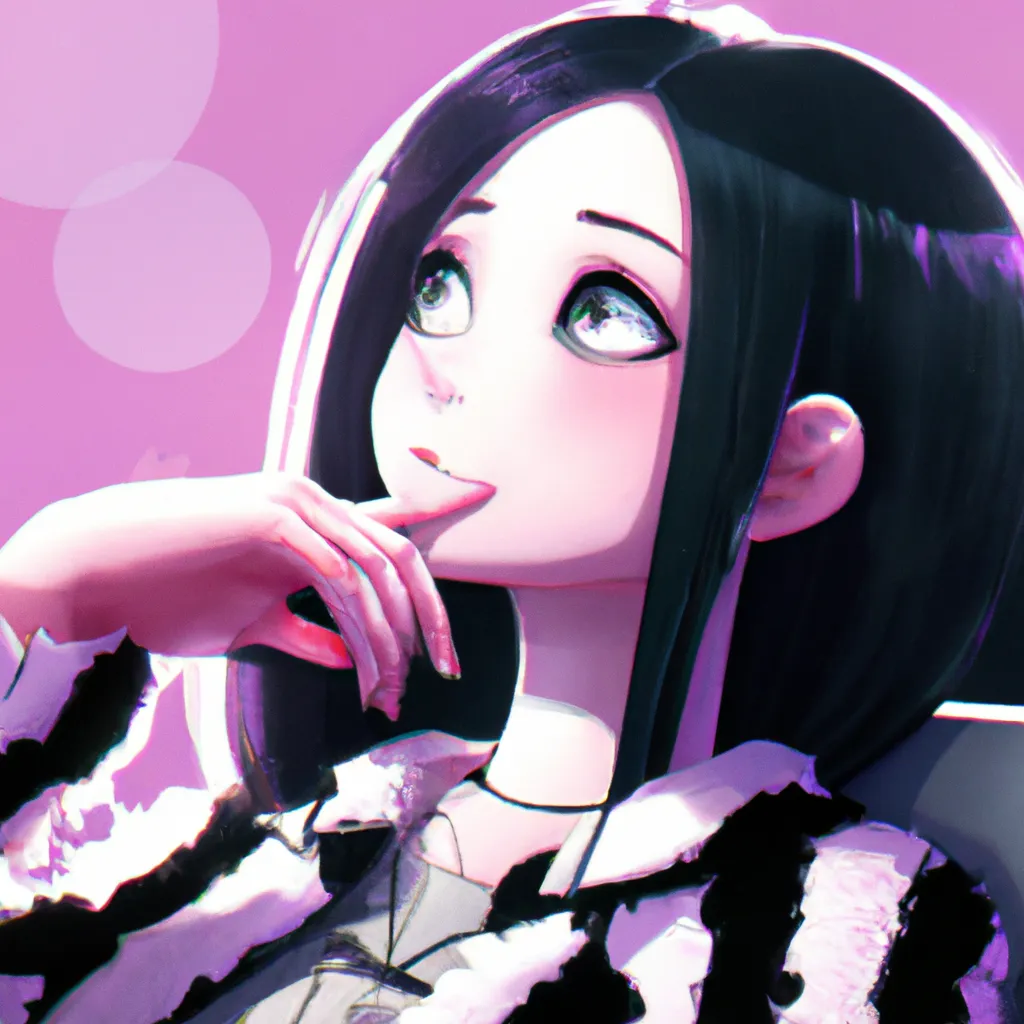
Unveiling the Magical Connection Between Anime and Literature
When it comes to storytelling, two art forms that have captivated audiences for generations are anime and literature. Anime, a style of animation that originated in Japan, has become a global phenomenon, captivating viewers with its unique art style, compelling characters, and imaginative worlds. On the other hand, literature has long been a source of inspiration for storytellers, with classic novels and poems shaping the way we view the world around us.
But what happens when these two powerful forms of storytelling come together? The result is a magical connection that transcends cultural boundaries and brings new life to both mediums. In this article, we will explore the intricate relationship between anime and literature, delving into how they influence and inspire each other in ways that continue to shape the creative landscape of storytelling.
The Influence of Literature on Anime
One of the most fascinating aspects of anime is its ability to draw inspiration from a wide range of literary sources. From classic novels to modern poetry, anime creators have been known to adapt and reinterpret literary works in unique and creative ways. For example, Hayao Miyazaki’s critically acclaimed film “Howl’s Moving Castle” was inspired by the novel of the same name by Diana Wynne Jones, blending elements of fantasy and steampunk to create a visually stunning world that captivated audiences around the globe.
Similarly, anime series like “Death Note” draw on themes of morality and justice that are commonly found in literature, exploring complex ethical dilemmas through the lens of a supernatural thriller. By incorporating literary elements into their storytelling, anime creators are able to add depth and complexity to their narratives, resonating with viewers on a deeper emotional level.
Another way in which literature influences anime is through the adaptation of classic stories and myths. Many anime series and films draw on traditional folklore and mythology, reimagining ancient tales for a modern audience. For example, the popular series “Natsume’s Book of Friends” explores the world of yokai, supernatural creatures from Japanese folklore, weaving together themes of friendship, loyalty, and the supernatural in a way that pays homage to the rich literary tradition of Japan.
The Impact of Anime on Literature
While literature has long been a source of inspiration for anime creators, the reverse is also true. In recent years, anime has begun to influence the world of literature in surprising ways, with authors drawing on the visual and narrative techniques of anime to create unique and innovative works of fiction.
One example of this influence can be seen in the rise of light novels, a genre of Japanese literature that blends elements of anime and manga to create fast-paced, immersive stories with colorful illustrations. Light novels have gained a dedicated following both in Japan and abroad, attracting readers who are drawn to the dynamic storytelling and vibrant characters that are characteristic of anime.
Additionally, the visual style of anime has inspired a new generation of writers to experiment with innovative storytelling techniques, blurring the lines between traditional prose and visual art. Authors like Haruki Murakami and Banana Yoshimoto have been known to incorporate elements of anime and manga into their work, creating a unique fusion of literature and visual storytelling that pushes the boundaries of traditional narrative forms.
The Intersection of Anime and Literature
At their core, both anime and literature share a common goal: to tell compelling stories that resonate with audiences and provoke thought and emotion. By exploring the intersection of these two art forms, creators are able to tap into a rich tapestry of themes, motifs, and storytelling techniques that transcend cultural boundaries and speak to the universal human experience.
Whether it’s adapting a beloved novel into an animated film or drawing inspiration from the visual style of anime to create a new work of fiction, the connection between anime and literature is a testament to the power of storytelling to transcend time and space. As audiences continue to seek out new and innovative forms of entertainment, the magical connection between anime and literature will undoubtedly continue to shape the creative landscape of storytelling for years to come.
Conclusion
In conclusion, the relationship between anime and literature is a dynamic and multifaceted one, with each medium influencing and inspiring the other in ways that continue to push the boundaries of storytelling. From drawing on classic novels and myths to creating innovative new forms of fiction, the magical connection between anime and literature is a testament to the enduring power of storytelling to captivate and inspire audiences around the world.
As we continue to explore the intersection of these two art forms, we can look forward to a future filled with exciting collaborations and creative innovations that will shape the way we experience and engage with stories for generations to come.
