

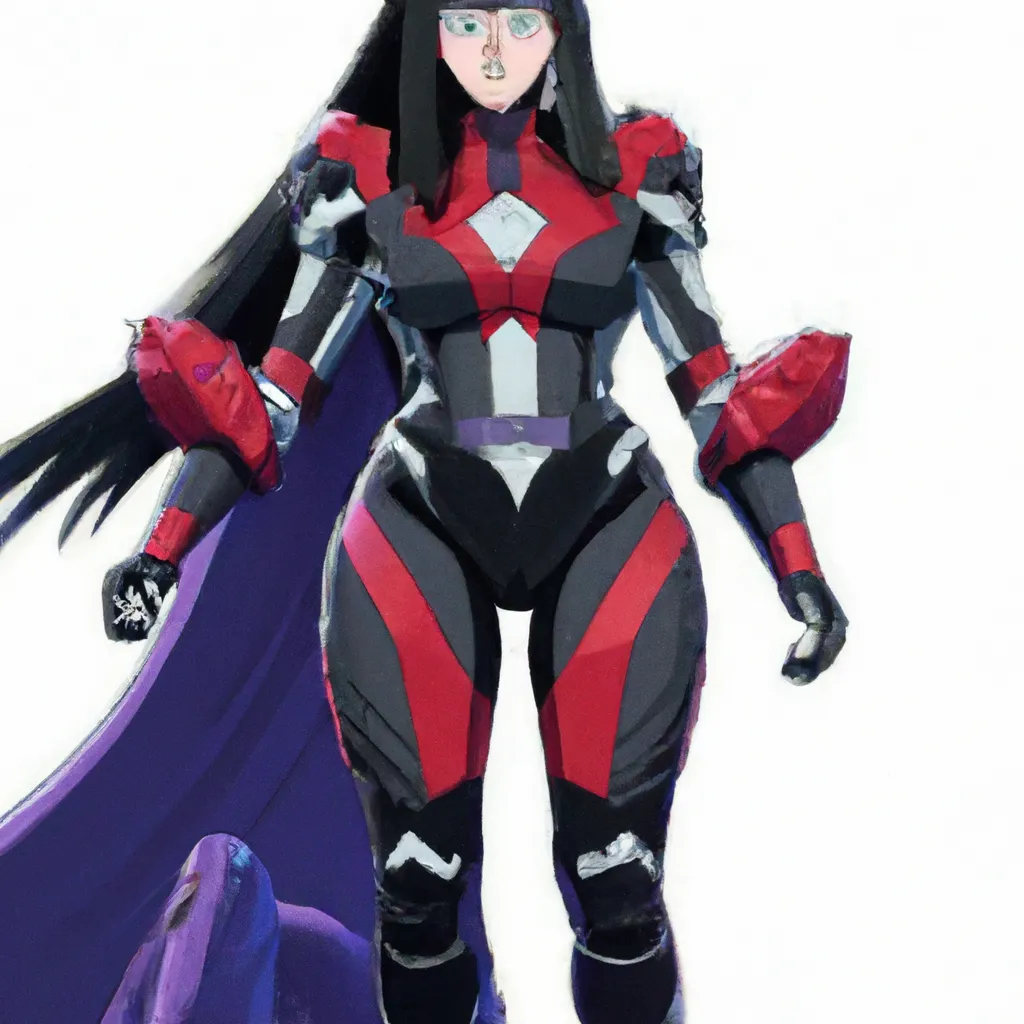
The Rebirth of Anime: Exploring the World of Anime Reboots
Anime, a popular form of entertainment originating from Japan, has captured the hearts of fans worldwide with its unique storytelling, vibrant characters, and stunning visuals. Over the years, many beloved anime series have come to an end, leaving fans craving for more. This has led to the rise of anime reboots, a phenomenon where old series are revived with a fresh new take. In this article, we will delve into the world of anime reboots, exploring the reasons behind their popularity, the challenges they face, and the impact they have on the industry.
What are Anime Reboots?
Anime reboots are essentially remakes or reimaginations of existing anime series. They can range from faithful adaptations that stay true to the original source material to bold reinterpretations that take the story in a new direction. Reboots are often produced to introduce classic series to a new generation of viewers, capitalize on the nostalgia of older fans, or improve upon the flaws of the original series.
The Rise of Anime Reboots
In recent years, the anime industry has seen a surge in the number of reboots being produced. This can be attributed to several factors, including the increasing demand for content in a saturated market, the success of previous reboots such as “Fullmetal Alchemist: Brotherhood” and “Hunter x Hunter,” and the advancements in animation technology that allow for more visually stunning reimaginings.
Additionally, anime reboots are often seen as a safer investment for studios, as they already have an established fan base and built-in marketing appeal. By revisiting beloved series, studios can tap into the nostalgia of fans while also attracting new viewers who may be interested in a modernized version of a classic story.
Challenges of Anime Reboots
While anime reboots have the potential to breathe new life into old series, they also come with their own set of challenges. One of the biggest hurdles is striking a balance between honoring the original source material and introducing fresh elements to keep the story engaging for both old and new fans.
Another challenge is managing fan expectations. Fans of the original series may have strong emotional attachments to the characters and storylines, making it difficult for reboots to live up to their lofty expectations. This can result in backlash from the fan community if the reboot strays too far from the source material or fails to capture the essence of the original series.
The Impact of Anime Reboots
Despite the challenges they face, anime reboots have had a significant impact on the industry. They have breathed new life into classic series, introducing them to a new generation of fans and keeping the franchise relevant in an ever-changing landscape. Reboots have also opened up opportunities for collaborations with new directors, writers, and animators, leading to fresh interpretations of familiar stories.
Furthermore, anime reboots have proven to be a lucrative venture for studios, generating buzz and excitement among fans that can translate into increased merchandise sales, streaming revenue, and DVD/Blu-ray purchases. By tapping into the nostalgia of fans, reboots have the potential to create a lasting impact on the anime industry as a whole.
Conclusion
As the anime industry continues to evolve, anime reboots have emerged as a popular trend that shows no signs of slowing down. By revisiting classic series with a fresh new perspective, reboots have the power to reignite the passion of fans, attract new viewers, and breathe new life into beloved franchises. While they may face challenges in meeting fan expectations and staying true to the original source material, reboots have the potential to shape the future of anime and pave the way for innovative storytelling and stunning visuals.
