

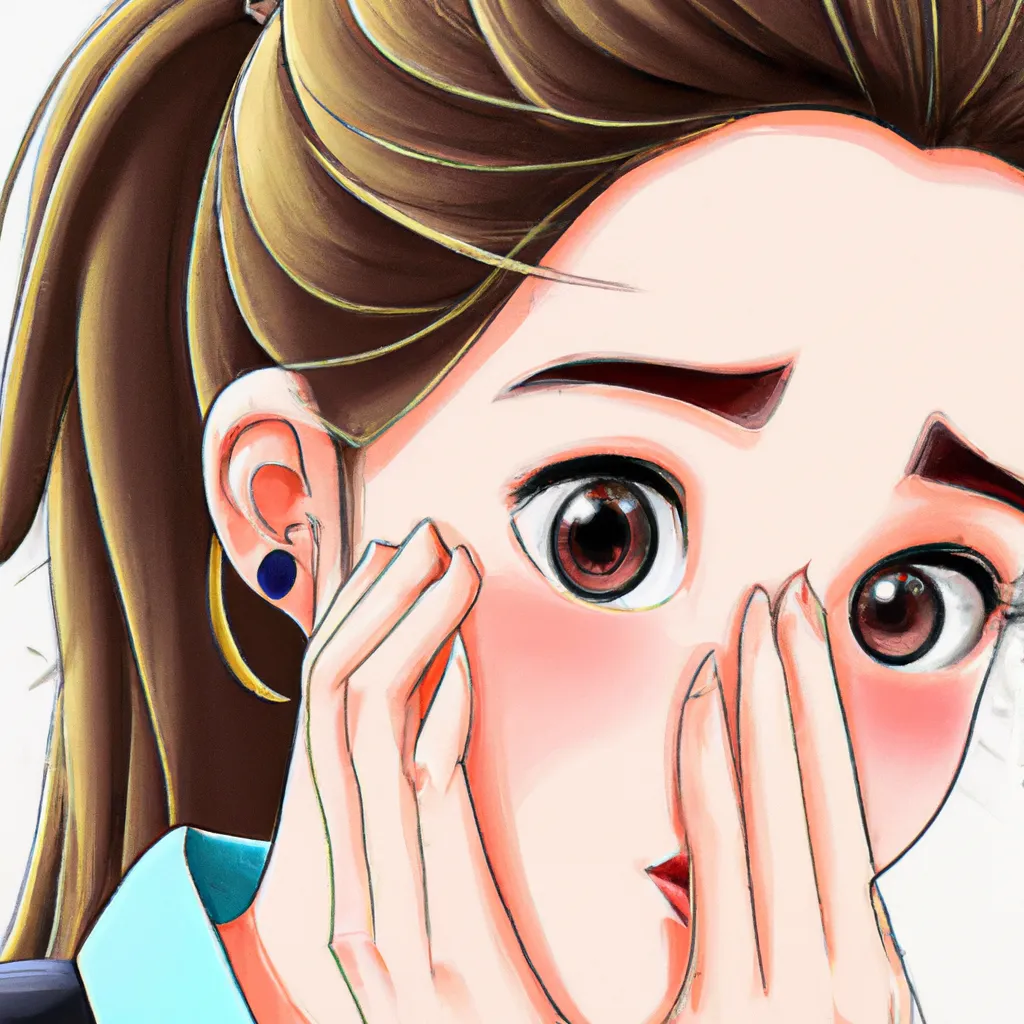
The Hidden Stories: Uncovering Censored Animes
Anime, a form of Japanese animation, has gained immense popularity worldwide for its diverse genres, unique storytelling, and captivating visuals. However, behind the colorful characters and fantastical worlds, there lies a darker side to the anime industry – the censorship of certain shows and episodes. In this article, we will delve into the world of censored animes and explore the hidden stories that have been suppressed from the public eye.
Understanding Anime Censorship
Before we uncover the hidden stories of censored animes, it is important to understand the reasons behind censorship in the industry. Censorship in anime can occur for a variety of reasons, including cultural sensitivities, regulatory requirements, and ethical considerations. In some cases, certain themes or scenes may be deemed inappropriate for certain audiences, leading to edits or outright bans of specific episodes or series.
One of the most common reasons for censorship in anime is the portrayal of violence, nudity, or other controversial topics. In countries with strict regulations on media content, such as Japan and the United States, anime producers may be required to make changes to their shows to comply with censorship laws. Additionally, cultural norms and societal values play a significant role in determining what is considered acceptable in anime.
The Hidden Stories
Despite efforts to censor certain content in anime, some hidden stories have managed to surface, revealing the darker and more controversial aspects of the industry. One such example is the anime series “Neon Genesis Evangelion,” which explores complex themes such as mental illness, trauma, and existential dread. The series has been praised for its deep storytelling and thought-provoking narrative, but it has also faced criticism for its graphic depictions of violence and psychological distress.
Another censored anime that has garnered attention is “Puella Magi Madoka Magica,” a magical girl series that takes a dark and twisted turn as the story unfolds. The series delves into themes of sacrifice, despair, and the consequences of seeking power, challenging the traditional tropes of the magical girl genre. Despite its critical acclaim, “Puella Magi Madoka Magica” has faced censorship in some regions due to its disturbing content and mature themes.
Implications of Censorship
While censorship in anime is often intended to protect viewers from potentially harmful content, it can also have unintended consequences. By censoring certain themes or scenes, anime producers risk diluting the original vision of the creators and altering the intended message of the series. This can lead to misunderstandings among viewers and detract from the overall impact of the show.
Furthermore, censorship in anime can stifle creativity and limit artistic expression. When creators are forced to adhere to strict censorship guidelines, they may be unable to explore challenging or controversial topics that are essential to their storytelling. This can result in watered-down narratives that fail to resonate with audiences or convey the intended themes effectively.
Conclusion
In conclusion, the world of censored animes is a complex and multifaceted one, filled with hidden stories that challenge societal norms and push the boundaries of traditional storytelling. While censorship in anime serves a purpose in protecting viewers from harmful content, it can also hinder the creative freedom of artists and limit the impact of their work. By uncovering these hidden stories and shedding light on the darker aspects of the industry, we can gain a deeper understanding of the complexities of anime censorship and the implications it has on the medium as a whole.
