

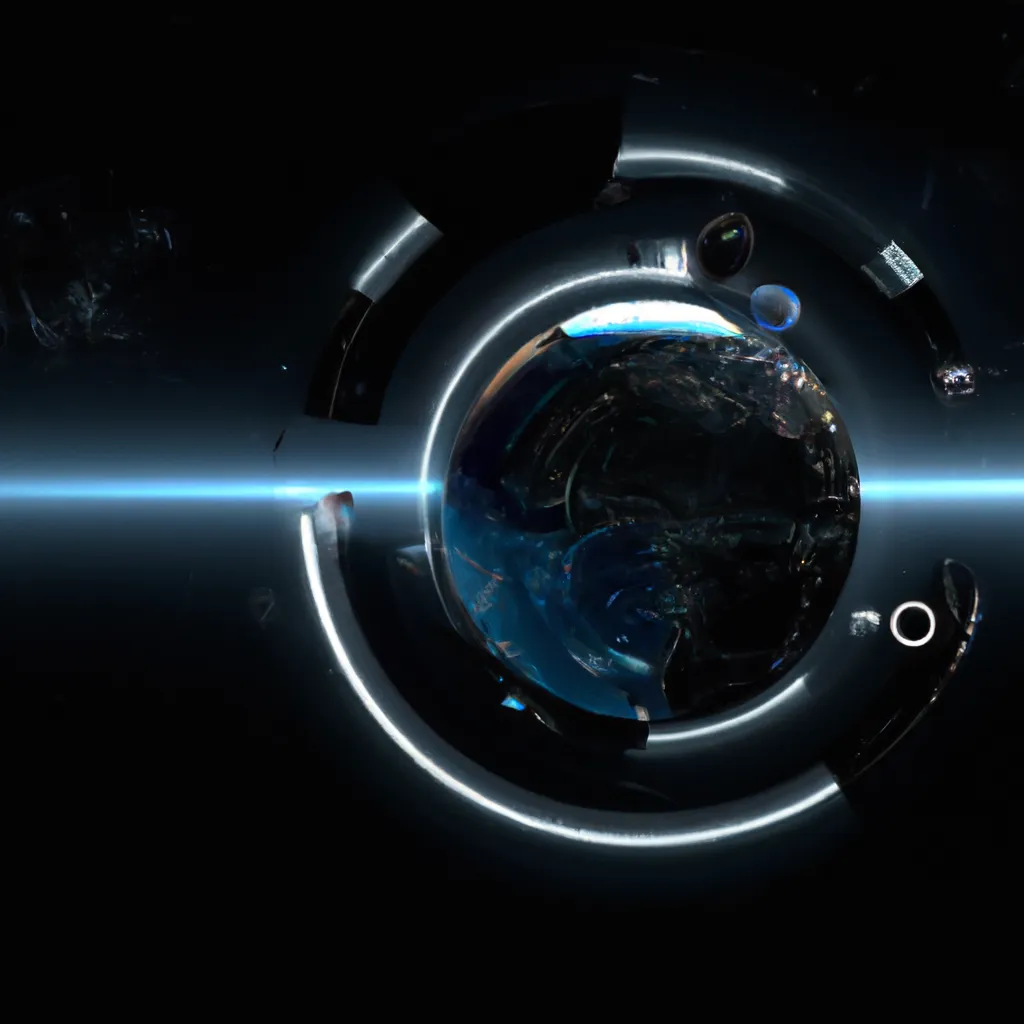
The Cyberpunk Revolution: A Dive into a Dystopian Future
In recent years, the genre of cyberpunk has gained significant popularity, captivating audiences with its gritty, futuristic settings and themes that explore the intersection of technology and society. With its roots in the works of authors like William Gibson and Philip K. Dick, cyberpunk has evolved into a cultural phenomenon that offers a glimpse into a dystopian future where advanced technology coexists with societal decay and corruption.
The Origins of Cyberpunk
The term “cyberpunk” was first coined in the early 1980s to describe a new wave of science fiction that focused on the dark side of technology and its impact on society. Influenced by the rapid advancements in computing and the rise of the internet, cyberpunk authors envisioned a future where mega-corporations controlled every aspect of life, and individuals rebelled against oppressive systems through hacking and other forms of digital resistance.
Authors like William Gibson, with his seminal work “Neuromancer,” and movies like “Blade Runner” helped popularize the cyberpunk genre and establish its distinctive aesthetic of neon-soaked cityscapes, cybernetic enhancements, and a sense of urban decay. These works painted a picture of a future where humanity’s relationship with technology had become both symbiotic and destructive, blurring the lines between man and machine.
The Cyberpunk Aesthetic
One of the defining characteristics of cyberpunk is its unique visual style, which combines elements of futuristic technology with a gritty, lived-in atmosphere. Cyberpunk worlds are often portrayed as sprawling urban landscapes filled with towering skyscrapers, holographic advertisements, and a diverse range of cybernetic enhancements that blur the boundaries between human and machine.
From the neon-lit streets of “Blade Runner” to the sprawling metropolis of “Ghost in the Shell,” cyberpunk media presents a vision of the future that is both awe-inspiring and terrifying. The juxtaposition of high-tech gadgetry with social inequality and environmental degradation creates a sense of unease and tension that resonates with audiences and invites them to question the direction in which our society is heading.
The Themes of Cyberpunk
At the core of cyberpunk lies a series of thematic concerns that reflect our anxieties about the impact of technology on our lives. Central to the genre is the idea of corporate dominance, where powerful mega-corporations wield immense influence over governments and control access to vital resources. This theme of corporate control is often accompanied by a critique of consumerism and the commodification of human life.
Another prevalent theme in cyberpunk is the concept of identity and the blurring of boundaries between human and machine. Characters in cyberpunk stories often struggle with questions of what it means to be human in a world where cybernetic enhancements and virtual realities have become commonplace. This exploration of identity and the nature of consciousness adds a philosophical depth to the genre that sets it apart from traditional science fiction.
The Cyberpunk Revolution
As our world becomes increasingly interconnected through technology, the themes and aesthetics of cyberpunk have taken on a new relevance. The rise of artificial intelligence, virtual reality, and cyber warfare has brought us closer to the dystopian future envisioned by cyberpunk authors, where the boundaries between the physical and digital worlds are beginning to blur.
With the continued development of technologies like blockchain, biotechnology, and quantum computing, we are entering a new era of cyberpunk where the line between reality and fiction is becoming increasingly blurred. The ethical dilemmas posed by these advancements, such as data privacy, genetic engineering, and the militarization of AI, are forcing us to confront the darker aspects of our technological progress and consider the consequences of our actions.
The Future of Cyberpunk
As we look to the future, it is clear that the themes and ideas of cyberpunk will continue to shape our understanding of technology and its impact on society. The genre’s exploration of power dynamics, social inequality, and the nature of humanity will remain relevant as we navigate the challenges of a rapidly changing world.
Whether we embrace the cyberpunk vision of a dystopian future or strive to build a more equitable and just society, the lessons of the genre are clear: technology is a double-edged sword that can both empower and oppress us. By engaging with the ideas and themes of cyberpunk, we can better prepare ourselves for the challenges that lie ahead and shape a future that is more in line with our values and aspirations.
Conclusion
The cyberpunk revolution offers us a window into a dystopian future where technology reigns supreme and humanity is caught in a struggle for survival. By exploring the themes and aesthetics of cyberpunk, we can gain valuable insights into the ways in which technology shapes our lives and influences our society.
As we continue to grapple with the ethical and moral implications of our technological advancements, the lessons of cyberpunk serve as a warning and a call to action. It is up to us to shape the future we want to see and ensure that our society remains humane, just, and equitable for all.
