

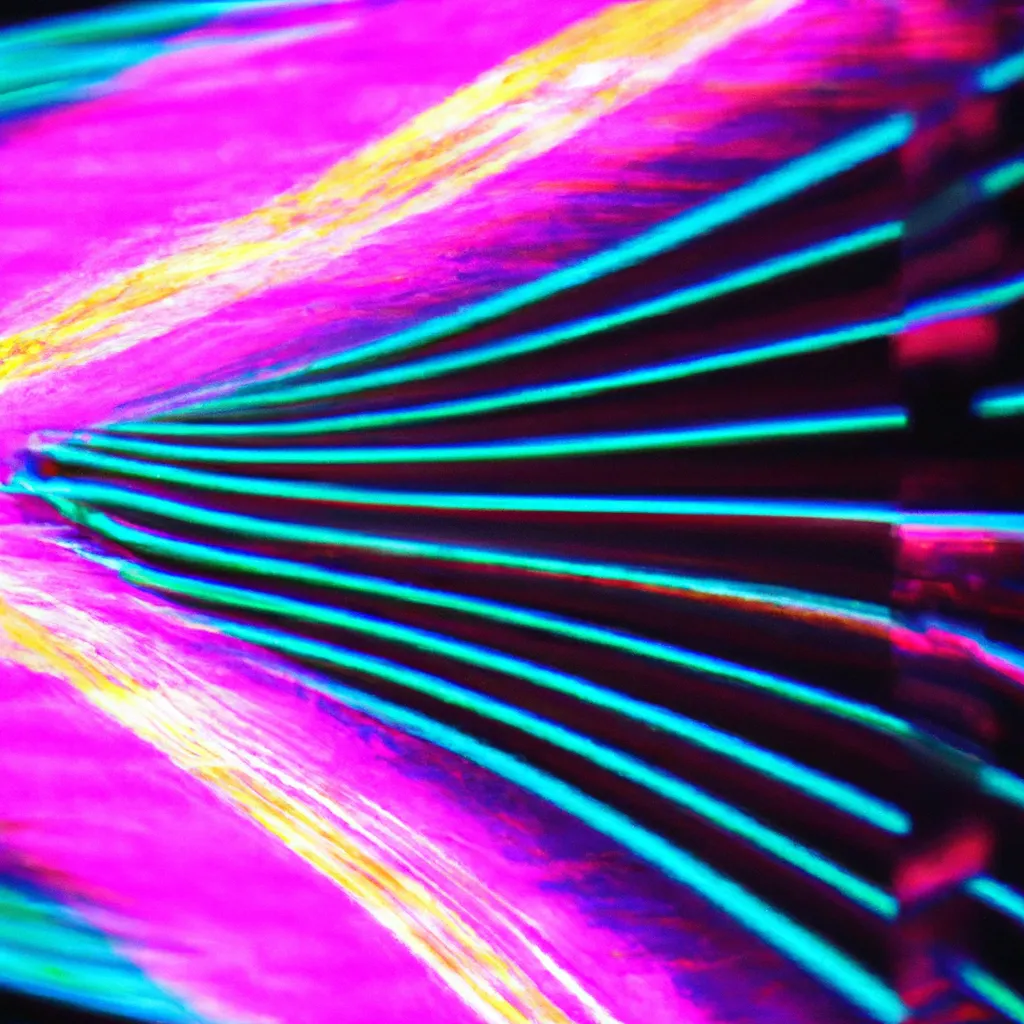
Neon Dreams: Exploring the Cyberpunk Aesthetic
In recent years, the cyberpunk aesthetic has seen a resurgence in popularity, with its futuristic, dystopian themes and neon-drenched visuals captivating audiences across various forms of media. From movies and TV shows to video games and literature, the cyberpunk genre has become synonymous with a gritty, high-tech world where humanity grapples with the consequences of advanced technology and societal decay.
The Origins of Cyberpunk
The term “cyberpunk” was first coined in the early 1980s and was used to describe a new wave of science fiction that blended elements of high technology, punk rock, and counterculture. Influenced by authors such as William Gibson and Philip K. Dick, cyberpunk stories often explore themes of artificial intelligence, virtual reality, corporate greed, and the impact of technology on society.
One of the defining characteristics of cyberpunk is its visual style, which is characterized by neon lights, rain-soaked streets, and a mix of high-tech and low-life elements. The genre’s iconic imagery has inspired artists, filmmakers, and designers to create works that capture the essence of a futuristic world where humans and machines coexist in a precarious balance.
Neon Noir: The Cyberpunk Aesthetic
At the heart of the cyberpunk aesthetic is the concept of “neon noir,” a visual style that combines elements of film noir with futuristic, high-tech settings. Neon lights, reflective surfaces, and dark alleyways are common motifs in cyberpunk art, creating a sense of mystery and intrigue that draws viewers into a world of shadows and secrets.
One of the most famous examples of the cyberpunk aesthetic can be seen in Ridley Scott’s seminal film “Blade Runner,” which features a dystopian Los Angeles filled with towering skyscrapers, flying cars, and neon signs glowing in the darkness. The film’s striking visuals have had a lasting impact on popular culture and have influenced countless artists and filmmakers in the decades since its release.
Cyberpunk in Pop Culture
From movies like “The Matrix” and “Ghost in the Shell” to video games like “Deus Ex” and “Cyberpunk 2077,” the cyberpunk aesthetic has become a mainstay in popular culture, captivating audiences with its blend of high-tech action and thought-provoking themes. In the world of literature, authors like Neal Stephenson and Cory Doctorow have continued to explore the boundaries of the genre, pushing the boundaries of what is possible in a world where technology reigns supreme.
One of the most unique aspects of the cyberpunk aesthetic is its ability to reflect the anxieties and hopes of contemporary society. As technology continues to advance at an unprecedented pace, questions about the implications of artificial intelligence, surveillance, and corporate power have become more relevant than ever. The cyberpunk genre offers a glimpse into a possible future where these issues have come to a head, forcing audiences to confront the consequences of their actions in a world driven by technology.
Conclusion
As we continue to push the boundaries of technology and explore the possibilities of a high-tech future, the cyberpunk aesthetic remains a powerful and evocative genre that challenges our assumptions about the world we live in. With its neon-drenched visuals, gritty urban landscapes, and thought-provoking themes, cyberpunk offers a unique perspective on the intersection of humanity and technology, inviting us to consider the implications of a world where the line between man and machine has become increasingly blurred.
Whether through movies, video games, literature, or art, the cyberpunk aesthetic continues to inspire and captivate audiences around the world, inviting us to imagine a future where the boundaries of reality and imagination have been pushed to their limits. In a world where the only constant is change, cyberpunk remains a beacon of creativity and innovation, challenging us to explore the possibilities of a world where neon dreams become a reality.
