

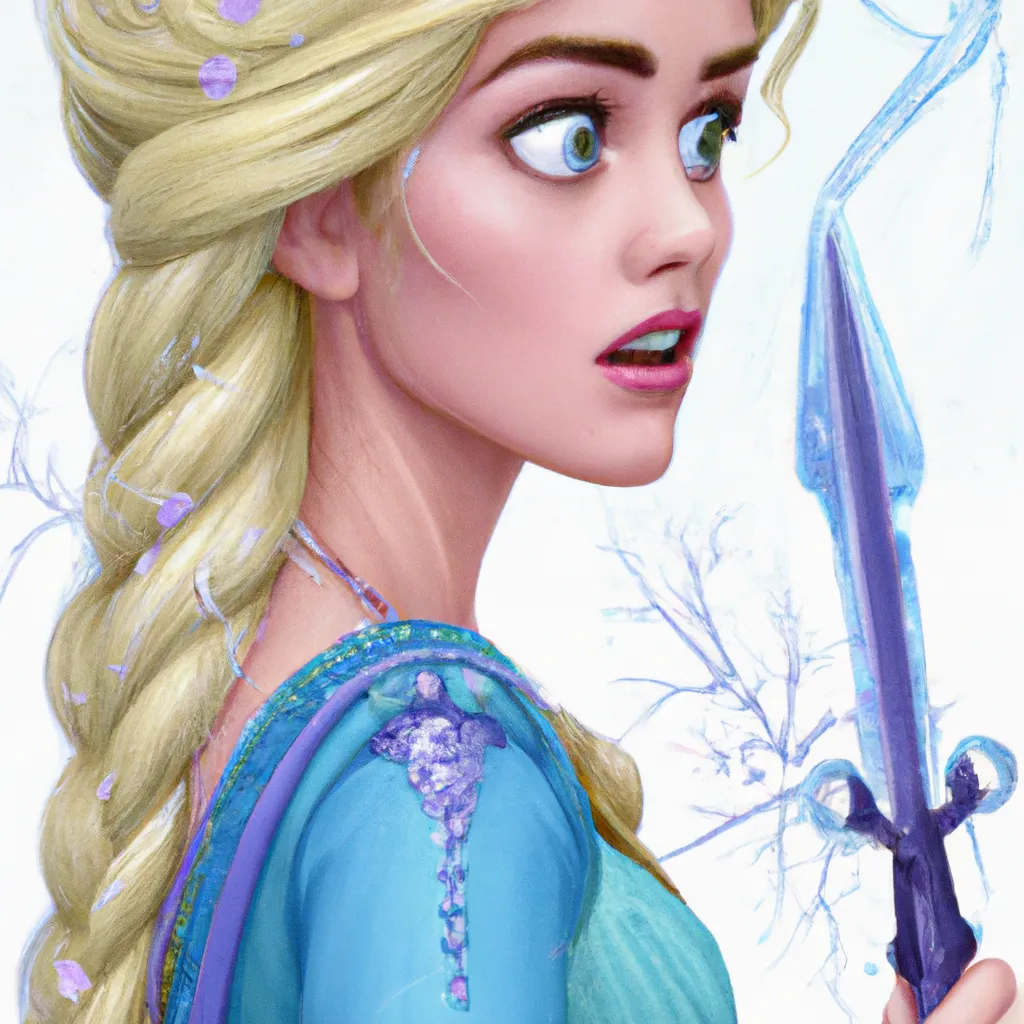
From Page to Screen: Anime Adaptations of Beloved Books
When it comes to adapting beloved books into visual media, anime has proven to be a powerful medium for bringing literary works to life. With its unique art style, vibrant colors, and ability to capture complex emotions, anime has successfully translated many popular novels, manga, and light novels into captivating animated series and films. In this article, we will explore the process of adapting books into anime and take a closer look at some of the most successful adaptations that have captured the hearts of fans worldwide.
The Art of Adaptation
Adapting a book into an anime series or film is a complex process that requires careful consideration of the source material and the medium of animation. One of the key challenges of adaptation is condensing a lengthy novel or manga series into a limited number of episodes or a feature-length film. This often involves streamlining the plot, combining or omitting certain storylines, and focusing on the most essential elements of the narrative.
Another important aspect of adaptation is capturing the essence of the original work while also adding a new layer of visual storytelling. Anime allows creators to bring the world of the book to life in vivid detail, from the characters and settings to the action sequences and emotional moments. By leveraging the power of animation, adaptations can enhance the storytelling experience and provide fans with a fresh perspective on their favorite stories.
Successful Adaptations
There have been numerous successful anime adaptations of beloved books over the years, many of which have become classics in their own right. One example is “Fullmetal Alchemist,” based on the manga series by Hiromu Arakawa. The anime adaptation not only faithfully follows the original story but also expands on the themes of sacrifice, redemption, and the consequences of war. With its engaging plot, well-developed characters, and stunning animation, “Fullmetal Alchemist” has garnered a dedicated fan base and critical acclaim.
Another standout adaptation is “Attack on Titan,” based on the manga by Hajime Isayama. The anime series has captivated audiences with its intense action scenes, intricate world-building, and moral dilemmas. By bringing the Titans to life in all their terrifying glory, “Attack on Titan” has become a global phenomenon and a shining example of how anime can elevate a written work to new heights.
Challenges and Criticisms
While anime adaptations of books have enjoyed widespread popularity, they are not without their challenges and criticisms. One common complaint is the pacing of adaptations, with some fans feeling that important plot points are rushed or omitted in order to fit the constraints of the medium. Additionally, changes to the original story or characterizations can sometimes spark controversy among purists who prefer a more faithful adaptation.
Another challenge is the balancing act of catering to both existing fans of the book and new viewers who may be unfamiliar with the source material. Creators must strike a delicate balance between staying true to the original work and making the adaptation accessible and engaging for a wider audience.
Conclusion
From “Fullmetal Alchemist” to “Attack on Titan,” anime adaptations of beloved books have proven to be a successful and enduring trend in the world of entertainment. By leveraging the unique visual style and storytelling techniques of anime, creators have brought literary works to life in new and exciting ways, captivating audiences around the globe. While challenges and criticisms may arise, the power of adaptation lies in its ability to reimagine familiar stories and introduce them to a new generation of fans. As anime continues to evolve as a medium, we can look forward to more innovative and inspiring adaptations that bridge the gap between page and screen.
