

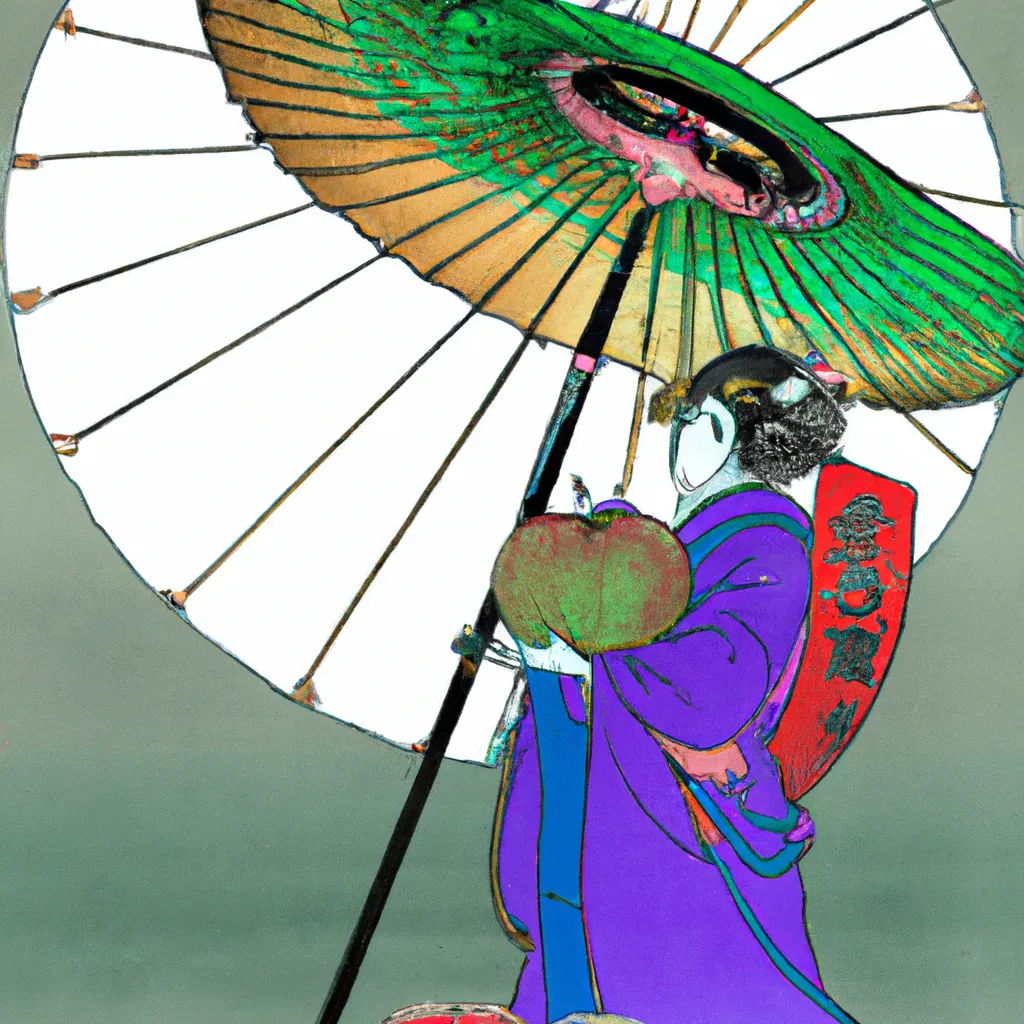
Introduction
Japanese folklore is a rich tapestry of myths, legends, and supernatural beings that have captivated people around the world for centuries. From yokai (traditional Japanese monsters) to kami (Shinto gods), the enchanting world of Japanese folklore is filled with stories that have been passed down through generations. In this article, we will delve into the fascinating realm of Japanese folklore, exploring its origins, key elements, and popular tales that continue to inspire art, literature, and pop culture.
The Origins of Japanese Folklore
Japanese folklore has its roots in the country’s indigenous religion, Shinto, which emphasizes the belief in kami, or divine spirits that inhabit all things in nature. Shinto rituals and ceremonies have played a significant role in shaping Japanese folklore, with many stories revolving around the interactions between humans and supernatural beings.
Over the centuries, Japanese folklore has also been influenced by Buddhism, which was introduced to Japan in the 6th century. Buddhist teachings, along with Chinese and Korean myths, have added layers of complexity to Japanese folklore, creating a diverse and vibrant tapestry of stories.
The Key Elements of Japanese Folklore
One of the most iconic elements of Japanese folklore is the yokai, a category of supernatural creatures that range from mischievous spirits to terrifying monsters. Yokai come in all shapes and sizes, with popular examples including the kappa (water imp), tengu (long-nosed goblin), and yuki-onna (snow woman).
Another important aspect of Japanese folklore is the concept of mura no kuni, or the “land of the village.” This idea represents a mystical realm that exists alongside the human world, populated by spirits, gods, and other supernatural beings. Many Japanese folk tales are set in mura no kuni, where humans often find themselves entangled in otherworldly encounters.
Popular Tales in Japanese Folklore
Japanese folklore is filled with a diverse array of tales that have been passed down through oral tradition for generations. One of the most famous stories is that of Momotaro, the Peach Boy, who was born from a giant peach and went on a quest to defeat ogres threatening his village.
Another well-known tale is that of Urashima Taro, a fisherman who saves a turtle and is rewarded with a trip to the Dragon Palace under the sea. Time passes differently in the palace, and when Urashima returns to the surface, he discovers that centuries have gone by.
One of the most popular yokai in Japanese folklore is the kitsune, a shape-shifting fox spirit known for its cunning and magical abilities. Kitsune are often depicted as tricksters who play pranks on humans, but they can also be benevolent guardians and messengers of the gods.
The Influence of Japanese Folklore on Art and Pop Culture
Japanese folklore has had a profound impact on art, literature, and pop culture both in Japan and around the world. Traditional motifs and themes from Japanese folklore can be found in various forms of media, from anime and manga to video games and films.
One of the most iconic examples of Japanese folklore in pop culture is the yokai phenomenon, which has inspired countless works of art and entertainment. From the popular video game series Yokai Watch to the award-winning animated film Spirited Away, yokai continue to capture the imagination of audiences worldwide.
Japanese folklore has also influenced the fashion industry, with designers drawing inspiration from traditional yokai and kami to create unique and innovative designs. The blending of ancient myths with modern aesthetics has created a new wave of fashion that celebrates Japan’s rich cultural heritage.
Conclusion
Japanese folklore is a treasure trove of myths, legends, and supernatural beings that have captivated people for centuries. From yokai and kami to tales of adventure and romance, the enchanting world of Japanese folklore continues to inspire artists, writers, and creators around the world. By exploring the rich tapestry of Japanese folklore, we gain a deeper appreciation for the cultural heritage and timeless stories that have shaped Japan’s identity.
For more articles on related topics, check out these posts on our blog:
Immerse Yourself: Exploring the World of Interactive Animes
Unlocking the Spiritual Realm: Exploring Anime and Transcendence
Unveiling the Fascinating World of Anime: A Guide for Beginners
Unforgettable Anime Classics: A Journey Through Time
Uncovering the Fascinating Historical Curiosities
