

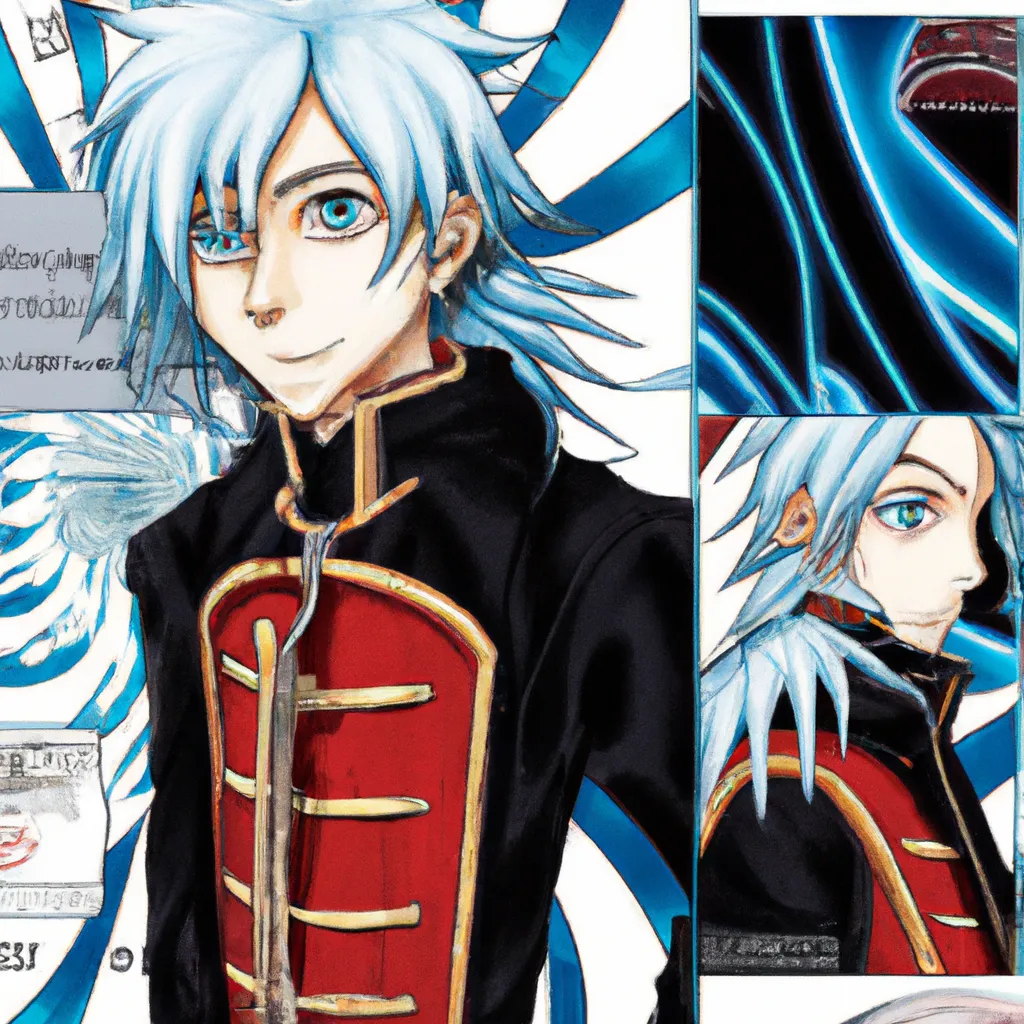
Battle of the Arts: Anime vs Manga
When it comes to the world of Japanese entertainment, two art forms stand out as fan favorites: anime and manga. Both anime (animated TV shows and movies) and manga (comic books) have gained immense popularity not only in Japan but also around the globe. While they share similarities, such as their visual style and storytelling techniques, there are also distinct differences between the two mediums that set them apart. In this article, we will delve into the Battle of the Arts: Anime vs Manga, exploring the unique characteristics of each and discussing their impact on popular culture.
Introduction to Anime and Manga
Anime and manga are deeply ingrained in Japanese culture and have a rich history that dates back decades. Anime, short for animation, refers to animated TV shows and movies that cover a wide range of genres, from action and adventure to romance and fantasy. On the other hand, manga are Japanese comic books or graphic novels that are read from right to left, following the traditional Japanese writing style. Both anime and manga feature vibrant artwork, complex characters, and compelling storylines that captivate audiences of all ages.
Key Differences Between Anime and Manga
While anime and manga share many similarities, there are key differences that set them apart. One of the main distinctions is the format in which they are presented. Anime is a visual medium that brings characters and stories to life through animation, voice acting, and sound effects. In contrast, manga relies solely on static images and dialogue, allowing readers to immerse themselves in the story at their own pace.
Another difference between anime and manga lies in their production process. Anime involves a team of animators, voice actors, and directors working together to create a seamless viewing experience. Manga, on the other hand, is usually created by a single mangaka (manga artist) who writes and illustrates the story, giving them full creative control over the final product.
Themes and Genres in Anime and Manga
Both anime and manga cover a wide range of themes and genres, catering to diverse audiences with varying interests. From action-packed shonen (boys’) series like “Naruto” and “Dragon Ball Z” to heartwarming shojo (girls’) titles like “Sailor Moon” and “Fruits Basket,” there is something for everyone in the world of anime and manga.
Moreover, both mediums explore complex themes such as friendship, love, betrayal, and self-discovery, resonating with viewers and readers on a deeper emotional level. Whether it’s a coming-of-age story set in a high school or an epic fantasy adventure in a magical realm, anime and manga have the power to transport audiences to new worlds and ignite their imagination.
Impact on Popular Culture
Over the years, anime and manga have become a global phenomenon, influencing popular culture in profound ways. From cosplay conventions and fan art to merchandise and video games, the influence of anime and manga can be seen in all corners of the entertainment industry.
Moreover, anime and manga have also inspired countless adaptations, including live-action films, TV shows, and even stage plays. Titles like “Death Note,” “Attack on Titan,” and “My Hero Academia” have garnered international acclaim and introduced new audiences to the world of Japanese animation and storytelling.
Conclusion
In conclusion, the Battle of the Arts: Anime vs Manga showcases the unique strengths of both mediums and highlights their enduring appeal to audiences worldwide. Whether you prefer the visual spectacle of anime or the immersive storytelling of manga, there is no denying the impact that these art forms have had on popular culture and the entertainment industry as a whole. As we continue to explore the magical worlds of anime and manga, we can look forward to new adventures, unforgettable characters, and timeless stories that will captivate us for generations to come.
