

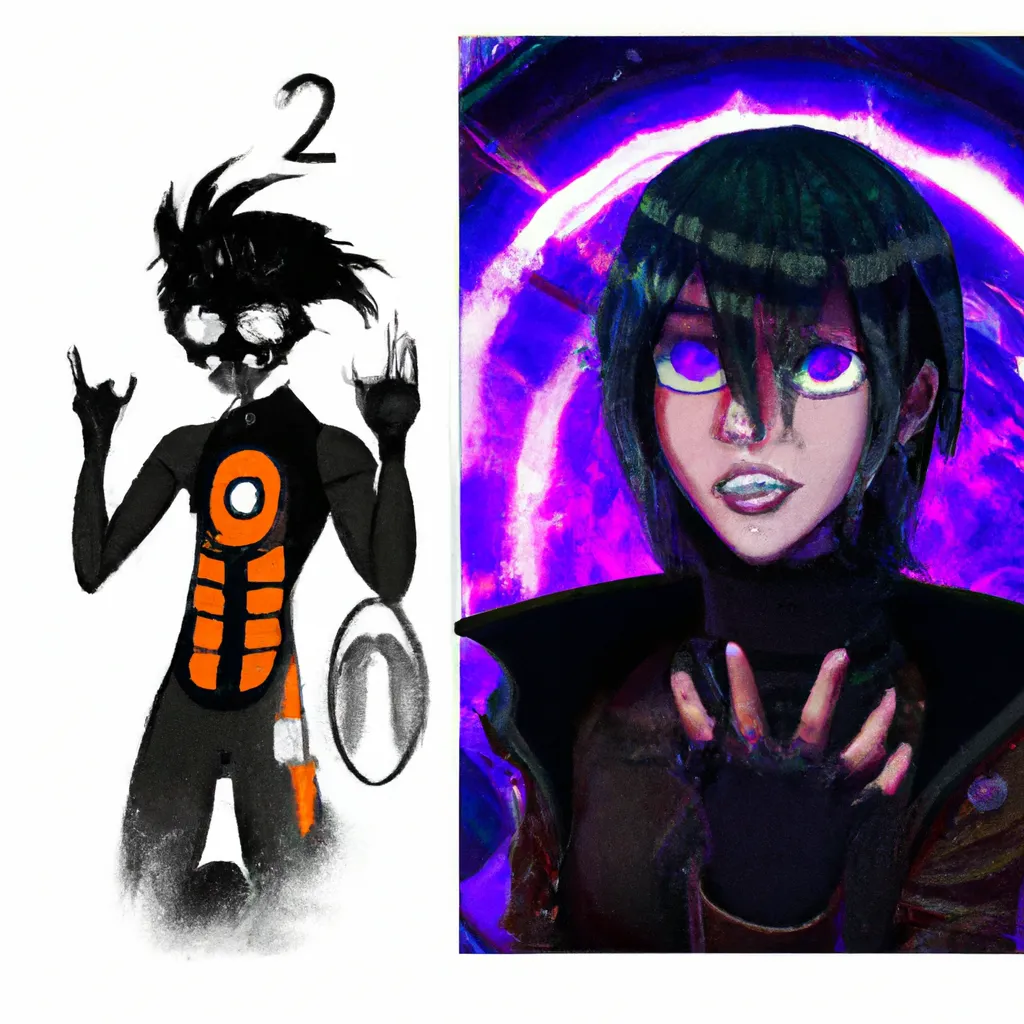
Battle of the Ages: Anime vs Manga
When it comes to the world of Japanese entertainment, two mediums stand out as fan favorites: anime and manga. These two forms of storytelling have captivated audiences around the globe with their unique art styles, compelling narratives, and diverse genres. While both anime and manga share similarities, they also have distinct characteristics that set them apart. In this article, we will delve into the battle of the ages between anime and manga, exploring their differences, similarities, and the preferences of fans.
The Origins of Anime and Manga
Before we dive into the debate between anime and manga, let’s first understand their origins. Manga, which translates to “whimsical pictures,” refers to Japanese comic books and graphic novels. Manga has a long history in Japan, dating back to the 12th century when illustrated scrolls were used to depict stories. Over the centuries, manga evolved into the popular form of entertainment we know today, with a wide range of genres catering to different age groups and interests.
On the other hand, anime, which is short for animation, refers to Japanese animated TV shows and films. The roots of anime can be traced back to the early 20th century, with the first animated short films produced in Japan. Since then, anime has grown into a global phenomenon, with a dedicated fan base and a wide array of genres, from action and adventure to romance and fantasy.
Art Style and Presentation
One of the key differences between anime and manga lies in their art styles and presentation. Manga is typically black and white, with detailed illustrations that allow readers to immerse themselves in the story. Manga artists, known as mangaka, use intricate linework and shading to bring their characters and worlds to life on the page.
On the other hand, anime features vibrant colors, fluid animation, and dynamic camera angles that enhance the viewing experience. Anime studios employ talented animators, background artists, and directors to create visually stunning scenes that captivate audiences. While manga relies on static images to convey the story, anime utilizes movement and sound to engage viewers on a different level.
Adaptations and Fidelity to Source Material
Another point of contention between anime and manga is the issue of adaptations and fidelity to the source material. Many popular anime series are based on manga, with studios adapting the original story into a animated format. While some anime faithfully follow the manga storyline, others take creative liberties, introducing new plot points or diverging from the source material.
Fans often debate whether the anime adaptation does justice to the manga, with some preferring the original manga for its detailed artwork and pacing. However, anime has the advantage of bringing the story to life through animation, voice acting, and music, adding a new dimension to the narrative that may not be present in the manga.
Accessibility and Reach
When it comes to accessibility and reach, both anime and manga have their strengths. Manga is widely available in print and digital formats, making it easy for readers to enjoy their favorite series anytime, anywhere. With the rise of digital platforms and online manga readers, fans can access a vast library of manga titles with just a few clicks.
On the other hand, anime is more accessible through streaming services and TV networks, allowing fans to watch the latest episodes and films in real-time. Anime has a broader reach than manga, with dubbed and subbed versions available in multiple languages to cater to a global audience. Additionally, anime conventions and events provide fans with opportunities to engage with the medium in a communal setting.
Preference and Fan Culture
Ultimately, the battle of the ages between anime and manga comes down to personal preference and fan culture. Some fans prefer the immersive experience of reading manga, savoring each panel and page at their own pace. Others enjoy the dynamic visuals and soundtracks of anime, immersing themselves in the world of their favorite series through animation and voice acting.
Fan culture plays a significant role in the popularity of both anime and manga, with fan communities organizing events, discussions, and fan art contests to celebrate their favorite series. Cosplay, fan fiction, and fan theories abound in the world of anime and manga, creating a vibrant and engaging community of enthusiasts.
Conclusion
In conclusion, the battle of the ages between anime and manga is a timeless debate that continues to captivate fans around the world. While both mediums have their strengths and weaknesses, they share a common goal of entertaining and inspiring audiences with compelling stories and captivating visuals. Whether you prefer the detailed artwork of manga or the dynamic animation of anime, there is no denying the impact that both mediums have had on popular culture and entertainment.
What are your thoughts on the battle of the ages between anime and manga? Which medium do you prefer, and why? Share your opinions in the comments below!
