

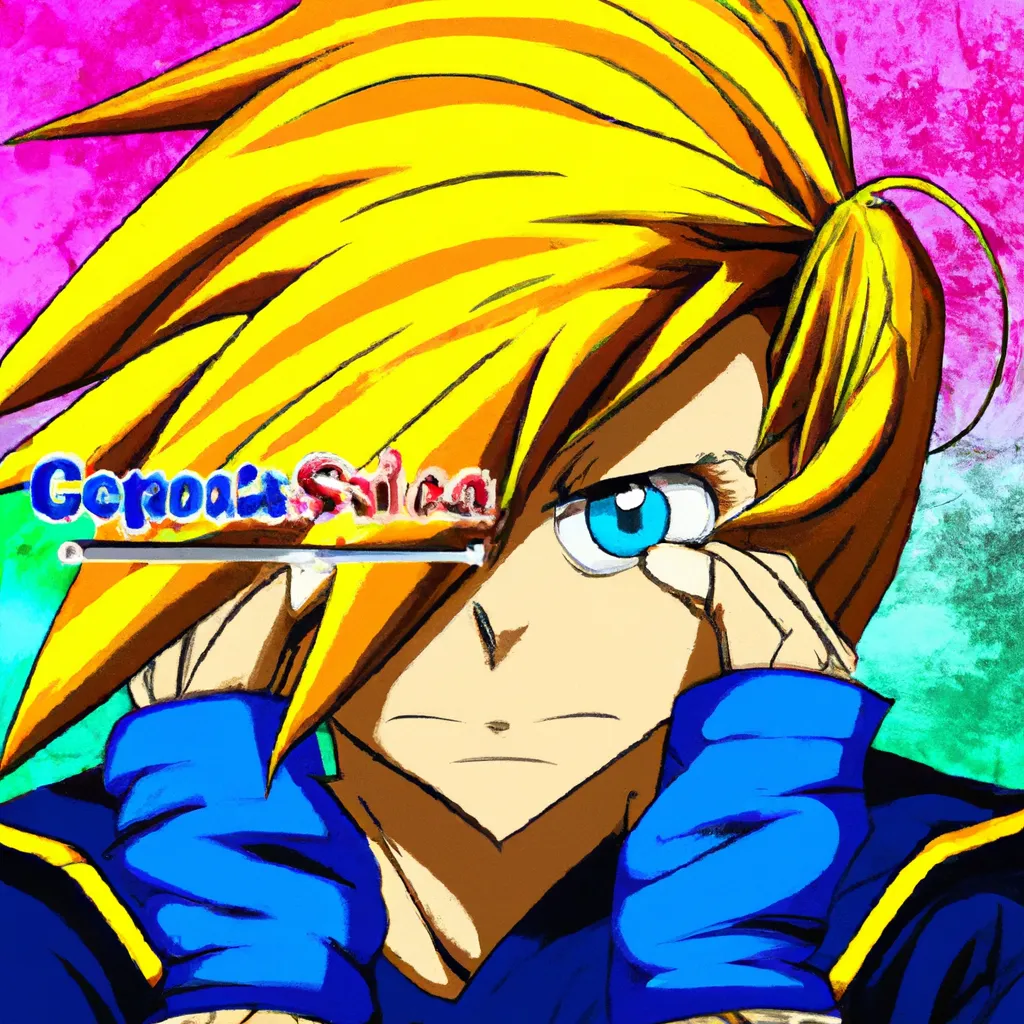
Anime vs Manga: The Ultimate Showdown
Introduction:
Anime and manga are two popular forms of entertainment that have captivated audiences around the world. While both share similarities in terms of storytelling and art style, there are key differences that set them apart. In this article, we will delve into the ultimate showdown between anime and manga, exploring their origins, characteristics, and impact on popular culture.
Origins of Anime and Manga:
Anime and manga both originated in Japan, with manga being the older of the two. Manga, which translates to “whimsical drawings,” dates back to the 12th century, with the earliest known examples being picture scrolls depicting humorous scenes. Over the centuries, manga evolved into a diverse medium encompassing various genres and styles.
On the other hand, anime, which is the Japanese term for animation, emerged in the early 20th century with the release of short films such as “Namakura Gatana” in 1917. The medium gained popularity in the post-World War II era, with iconic titles like “Astro Boy” and “Speed Racer” paving the way for the anime industry’s growth.
Characteristics of Anime and Manga:
One of the key differences between anime and manga is their presentation. Manga is a form of comic book or graphic novel that is typically black and white, with detailed artwork and panel layouts. Readers can immerse themselves in the story at their own pace, savoring the intricacies of the artwork and dialogue.
Anime, on the other hand, brings manga to life through animated visuals, voice acting, and sound effects. It adds a new dimension to the storytelling, allowing viewers to experience the characters and worlds in a dynamic way. Anime often adapts manga series, bringing them to a wider audience and introducing new fans to the source material.
Another difference lies in the pacing and length of anime and manga. Manga series can span hundreds of chapters, allowing for in-depth character development and plot twists. In contrast, anime episodes are typically limited to a certain runtime, leading to adaptations that may differ from the original manga due to time constraints.
Impact on Popular Culture:
Both anime and manga have had a significant impact on popular culture, influencing art, fashion, and entertainment worldwide. Anime conventions draw thousands of fans eager to celebrate their favorite series, cosplay as characters, and purchase merchandise. Manga sales continue to thrive, with diverse genres attracting readers of all ages.
The rise of streaming platforms has made anime more accessible than ever, allowing fans to binge-watch their favorite series anytime, anywhere. Manga publishers have also embraced digital platforms, offering readers the convenience of reading on smartphones and tablets.
In recent years, anime and manga have inspired Hollywood adaptations, further cementing their place in mainstream entertainment. From live-action films like “Ghost in the Shell” to animated hits like “Your Name,” Japanese storytelling continues to captivate global audiences.
The Future of Anime and Manga:
As anime and manga continue to evolve, fans can look forward to new innovations and storytelling techniques. Virtual reality experiences, interactive apps, and augmented reality games are just some of the ways creators are expanding the boundaries of the medium.
With the growing popularity of webtoons and online manga platforms, creators have more opportunities to reach diverse audiences and experiment with new ideas. Collaborations between anime studios and manga artists are also on the rise, leading to unique adaptations and spin-offs that delight fans.
In conclusion, the ultimate showdown between anime and manga is a testament to the enduring appeal of Japanese storytelling. Whether you prefer the immersive experience of manga or the visual spectacle of anime, both mediums offer a rich tapestry of stories, characters, and worlds to explore. As fans continue to debate the merits of anime vs manga, one thing is certain – the legacy of these art forms will continue to inspire and entertain for generations to come.
