

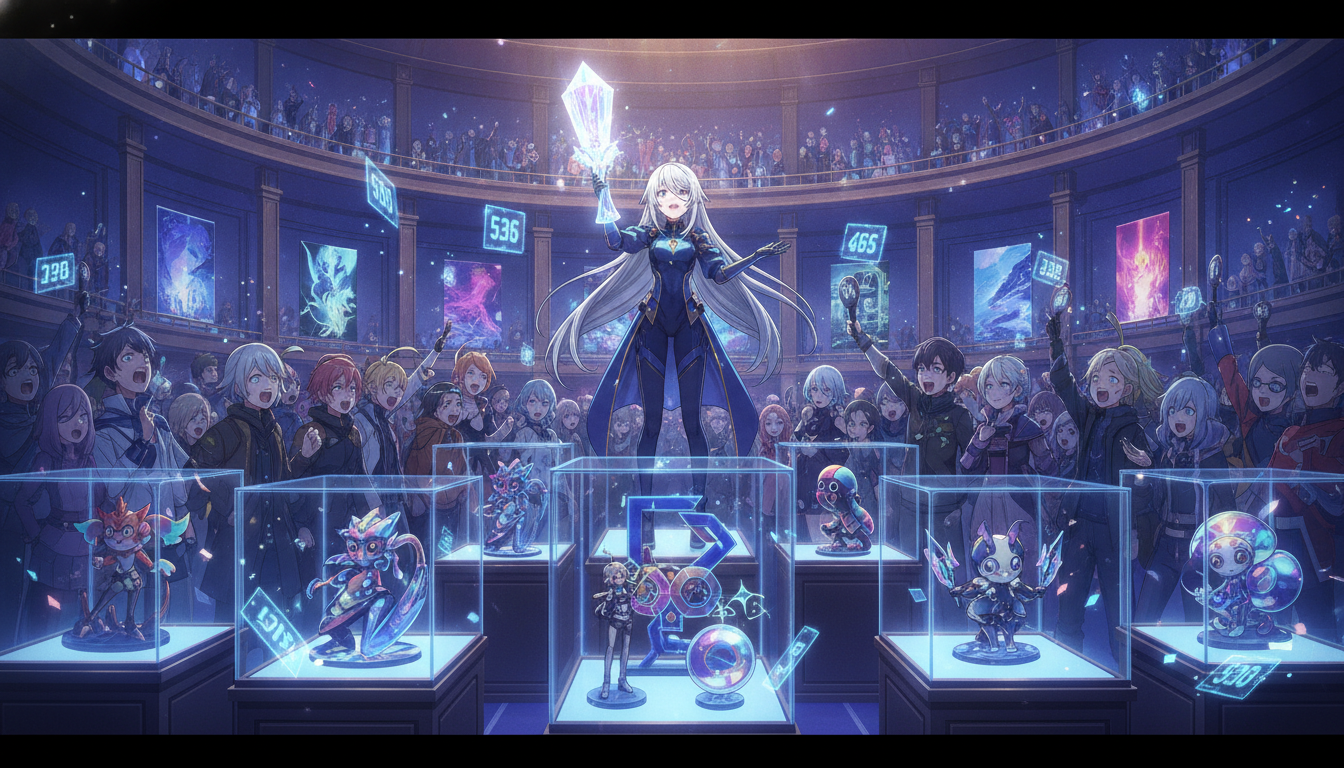
Imagine paying more for a small plastic figure than you would for a brand-new car. Sounds absurd, right? Yet in 2025, a rare, mint-condition Boba Fett action figure sold for over $1 million at auction — and the anime collectibles market has been staging its own jaw-dropping price records right alongside it. From limited-edition figures standing no taller than your hand to original animation cels that once flickered across a cathode-ray tube television screen, anime merchandise has quietly evolved from bedroom shelf filler into serious investment territory. Collectors, investors, and passionate fans are all chasing the same items — and that competition is driving prices into the stratosphere.
The shift didn’t happen overnight. For decades, anime merchandise was treated as niche hobby material: affordable, abundant, and largely ignored by mainstream culture. Then something remarkable occurred. Streaming platforms beamed anime into every corner of the globe, Gen Z grew up treating Dragon Ball, Naruto, and One Piece as foundational mythology, and a new generation of high-earning millennials started pouring nostalgia-driven dollars into the things they loved as kids. Suddenly, that old Sailor Moon doll your aunt threw away in 1998 became a tragedy of historic proportions. The collectibles market noticed, the auction houses noticed, and now everybody is paying attention — including people who have never watched a single episode in their lives.
What makes this moment genuinely fascinating — and a little wild — is that the anime collectible boom is not just a nostalgia bubble. It sits at the intersection of art, cultural identity, scarcity economics, and global fandom in a way no previous collectibles craze quite managed. To understand why prices keep climbing, you need to understand the forces stacking up behind every single bid.
The Global Anime Explosion That Changed Everything
The numbers behind anime’s mainstream rise are hard to ignore. Global anime industry revenue has grown dramatically over the past decade, fueled by the explosion of streaming platforms hungry for content and audiences hungry for something new. Demon Slayer: Kimetsu no Yaiba, Attack on Titan, and Jujutsu Kaisen became genuine worldwide phenomena — not just in Japan or among dedicated fans, but in living rooms and dormitories and coffee shops everywhere.
This cultural reach matters enormously for collectibles. The larger and more passionate a franchise’s fanbase, the more people are competing for the same limited physical items. When a series like One Piece — which has been running since 1997 and boasts one of the largest and most devoted fanbases in fiction — releases a high-end figure, the demand is not regional. It is planetary. That global competition for scarcity is one of the most powerful engines driving prices upward.
If you want to understand how Japan’s legendary commitment to craftsmanship and precision bleeds into its collectibles culture, it helps to know the same national mindset that made its trains famously never late also produces figures painted with sub-millimeter accuracy by artisans who treat a 1/8 scale statue like a museum piece.
Original Animation Cels: The Old Masters of Anime Art
Before digital animation took over in the late 1990s and early 2000s, every frame of every anime was hand-drawn on transparent celluloid sheets called cels. These physical objects were used once during production and then, depending on the studio’s archiving practices, either stored, given away, sold cheaply at events, or simply discarded. That historical carelessness created extraordinary scarcity.
Today, an original cel from Neon Genesis Evangelion, Dragon Ball Z, or Sailor Moon is not just a piece of merchandise — it is a unique, irreproducible artifact of animation history. Auction results have reflected this reality decisively. Rare cels from beloved series regularly sell for tens of thousands of dollars, and exceptional pieces featuring iconic characters at pivotal moments have crossed well into six figures.
The appeal is easy to understand: owning a cel is owning a literal frame of the story. There is no other copy of that specific painted moment in the entire world. For collectors with the means to pursue them, that uniqueness commands a premium no modern mass-produced figure can match.
The Figure Market: From Mass Production to High Art
Not all anime figures are created equal — and the gap between a $15 prize figure won from a Japanese crane machine and a $2,000 limited-edition resin statue from a prestige manufacturer is vast. Companies like Good Smile Company, Kotobukiya, and Max Factory have spent years pushing sculptural quality to extraordinary levels, transforming figures into display pieces that rival traditional fine art in their craftsmanship.
The market has developed clear tiers that collectors track obsessively:
- Prize figures — mass-produced, widely available, low cost
- Scale figures (typically 1/7 or 1/8 scale) — higher detail, moderate print runs, retail between $80–$400
- Limited-edition exclusives — sold only through specific events or lottery systems, often by renowned sculptors
- One-of-a-kind prototypes or artist proofs — essentially unique objects that exist at the boundary of figure and fine art
- Vintage figures from the 1980s–90s — scarce by default, with condition determining everything
It is in that upper tier where prices detach from logic and attach to desire. A limited run figure from a beloved series, especially one connected to a cultural milestone like the finale of Attack on Titan or a major One Piece arc, can triple its retail price on the secondary market within weeks of release.
Why Nostalgia Economics Hit Anime Especially Hard
Collectibles markets have always been powered by nostalgia, but anime occupies a uniquely intense emotional space for the generations who grew up with it. Understanding the psychology here is important. For many millennials and older Gen Z fans, anime was not just entertainment — it was a secret formula for a global obsession that shaped their values, friendships, and sense of identity in ways Western cartoons rarely did.
When those fans reached their late twenties and thirties with disposable income, the collectibles market was waiting for them. The emotional intensity of the fandom translated directly into spending intensity. Owning a perfect figure of a character who meant something profound to you at age twelve is not simply consumption — it feels like preservation of something important.
This is why intellectual property with long histories and deep emotional roots — Dragon Ball, Gundam, Evangelion, Sailor Moon — consistently produce the highest auction values. The older the fans, the more time they have had to accumulate both income and yearning.
The Investment Angle: Anime Collectibles as Alternative Assets
Something relatively new has entered the space: buyers who are not fans at all. Driven by the visible appreciation curves of anime collectibles — particularly sealed, mint-condition vintage items — a segment of the broader alternative investment market has identified anime merchandise as a viable asset class alongside trading cards, rare sneakers, and vintage wine.
Grading services, already established in the trading card world, have expanded into anime figures and merchandise. A professionally graded, sealed vintage item now comes with documentation that makes it legible to investors who care about condition certification rather than character backstory. This professionalization of the market has, in turn, attracted more capital and pushed prices higher still — a self-reinforcing cycle familiar from the sports card boom of the early 2020s.
What This Means for Regular Fans
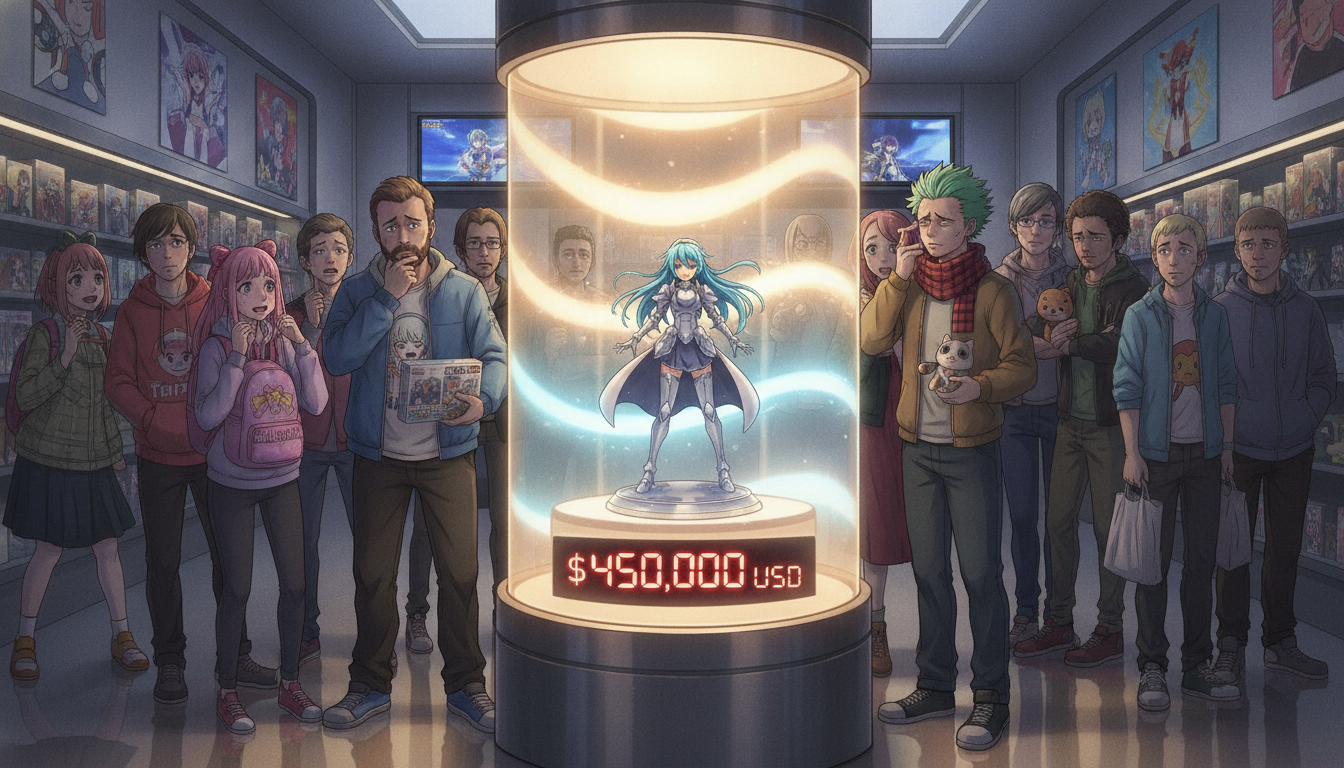
Here is the bittersweet reality: the same forces making anime collectibles a legitimate investment class are making it harder for everyday fans to afford the things they love. Limited-edition releases sell out in minutes. Secondary market prices on desirable figures can feel predatory. The crane-machine prize figure is starting to feel like the only affordable on-ramp.
Still, the boom has an upside for fans: it has pushed manufacturers to invest more seriously in quality, generated mainstream cultural recognition for anime as a serious artistic tradition, and created a secondary market rich enough to surface rare vintage pieces that would otherwise rust in storage forever.
The anime collectibles market in 2026 is not a passing fad — it is the mature expression of a global culture that spent thirty years building passionate, knowledgeable, and now financially capable fanbases. Whether you are a collector chasing a grail piece, a curious investor reading auction results, or a newcomer wondering why anyone pays four figures for a painted resin statue, the answer is the same: because the stories, the characters, and the art matter deeply to millions of people worldwide — and meaningful things have always commanded meaningful prices.
